Where Rope Access Is Used in Aberdeen

Aberdeen’s rope access market splits into two distinct sectors — offshore and onshore — and the city is a major hub for both.
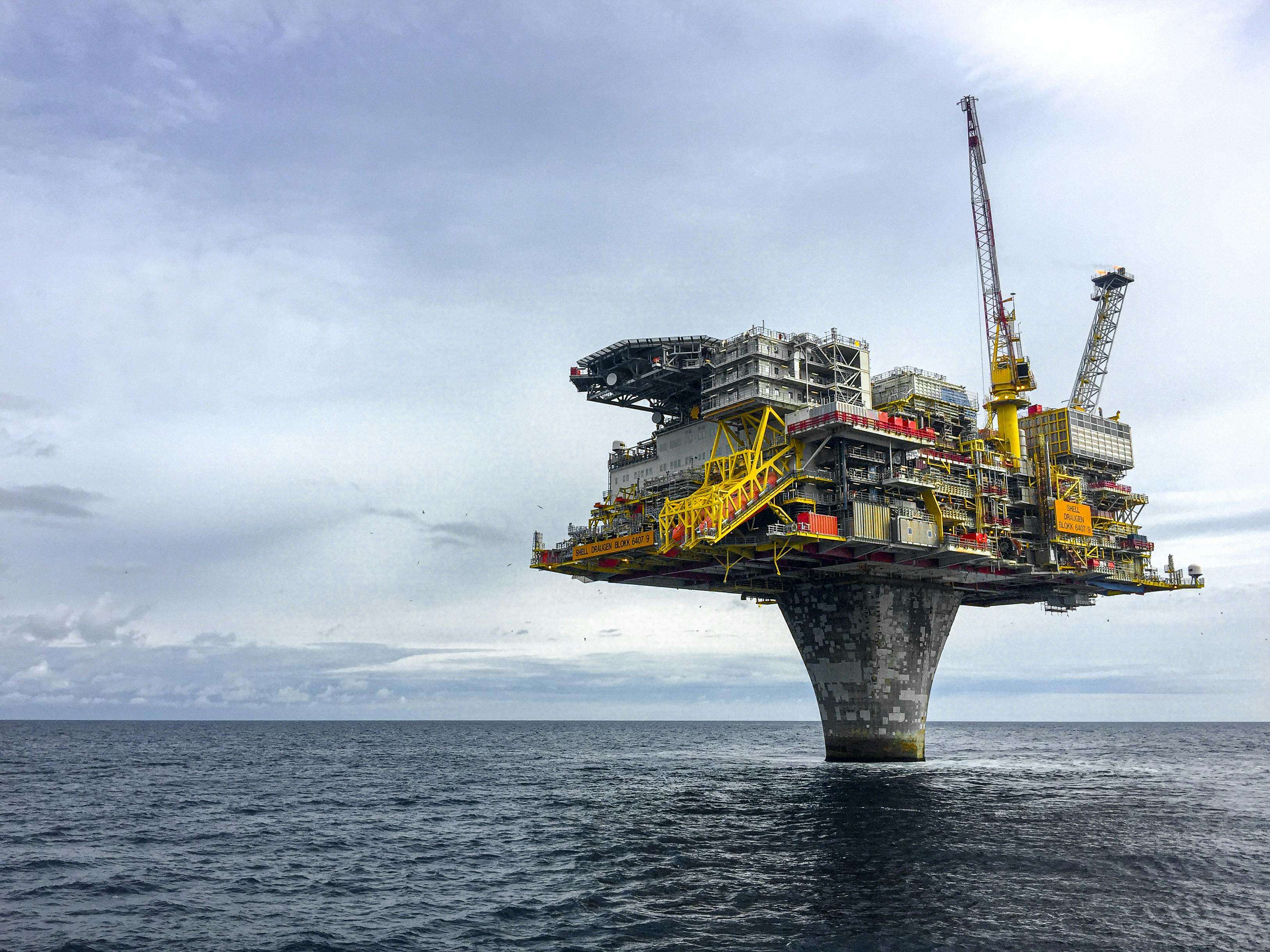
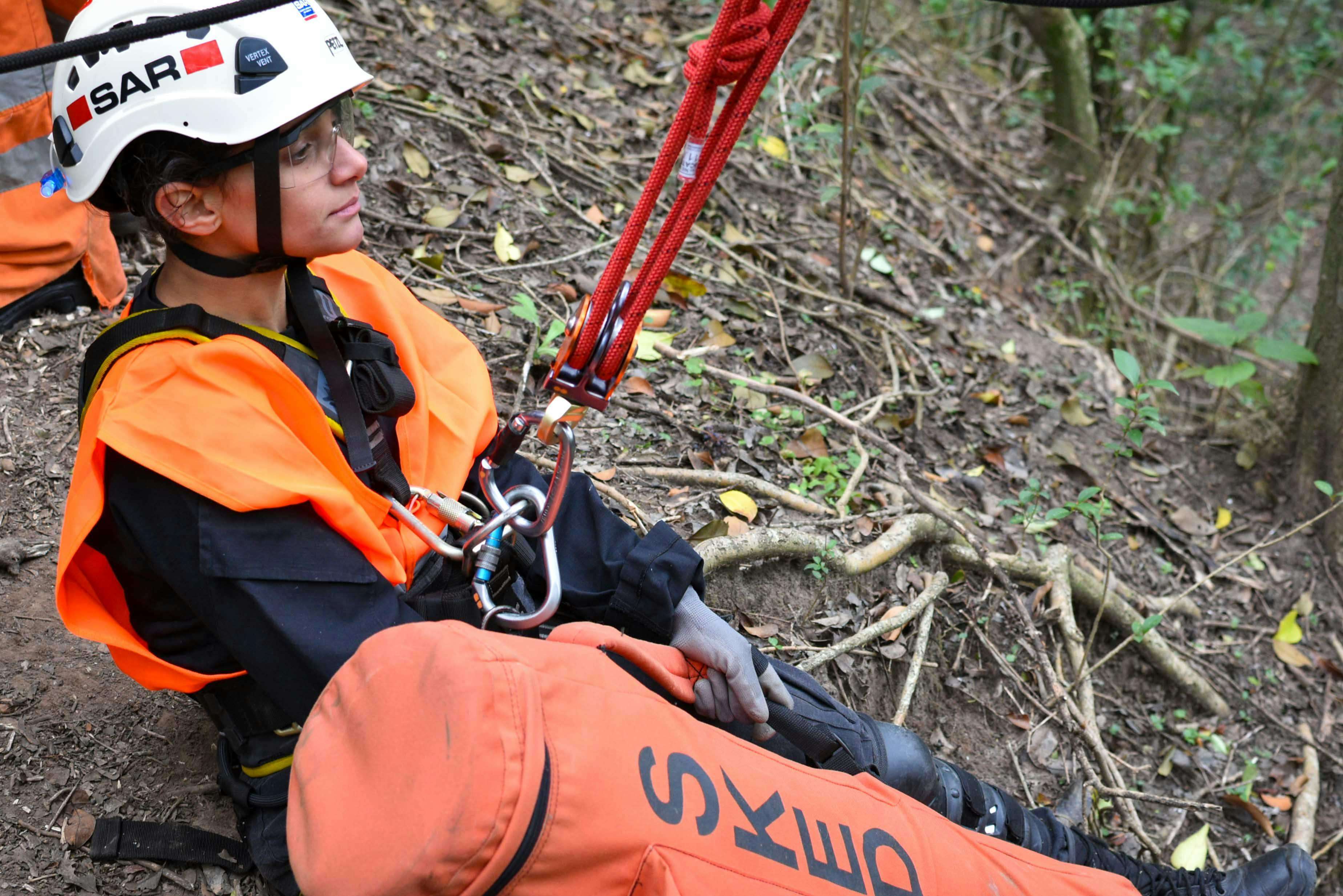
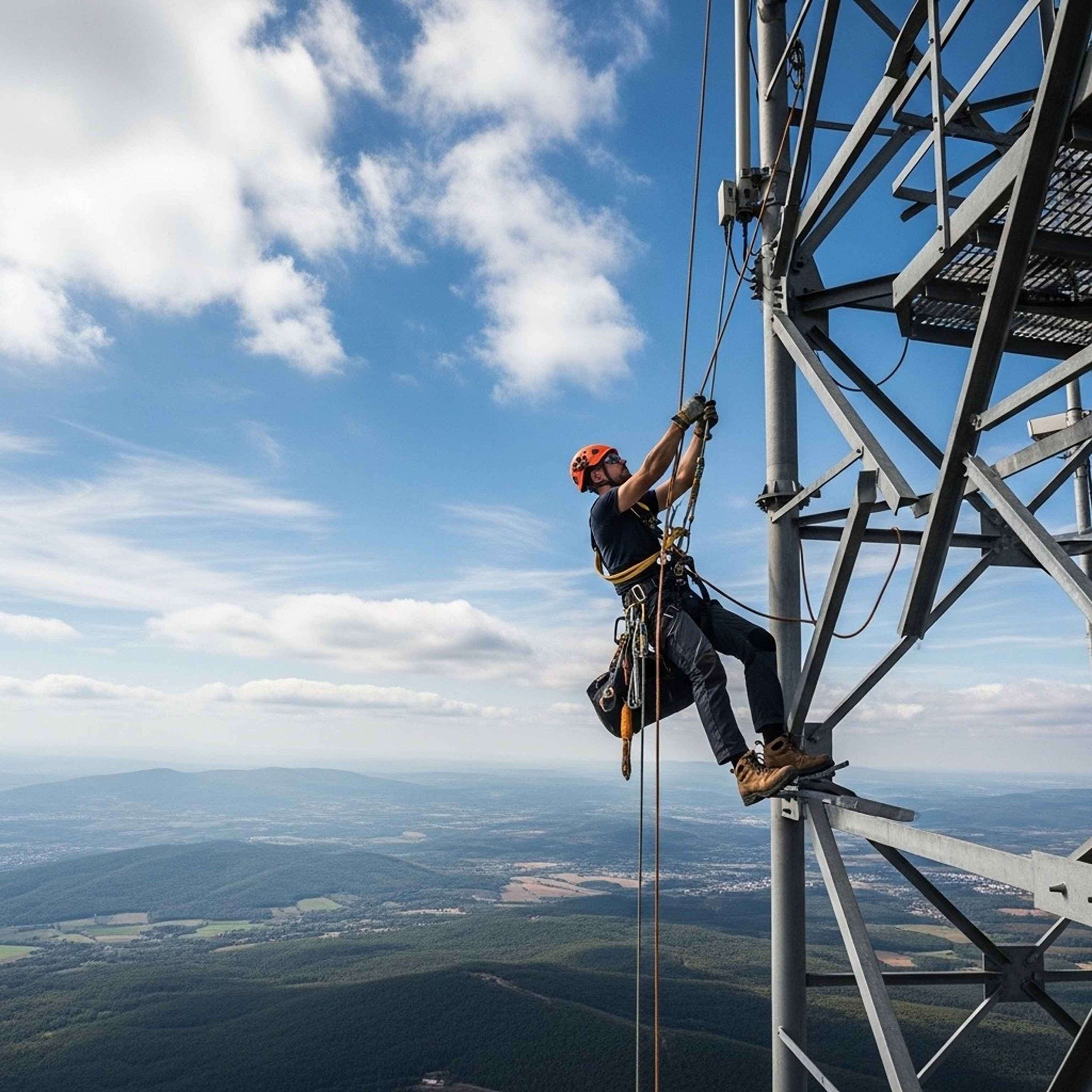
Offshore platforms and FPSOs. The North Sea oil and gas fields are serviced almost exclusively from Aberdeen. Rope access is the primary method for inspection, maintenance and repair (IMR) work on fixed platforms, floating production storage and offloading vessels (FPSOs) and jack-up rigs. Typical work scopes include structural steel inspection, leg and node surveys, flare tip replacement, crane inspections, living quarter maintenance and helideck repairs. Most offshore rope access contracts require IRATA Level 2 or 3 technicians with additional GWO, BOSIET/FOET and MIST survival certifications.
Decommissioning. As older North Sea fields reach end-of-life, Aberdeen has become the UK’s decommissioning hub. Rope access teams carry out pre-decommissioning surveys, asbestos identification, cutting and dismantling preparation, and vessel entry work. This market is growing year on year.
Onshore industrial. Aberdeen’s industrial estates and harbour infrastructure require rope access for tank inspection, silo maintenance, structural steelwork painting and warehouse roofing work. The harbour expansion at Nigg Bay is generating additional demand for marine infrastructure access.
Granite heritage buildings. Aberdeen is the “Granite City” — its distinctive grey granite buildings require specialist maintenance. Granite is extremely hard-wearing but mortar joints deteriorate, rainwater goods fail and decorative elements can become loose. Rope access is the most cost-effective way to inspect and repair granite facades, particularly on Union Street’s commercial properties and the West End’s residential terraces.
Commercial property. The city centre has seen a wave of office refurbishment as the energy sector adapts. Curtain wall cleaning, glazing replacement, building condition surveys and signage work on commercial towers are all carried out by rope access.
Rope Access vs Scaffolding in Aberdeen
Aberdeen’s geography and weather create specific conditions that favour rope access:
Weather windows. North Sea weather is unpredictable and scaffold erection can be delayed for days by high winds. Rope access teams can mobilise faster and work in a wider range of conditions — they only need a weather window for the work itself, not for a multi-day scaffold build.
Granite buildings. Scaffold fixings into granite require specialist drilling and can damage historic masonry. Rope access avoids the need for any fixings to the building fabric — critical on Aberdeen’s conservation area buildings along Union Street, Crown Street and the Rosemount area.
Harbour and marine access. Much of Aberdeen’s industrial access work is on structures where scaffold simply is not practical — dock walls, harbour cranes, vessel hulls and offshore supply vessel superstructures. Rope access is often the only viable method.
Cost on short-duration work. Aberdeen’s commercial property managers frequently need reactive repairs — a leaking window seal, a loose coping stone, a failed gutter joint. For a single-day repair, scaffold hire, erection and dismantle costs are disproportionate. A rope access team can be on-site and working within hours.
Common Rope Access Projects in Aberdeen
- NDT (non-destructive testing) — ultrasonic thickness testing, MPI and visual inspection on offshore and onshore structures
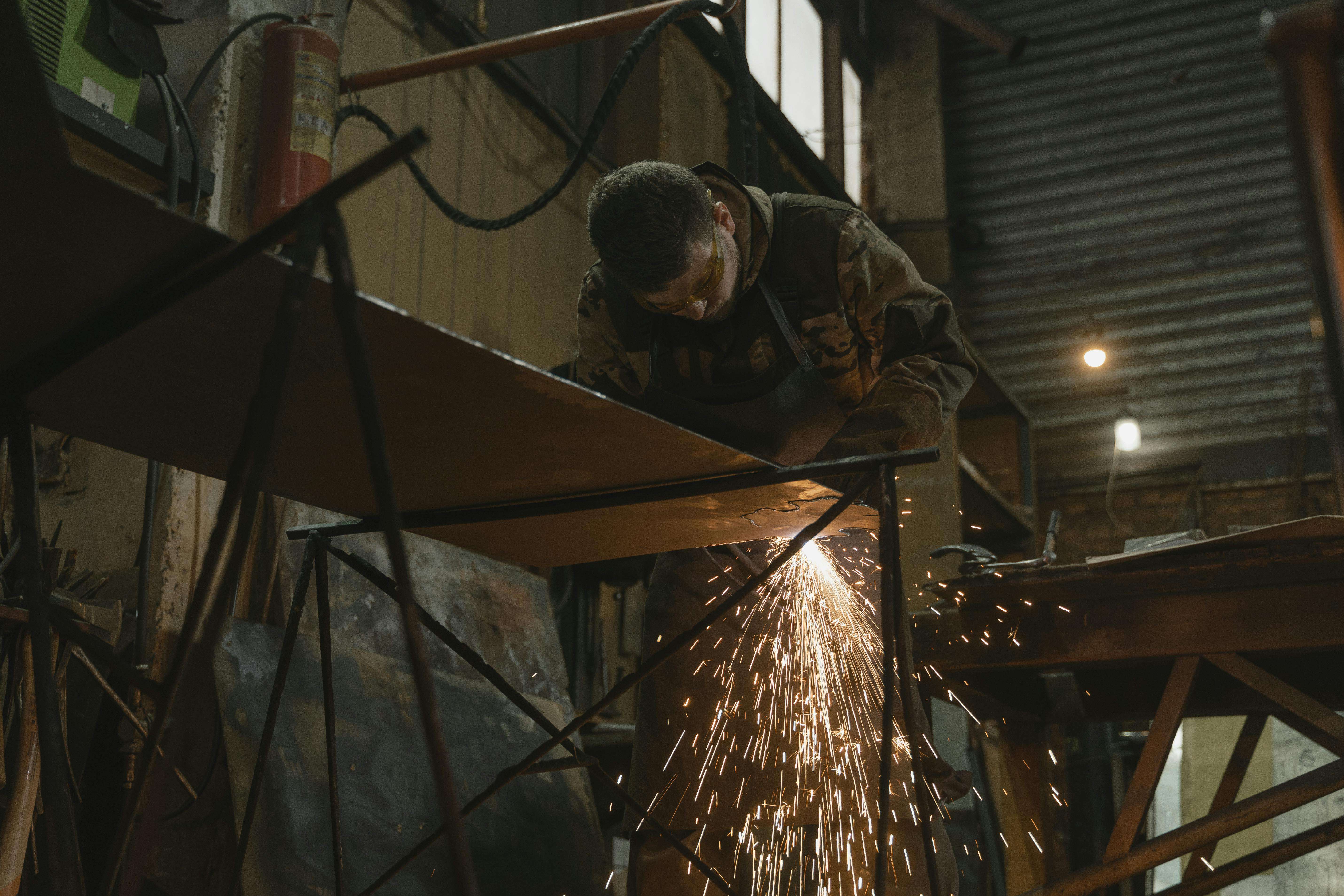
- Protective coatings — blast cleaning and painting of structural steelwork, pipework and vessels, both offshore and onshore
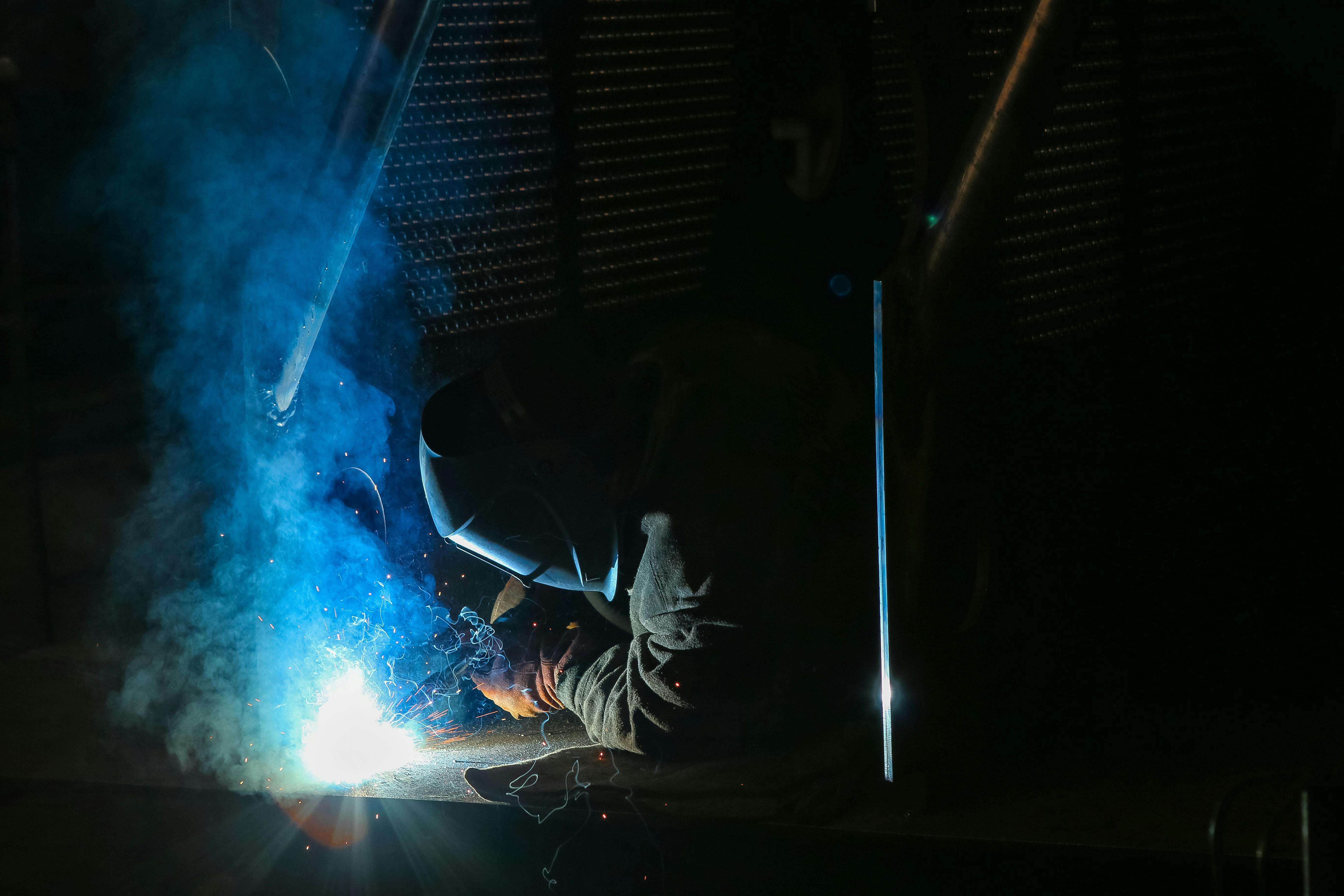
- Weld inspection — visual and NDT inspection of structural and piping welds on platforms, process plant and pressure vessels
- Fireproofing — installation and repair of passive fire protection on offshore topsides and onshore industrial facilities
- Facade maintenance — granite repointing, stone cleaning, rainwater goods repair and window replacement on Union Street and city centre properties
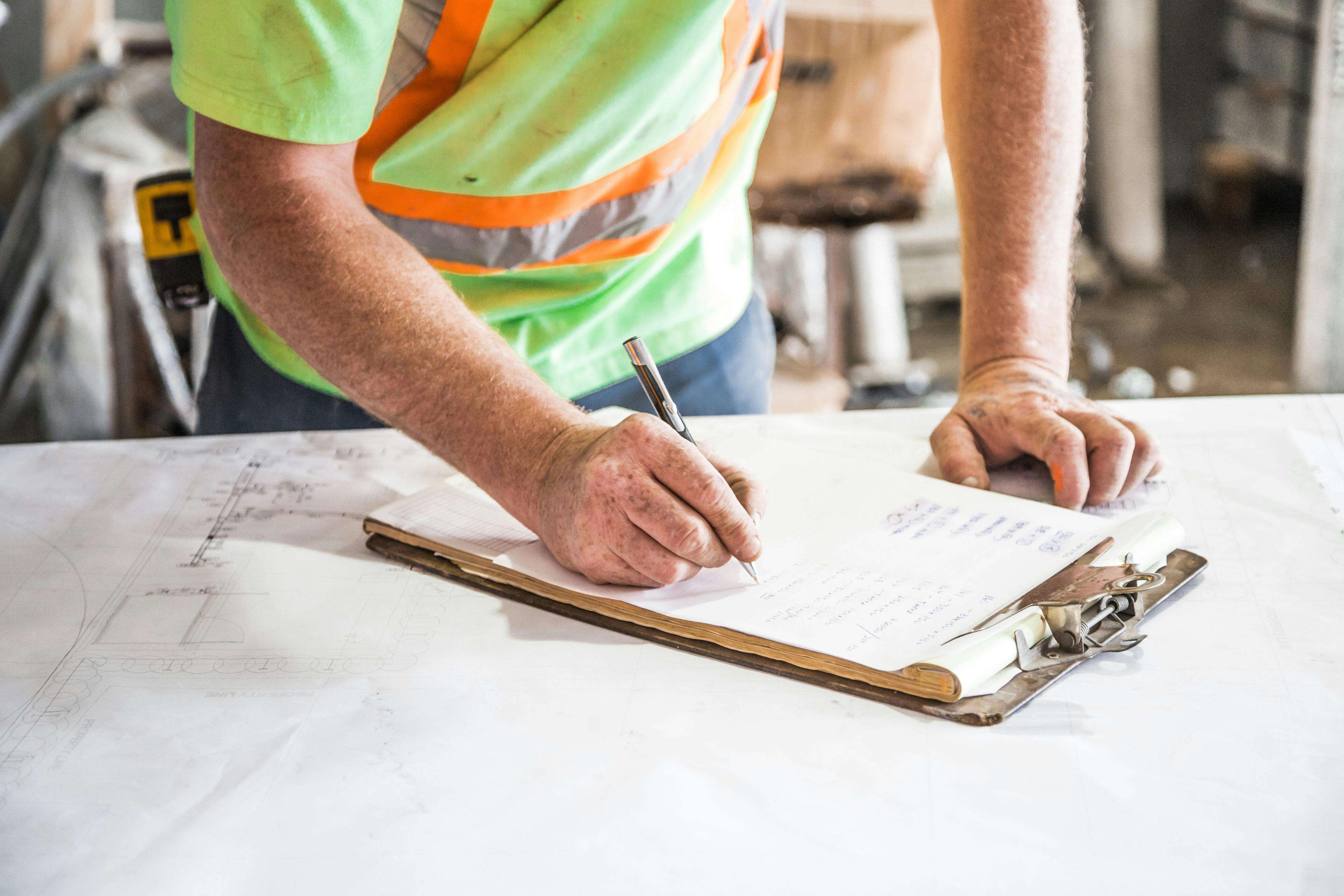
- Building surveys — drone-assisted and rope access close-up inspection for commercial property condition reports
- Confined space entry — vessel entry, tank cleaning and internal inspection work requiring additional CSCS qualifications
Areas We Cover from Aberdeen
Our operators cover Aberdeen city, the harbour area and industrial zones including Altens, Dyce, Bridge of Don, Westhill and Kingswells. Wider coverage extends to Peterhead, Inverurie, Stonehaven, Ellon and across Aberdeenshire. Offshore teams mobilise from Aberdeen heliport and harbour to North Sea installations.