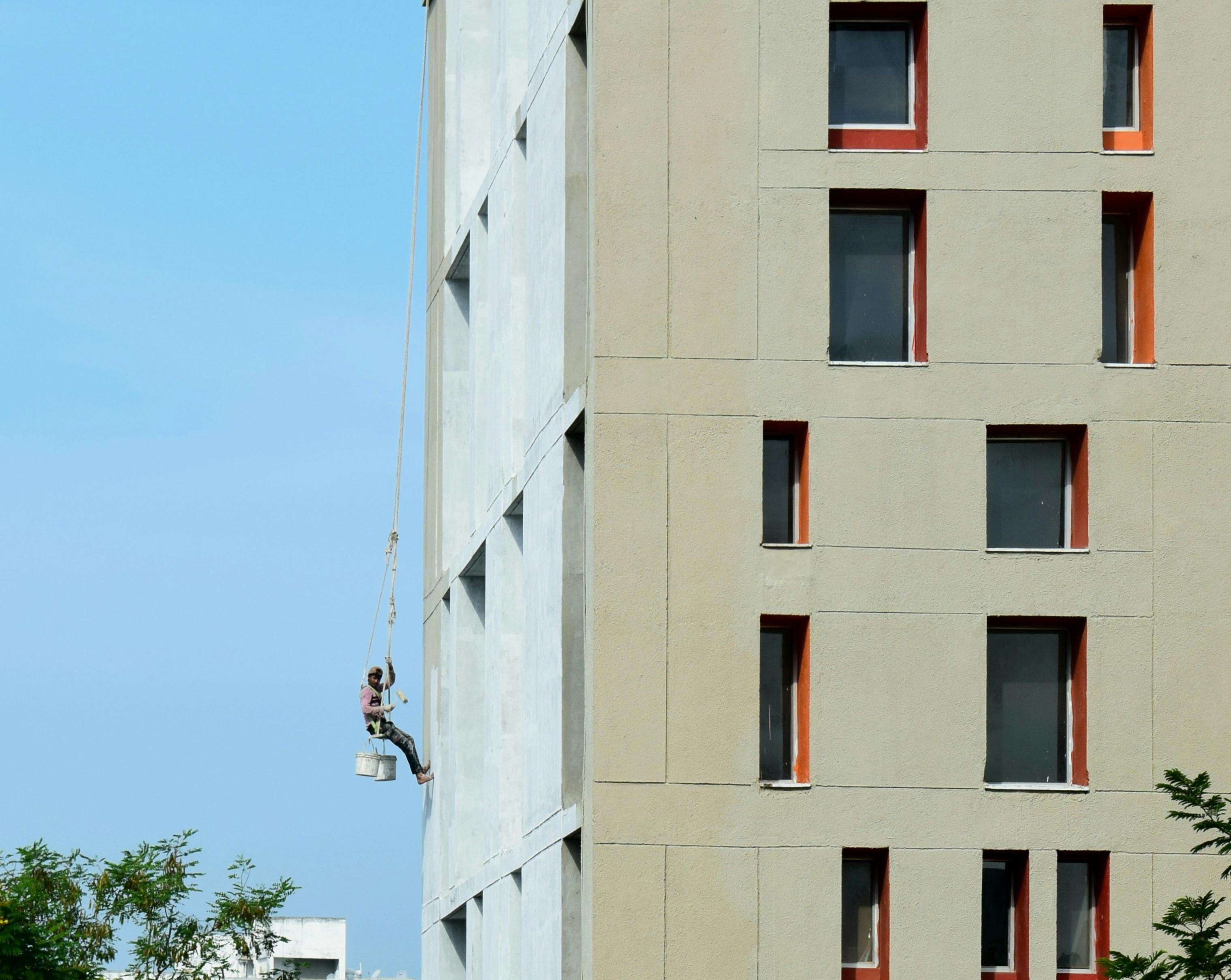
Where Rope Access Is Used in Bristol
Bristol’s building stock spans Georgian townhouses, Victorian warehouses, post-war civic buildings and a fast-growing cluster of modern residential towers. Rope access is in regular use across all of them.
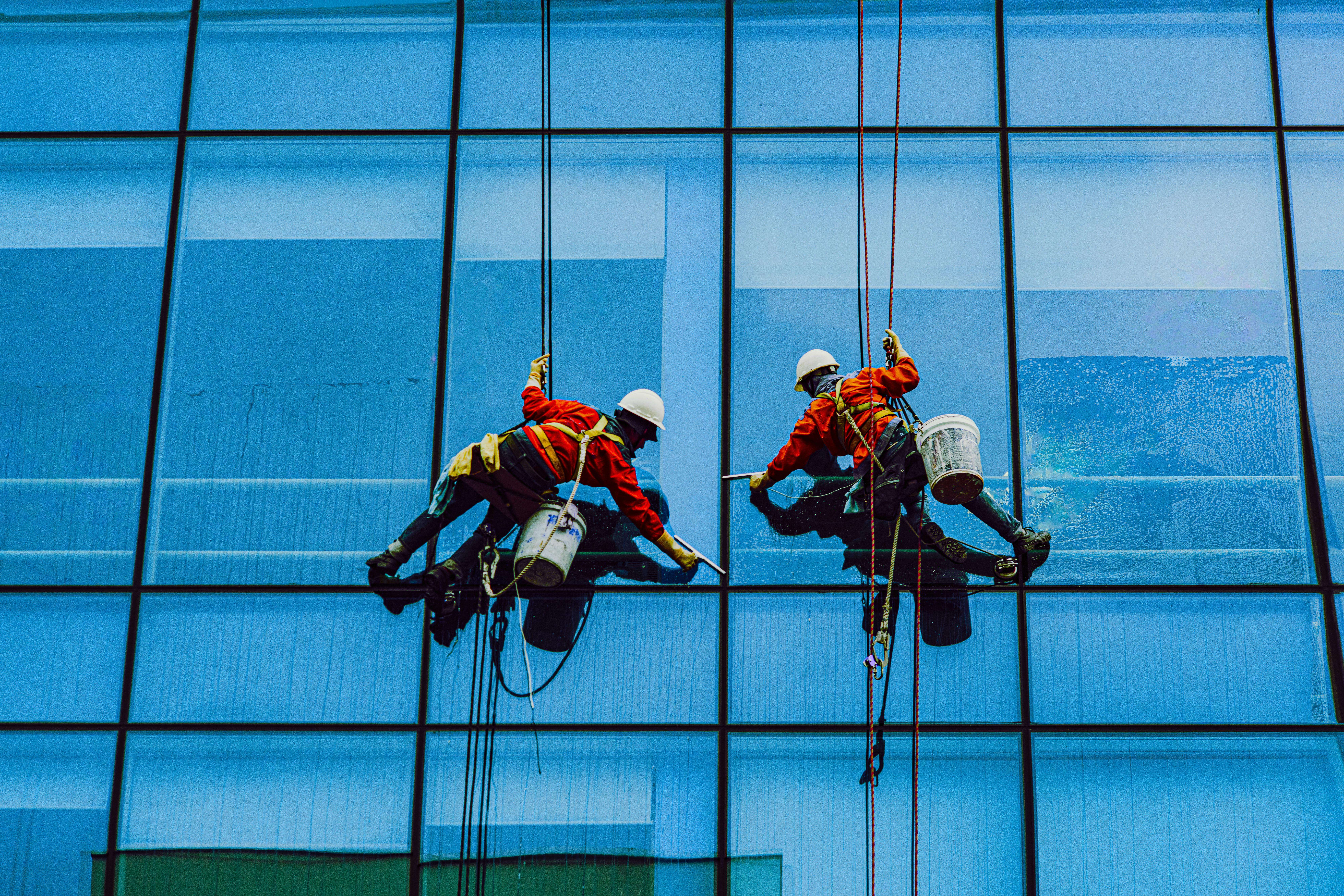
Commercial offices and retail. Temple Quarter Enterprise Zone and the Finzels Reach development have added significant modern office space to the city centre, with curtain wall facades requiring cyclical cleaning and seal replacement. Cabot Circus and Broadmead’s retail buildings need regular high-level maintenance including glazing, signage and rainwater goods.
Georgian and Victorian heritage. Clifton, Redland and Cotham contain some of the finest Georgian and Victorian terraces outside Bath. Stucco repair, stone cleaning, chimney stabilisation and roof surveys on these properties are bread-and-butter rope access work. Much of Clifton sits within a conservation area, adding restrictions on scaffold erection that make rope access the default method.
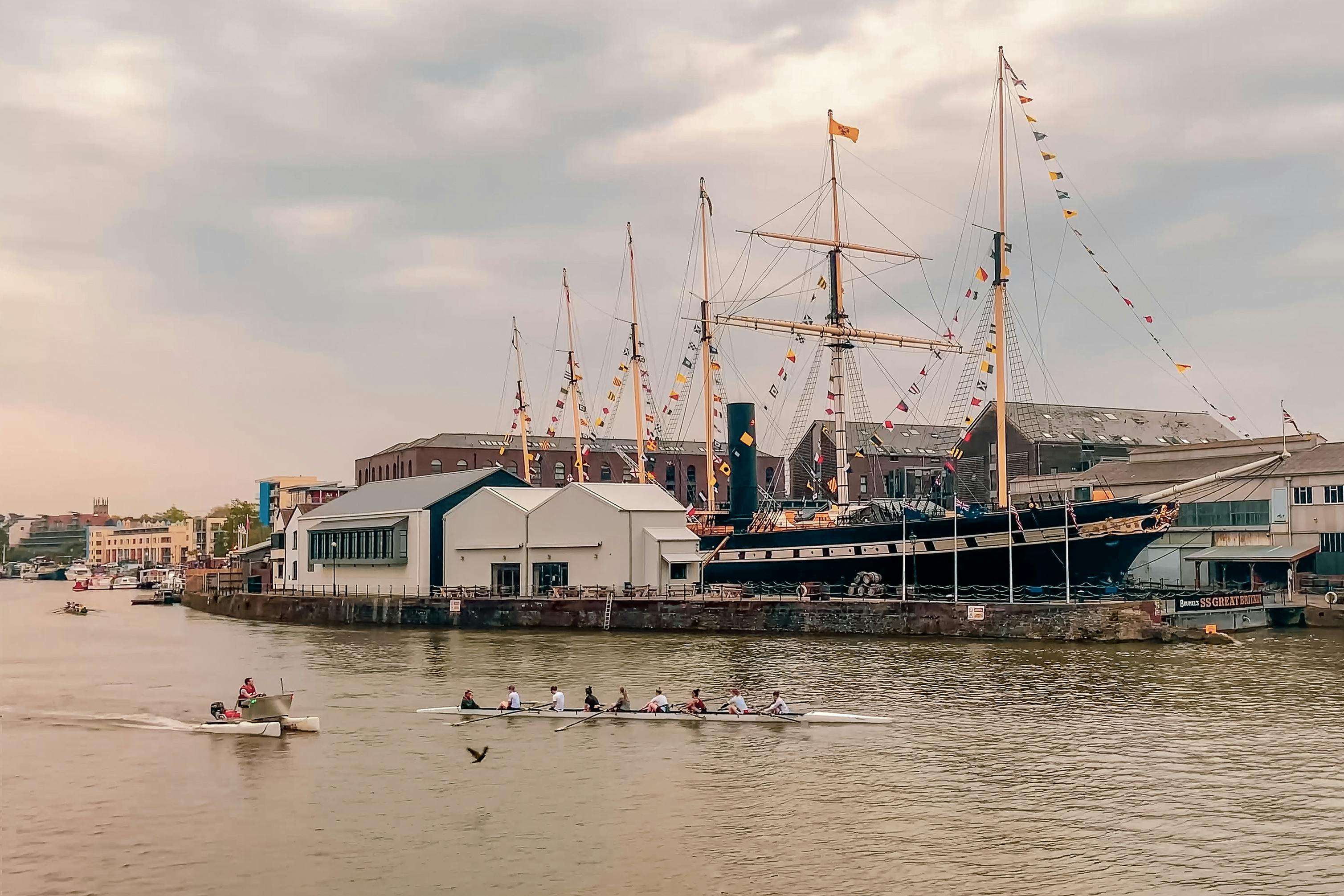
Harbour-side and waterfront. The Floating Harbour regeneration has produced a dense mix of converted warehouses, modern apartments and cultural venues — including the Arnolfini, M Shed and the ss Great Britain’s dry dock infrastructure. Access to waterfront elevations often means working above water with no viable scaffold base, making rope access the only practical option.
University campuses. The University of Bristol’s estate is spread across Clifton and the city centre, with buildings ranging from the Wills Memorial Building (Grade II listed) to modern science blocks. UWE’s Frenchay campus has its own maintenance programme. Both institutions need work scheduled around term times and exam periods.
Aerospace and industrial. Filton’s aerospace corridor — home to Airbus, Rolls-Royce and GKN — includes large-scale hangars, manufacturing facilities and wind tunnels requiring specialist industrial access for inspection, painting and maintenance.
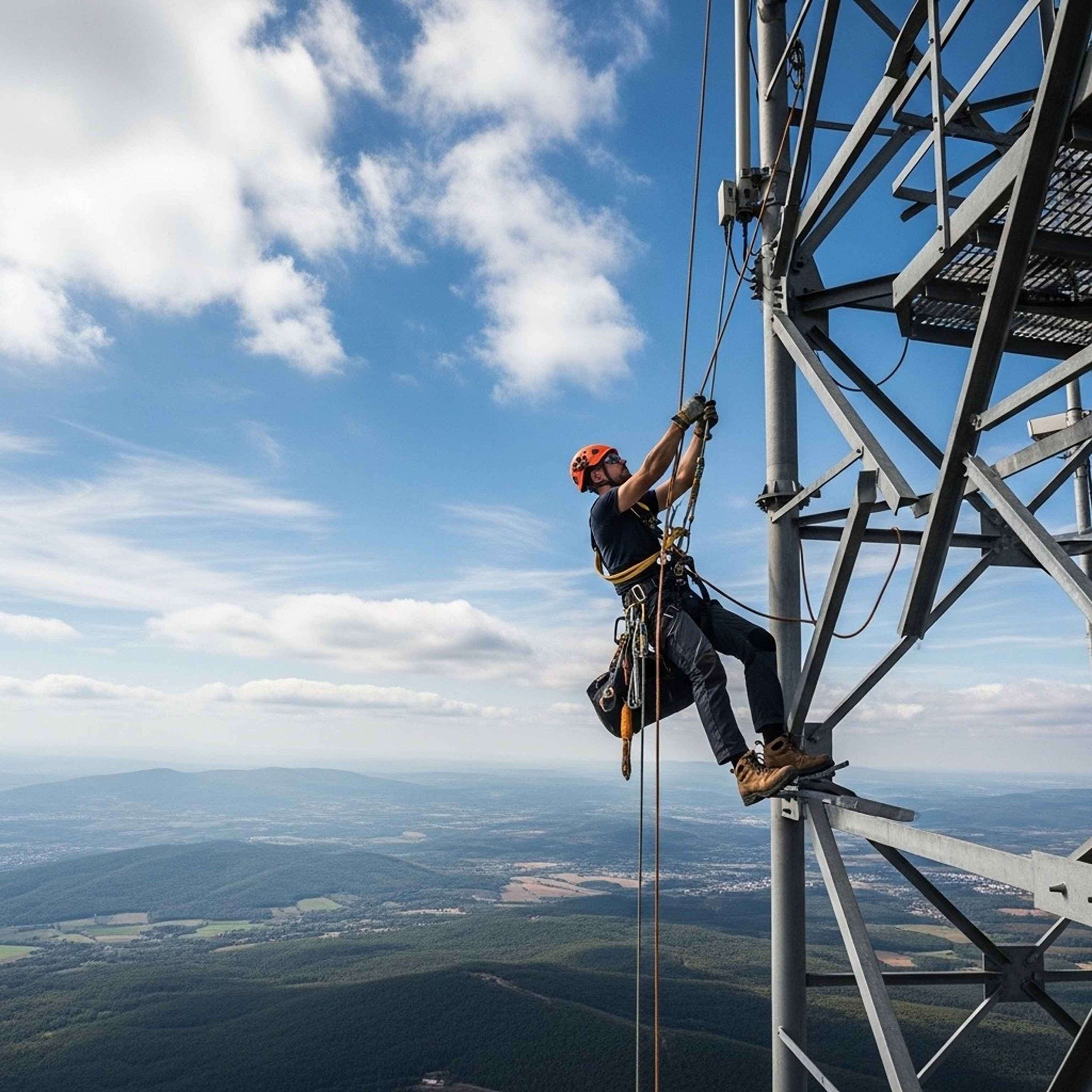
Infrastructure. The Clifton Suspension Bridge, the Severn crossings and the network of railway viaducts and bridges across the Avon Gorge all require regular inspection and maintenance. Rope access is the standard method for soffit inspection, bearing checks and protective coating work on these structures.
Rope Access vs Scaffolding in Bristol
Bristol’s geography and built environment create specific problems for traditional scaffolding that rope access avoids entirely.
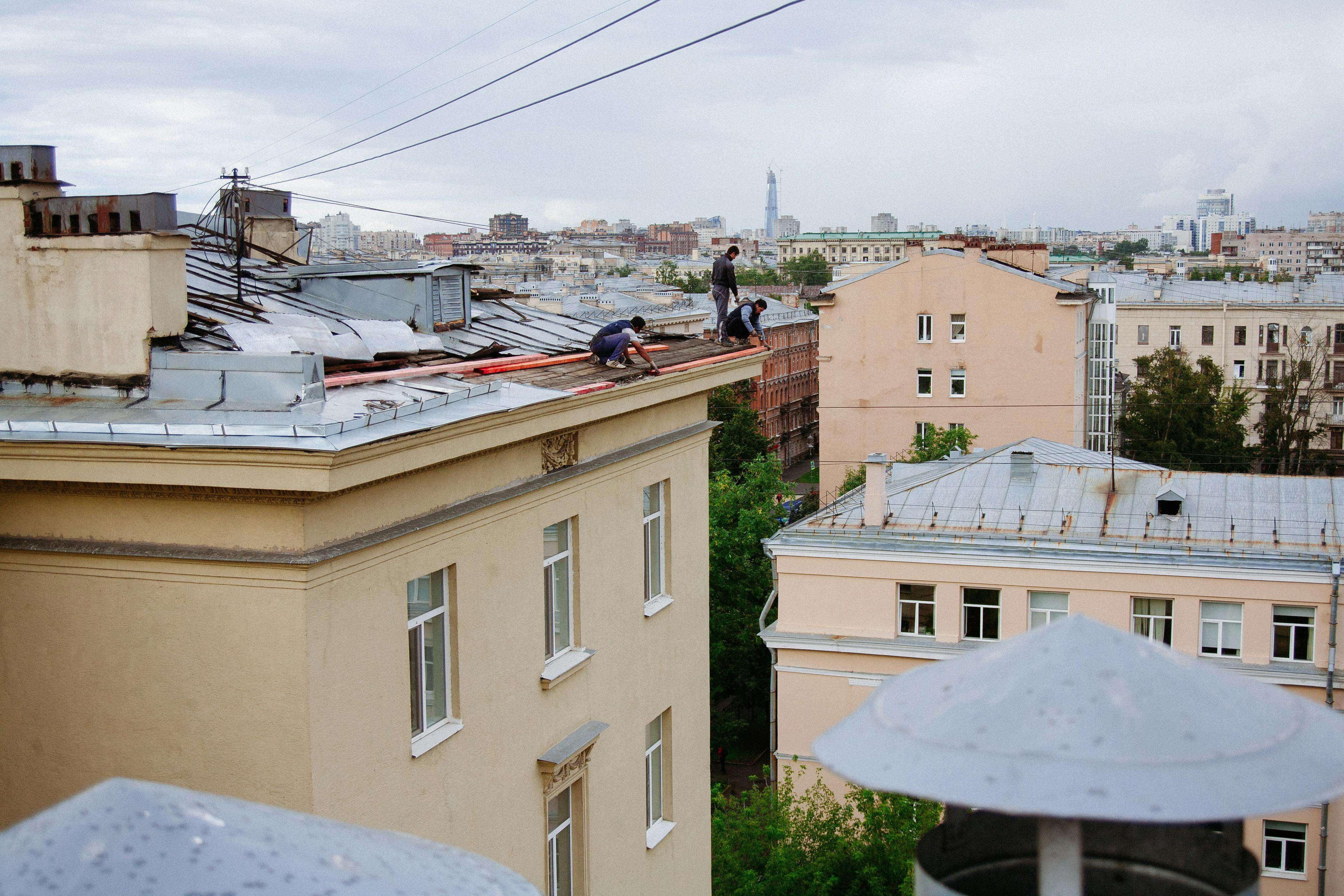
Steep topography. Bristol is built across a series of steep hills and valleys — from the Avon Gorge to the slopes of Kingsdown and Totterdown. Erecting scaffold on a steeply sloping street means complex foundation work, additional bracing and significant cost increases. Rope access teams set up from the roof and the gradient is irrelevant.
Narrow streets in conservation areas. Clifton Village, Christmas Steps and much of the old city centre have narrow streets where scaffold would block pedestrian access or require road closures. Rope access leaves the pavement clear.
Occupied student housing. Bristol has one of the largest student populations in the South West, and a huge stock of HMO properties across Redland, Cotham and Stokes Croft. Landlords need cyclical maintenance — gutter clearing, render repairs, roof surveys — carried out quickly between tenancies. Scaffold hire for a single terrace house is disproportionately expensive; rope access gets it done in a day.
Harbour-side access constraints. Many buildings along the Floating Harbour have no ground-level access on their waterfront elevation. Scaffold would require costly temporary platforms or pontoons. Rope access works from the roof with no waterside footprint.
Event disruption. Bristol hosts major events throughout the year — the Balloon Fiesta, Harbour Festival and St Paul’s Carnival all affect access to buildings in surrounding areas. Rope access can mobilise and demobilise quickly without conflicting with road closures or crowd management plans.
Common Rope Access Projects in Bristol
- Facade cleaning and restoration — stone cleaning on Georgian terraces, render repair on Victorian villas, curtain wall cleaning on modern office blocks
- Heritage stonework repair — lime mortar repointing, Bath stone replacement and stucco restoration across Clifton and the city centre
- Gutter and rainwater goods maintenance — clearing and repair on period properties, particularly the large stock of Victorian terraces used as student housing
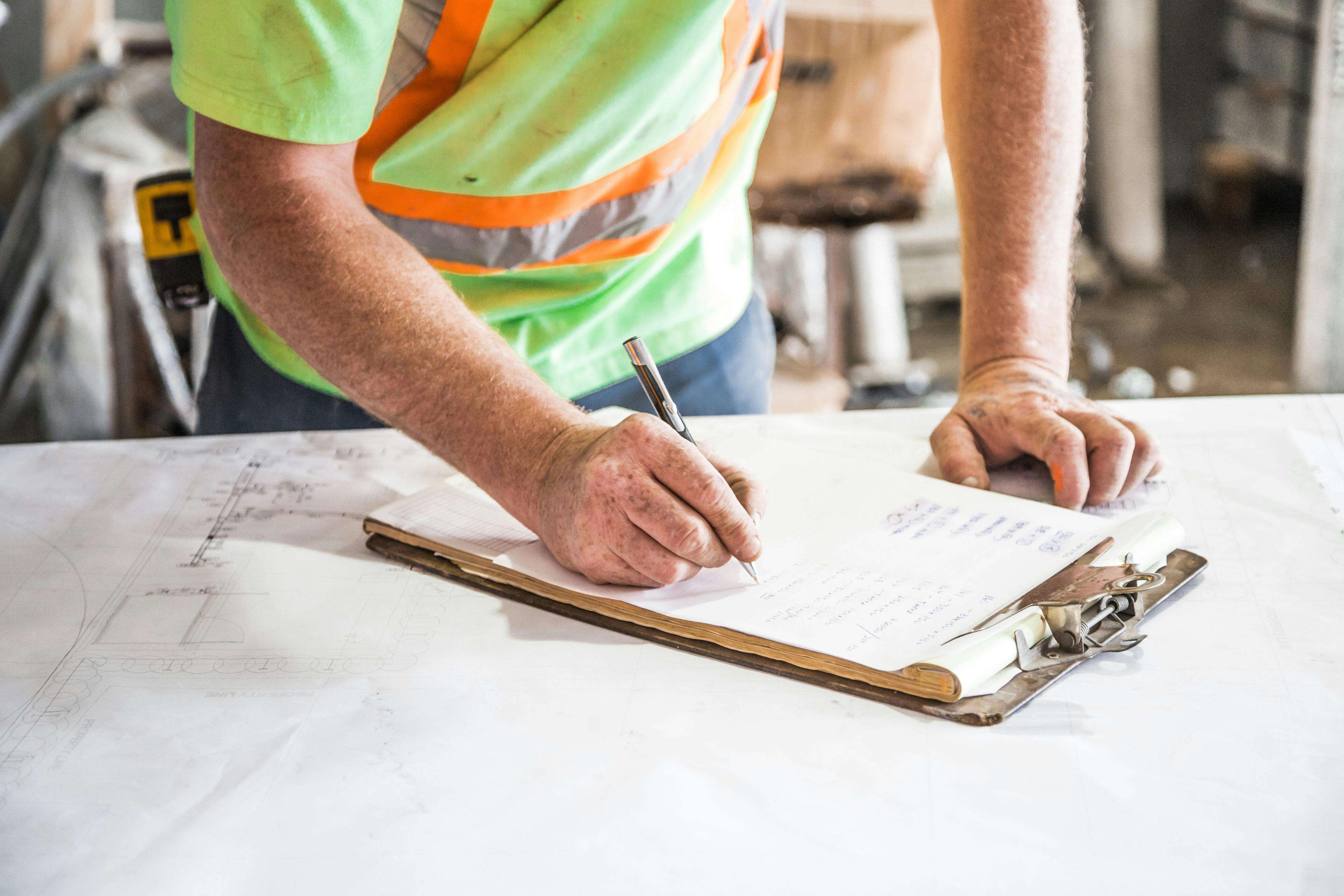
- Building surveys and condition reports — close-up inspection access for structural engineers on heritage and commercial buildings
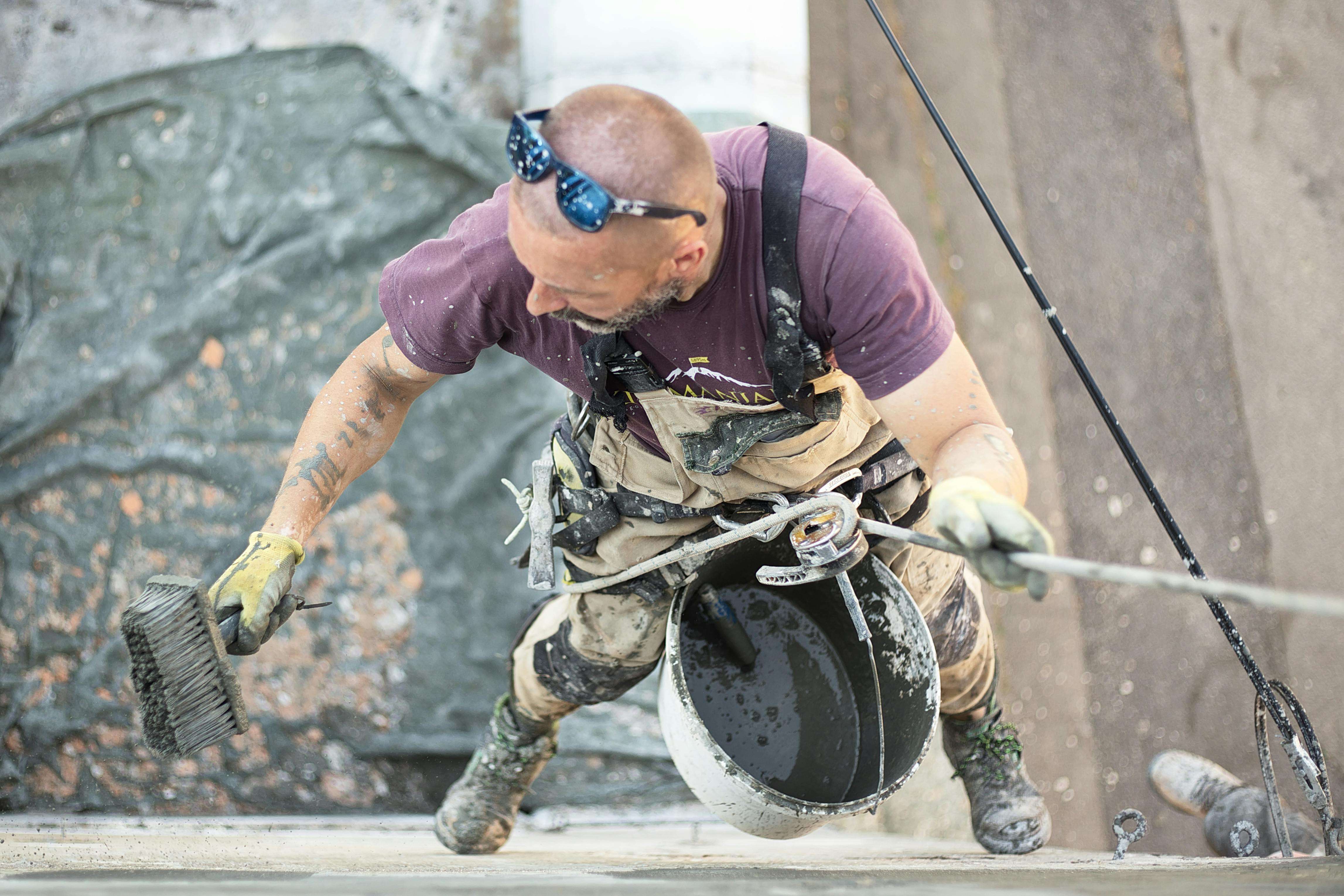
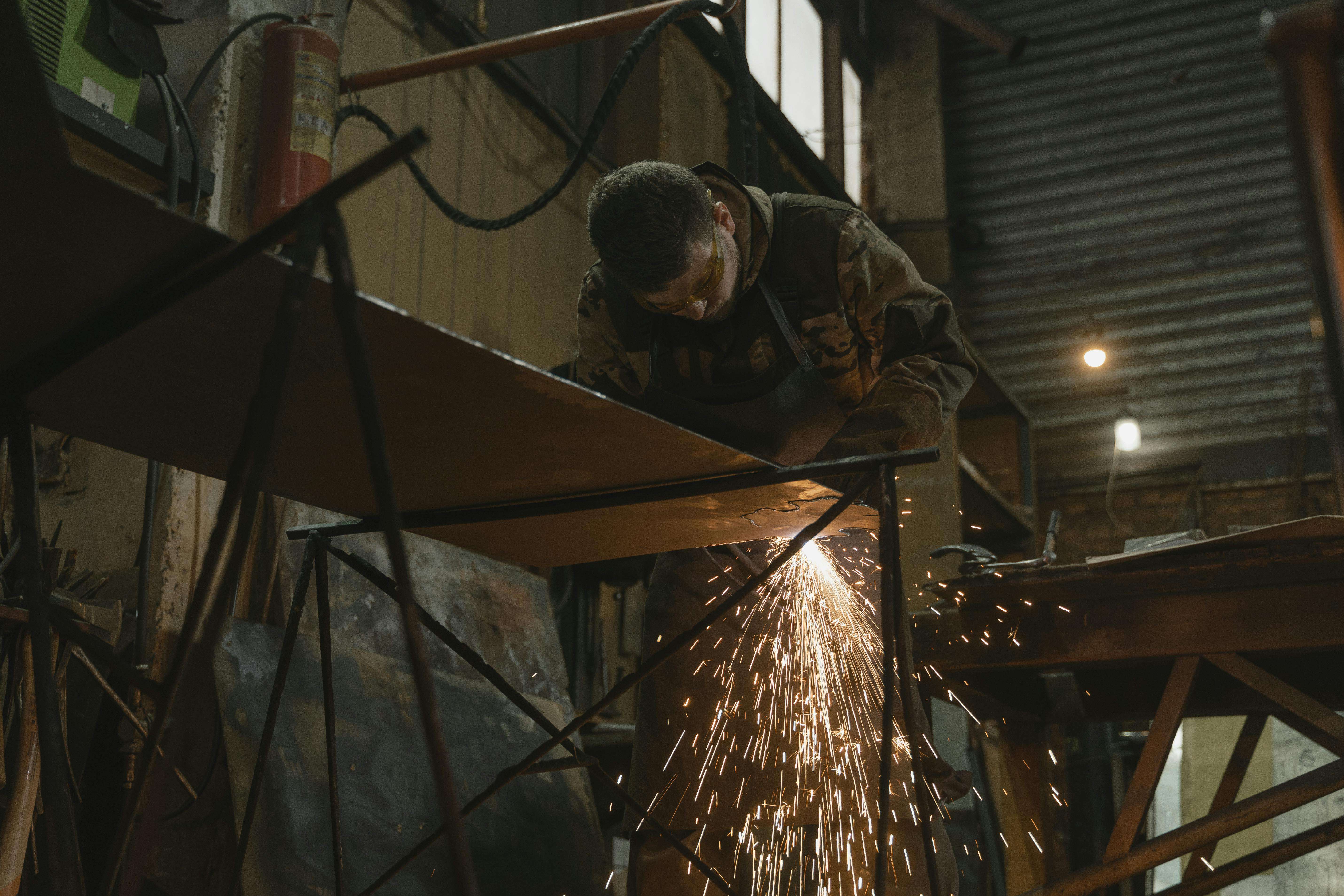
- Industrial painting and coating — protective coatings on aerospace facilities, warehouse steelwork and port infrastructure
- Bridge inspection — soffit surveys, bearing inspection and painting on the Clifton Suspension Bridge, railway viaducts and Severn crossings
- Cladding inspection and remediation — EWS1 surveys and cladding replacement on the city’s growing number of residential towers
- Concrete repair — spalling concrete on post-war buildings, multi-storey car parks and civic structures
- Lightning protection — installation and testing on commercial buildings, university facilities and listed structures
Areas We Cover from Bristol
Our operators cover the wider Bristol and North Somerset region. Key areas of activity include Bath, Weston-super-Mare, Clevedon, Portishead, Yate, Keynsham, Thornbury, Nailsea, Chepstow, the Filton aerospace corridor and the M4/M5 corridor towns. We also cover the Severn crossings and infrastructure along the Avon Gorge.