Where Rope Access Is Used in Dundee
Dundee’s building stock ranges from world-class contemporary architecture to dense Victorian tenement housing, with a significant industrial and port-side component. The city’s dual identity — regenerating cultural centre and North Sea support base — creates a broad spread of rope access work.
V&A Dundee and waterfront architecture. Kengo Kuma’s V&A Dundee is one of the most architecturally complex buildings in Scotland. Its twisted concrete walls, clad in thousands of pre-cast panels, require specialist inspection and maintenance access that only rope access can practically deliver. The surrounding waterfront regeneration has added hotels, offices and residential buildings with modern curtain wall facades needing regular cleaning and sealant maintenance.
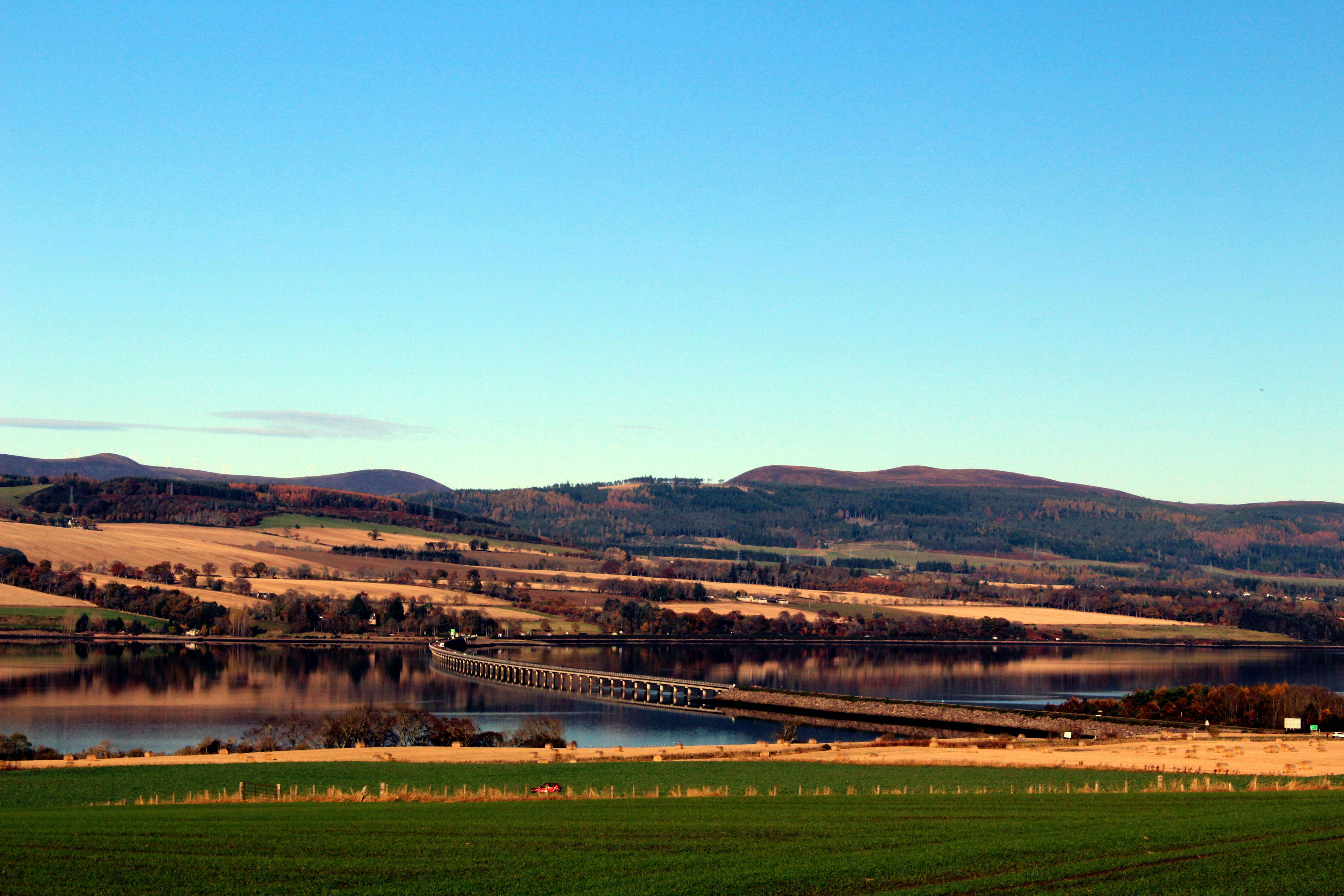
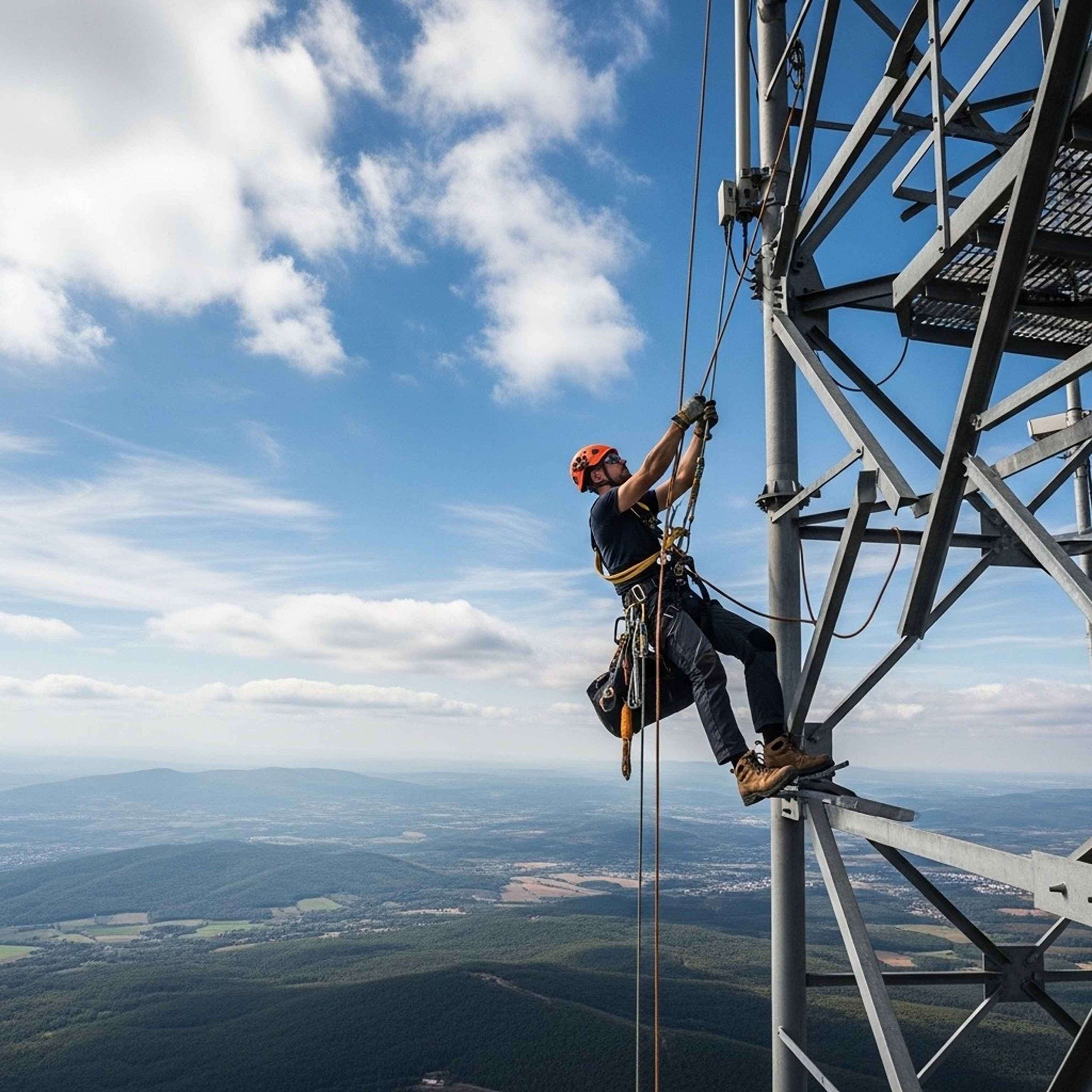
Tay Road Bridge and Tay Rail Bridge. The two Tay crossings are major infrastructure assets requiring ongoing inspection and maintenance. Rope access is used for soffit inspection, bearing surveys, parapet steelwork painting and confined-space access within the bridge structures. The Rail Bridge’s lattice ironwork is particularly suited to rope access — the geometry makes cradle systems impractical.
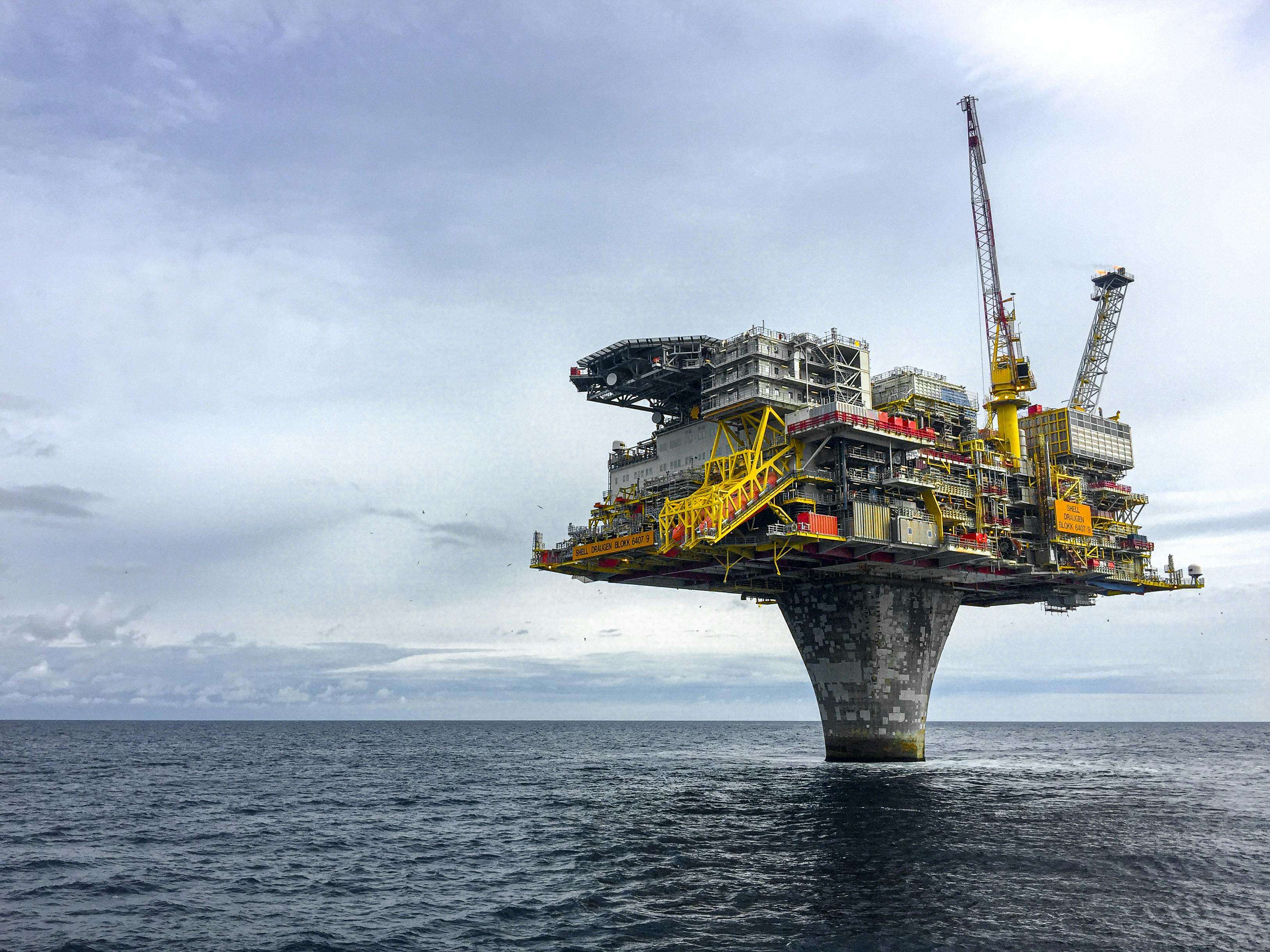
Port facilities and decommissioning. Dundee’s port handles North Sea decommissioning work as mature oil and gas fields reach end of life. Rope access technicians carry out NDT inspection, surface preparation, asbestos survey access and structural assessment on platforms and vessels brought ashore for dismantling. The port infrastructure itself — quayside cranes, warehouse buildings and jetty structures — also requires regular maintenance.
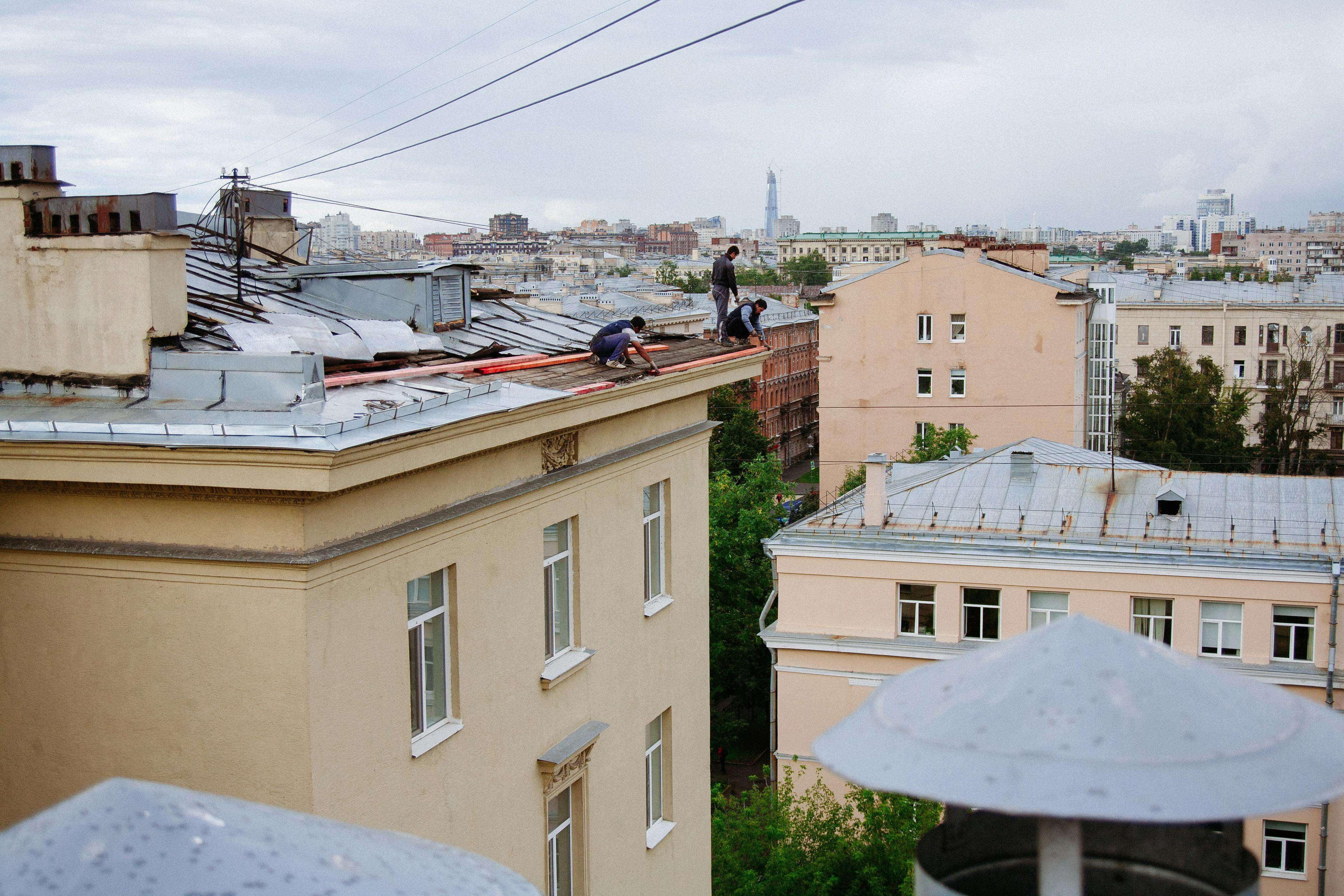
Tenement housing stock. Dundee has a large stock of Victorian and Edwardian sandstone tenements, typically four storeys with shared stairwells. These buildings need cyclical stonework repair, chimney maintenance, roof surveys and gutter clearing. Rope access is efficient for tenement work because it avoids scaffold in narrow back courts and eliminates the need for access through individual flats.
University campuses. The University of Dundee and Abertay University have substantial campus estates with buildings ranging from 1960s concrete towers to modern teaching facilities. The Tower Building (University of Dundee’s landmark high-rise) requires regular facade maintenance. Campus work is typically scheduled during vacation periods, and rope access allows completion within tight programme windows.
Former industrial buildings. The Michelin building (now Michelin Scotland Innovation Parc), Verdant Works and other converted industrial sites have large-scale facades and structural steelwork that require periodic inspection and maintenance. Caird Hall’s Beaux-Arts facade needs conservation-grade cleaning and stone repair.
Rope Access vs Scaffolding in Dundee
Dundee’s geography and building types create specific advantages for rope access:
Dense tenement streets. Much of Dundee’s residential core — Stobswell, Hilltown, Lochee — consists of tenement blocks on narrow streets with limited pavement width. Scaffold erection requires road closures and disrupts residents’ access to communal drying areas and back courts. Rope access works from roof level with no ground obstruction.
Waterfront wind exposure. The Tay estuary funnels strong easterly winds through the waterfront area. Scaffold on exposed waterfront buildings requires enhanced wind bracing and frequent post-storm inspections. Rope access has no standing structure vulnerable to wind loading.
Port operational constraints. Active port areas cannot be closed for scaffold erection around quayside infrastructure. Rope access teams work from the structures themselves — crane booms, warehouse eaves, jetty steelwork — without obstructing vessel berthing or cargo handling operations.
Dundee Law and hillside buildings. The volcanic plug of Dundee Law creates steep terrain in the city centre. Buildings on slopes have asymmetric heights — three storeys at the front, five at the rear — making scaffold design complex and expensive. Rope access adapts to any building geometry without ground-level complications.
Programme speed for campus work. University maintenance windows are short — typically 8 to 12 weeks during summer vacation. Scaffold erection and dismantle can consume half that time. Rope access teams mobilise within days, maximising productive working time within the available window.
Common Rope Access Projects in Dundee
- Bridge inspection and maintenance — soffit surveys, steelwork painting, bearing inspection and parapet repair on the Tay crossings
- Decommissioning access — NDT inspection, asbestos survey, surface preparation and structural assessment on offshore assets at the port
- Tenement stonework repair — repointing, lintel replacement, chimney repair and gutter maintenance on Victorian sandstone tenements
- Facade cleaning — DOFF steam cleaning on heritage stonework, pressure washing on modern cladding
- Concrete repair — spalling concrete on 1960s campus buildings and multi-storey car parks
- Industrial painting — protective coating systems on port infrastructure, warehouse steelwork and former industrial buildings
- Roof surveys — slate and flat roof inspection with photographic condition reports for property factors and housing associations
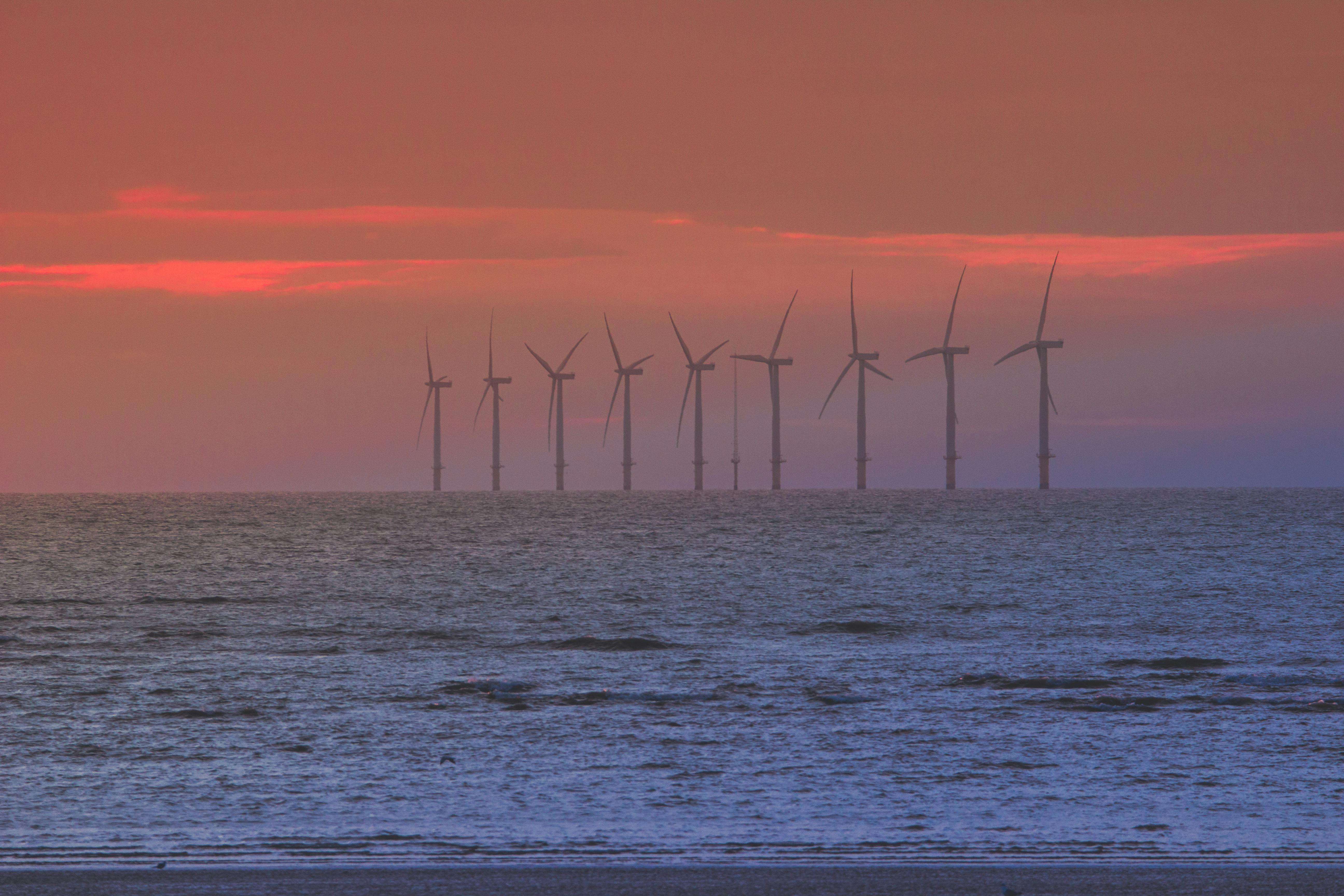
- Offshore wind support — blade inspection and tower maintenance on North Sea wind farms, mobilising from Dundee port
Areas We Cover from Dundee
Our rope access operators serve Dundee, Broughty Ferry, Monifieth, Carnoustie and Invergowrie. Wider coverage extends across Tayside and Fife to Perth, Arbroath, Forfar, Montrose, St Andrews, Cupar and Kirkcaldy, as well as offshore energy assets in the North Sea.