Where Rope Access Is Used in Edinburgh
Edinburgh’s built environment is among the most architecturally significant and tightly regulated in the UK. Rope access is used across the full range of the city’s building stock:
Old Town medieval and post-medieval buildings. The Royal Mile from the Castle to Holyrood, the closes and wynds running off it, and the tenement lands of the Grassmarket, Cowgate and Canongate form one of the densest historic urban environments in Europe. Buildings are tall — some reaching eight or nine storeys — and sit on steeply sloping terrain with extremely narrow access at ground level. Scaffold erection in these locations is often physically impossible. Rope access is the only viable method for stonework repair, repointing, chimney work, roof access and facade surveys on many Old Town buildings.
Georgian New Town sandstone. The New Town’s grid of streets — Princes Street, George Street, Queen Street, Heriot Row, Moray Place — represents one of the finest ensembles of Georgian architecture in the world. The sandstone facades require cyclical maintenance: repointing, stone indenting, cornice repairs, astragal replacement and chimney stabilisation. This is a large and recurring market. Rope access allows targeted repairs without scaffold obscuring the uniform streetscapes that define the New Town’s character.
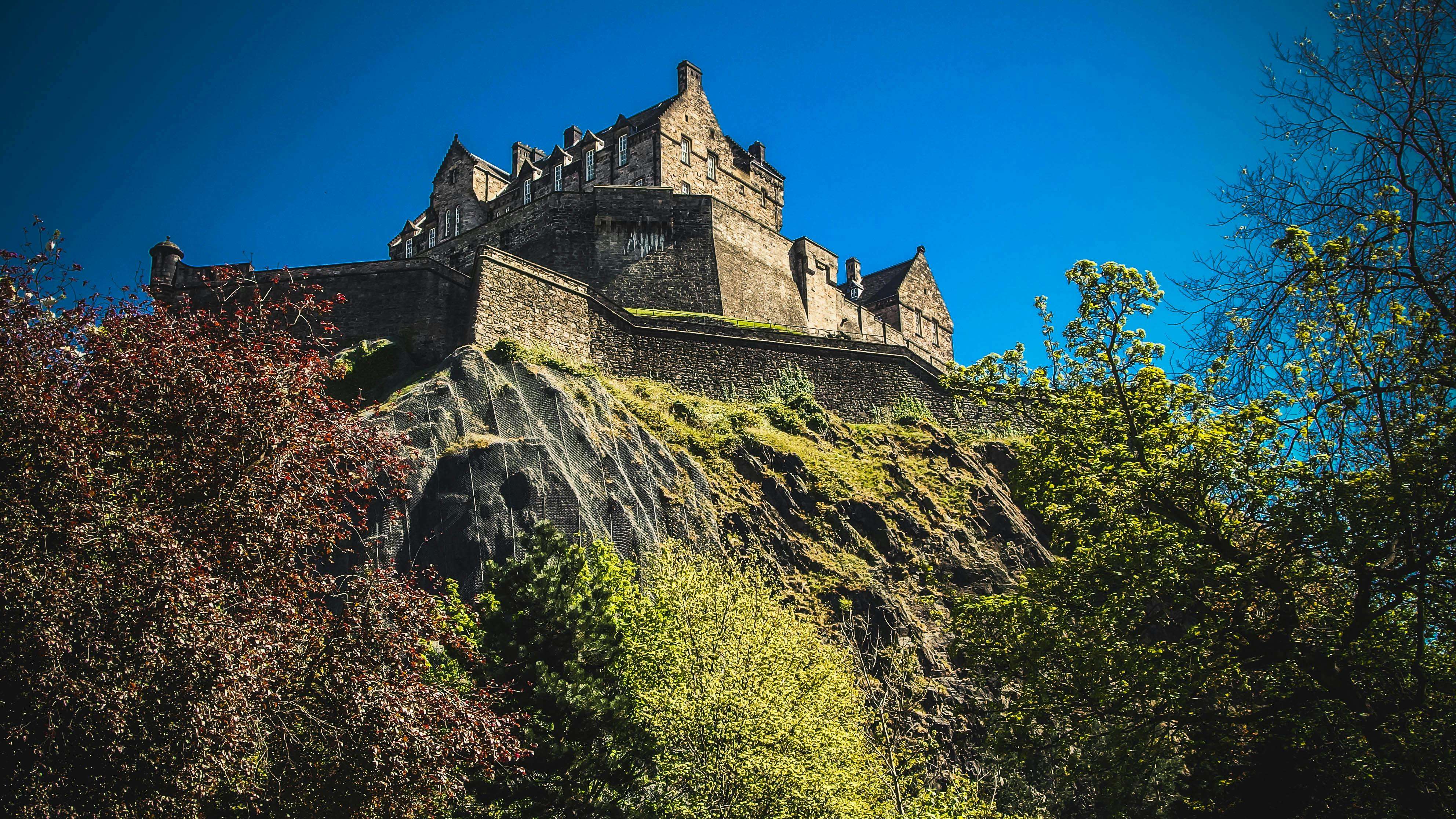
Edinburgh Castle and historic fortifications. The Castle rock face and ramparts require periodic inspection, vegetation removal and stonework stabilisation. The exposed volcanic rock and the sheer drops make this inherently rope access territory. Calton Hill monuments, the Scott Monument and other civic landmarks present similar specialist access requirements.
Princes Street commercial frontages. Princes Street is Edinburgh’s primary retail thoroughfare, with continuous commercial frontages above ground-floor shopfronts. Facade maintenance, signage, window replacement and stone cleaning on these buildings must be carried out without blocking pavement access or obscuring retail frontages. Rope access delivers this with no ground-level footprint.
University estate. The University of Edinburgh’s estate spans medieval buildings in the Old Town, the Old College quadrangle, the McEwan Hall and modern facilities at King’s Buildings and the BioQuarter. Heriot-Watt University’s Riccarton campus adds further demand. Maintenance across this range of building types — from Category A listed stone to modern curtain wall — requires rope access for minimal disruption to teaching and research.
Scottish Parliament and civic buildings. The Scottish Parliament at Holyrood, the City Chambers on the Royal Mile, the National Museum of Scotland and the National Galleries all require specialist maintenance. The Parliament’s complex geometry of concrete, oak and granite demands access methods that can reach difficult areas without damaging architectural finishes.
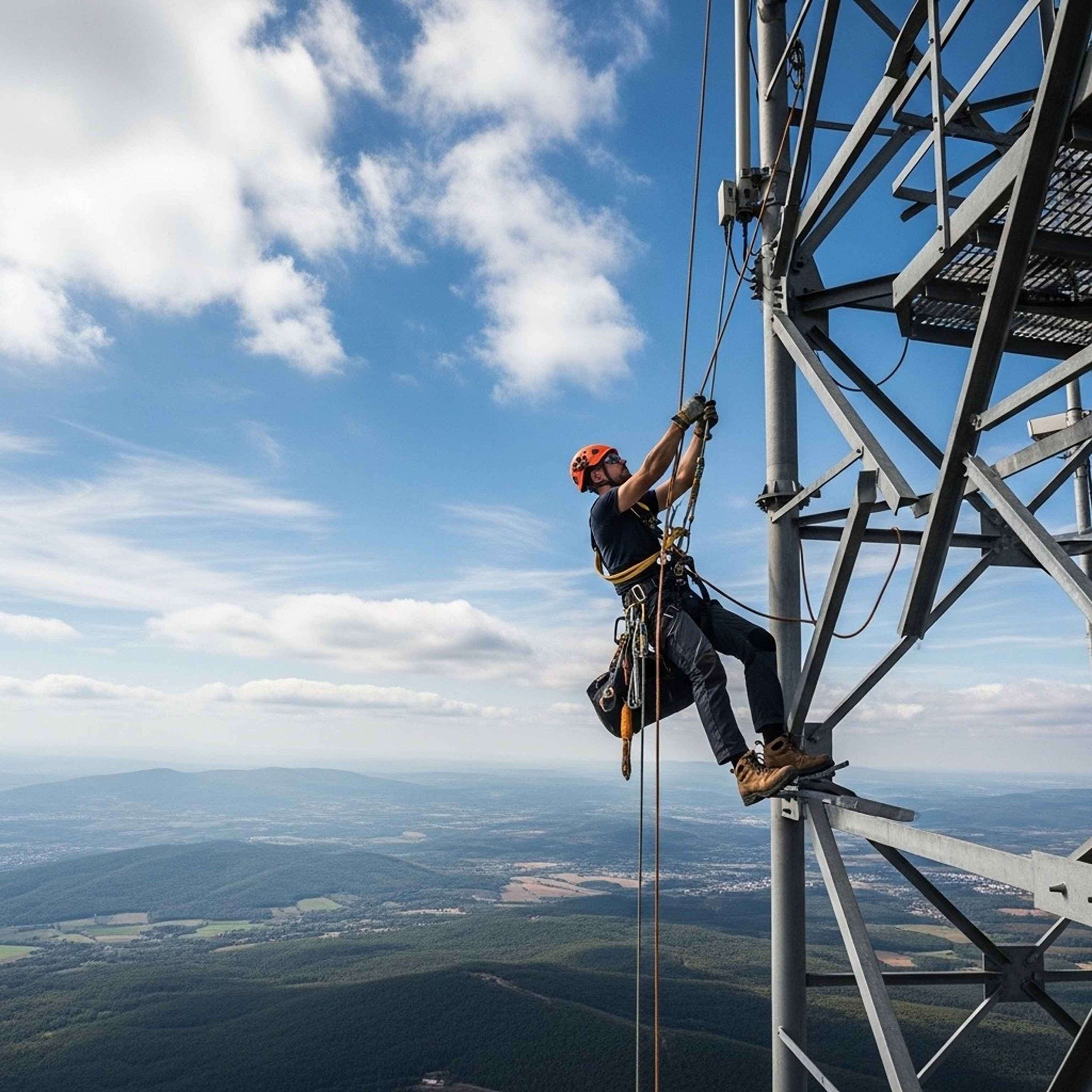
Forth bridges. The Forth Bridge (Category A listed), the Forth Road Bridge and the Queensferry Crossing are major infrastructure assets requiring ongoing inspection, painting and maintenance. Rope access is used extensively on all three structures for steel inspection, bolt checking, painting and confined-space access to bridge bearings and internal voids.
Festival infrastructure. Edinburgh’s August festivals generate significant temporary infrastructure demand — rigging, signage installation, banner hanging and lighting on buildings across the city centre, the Castle Esplanade and festival venues. Rope access provides the speed and flexibility needed for these short-programme installations and removals.
Rope Access vs Scaffolding in Edinburgh
Edinburgh has perhaps the strongest case of any UK city for rope access over scaffolding:
World Heritage Site planning controls. The Old Town and New Town together form a UNESCO World Heritage Site. Scaffold on building frontages within the site requires planning consent from the City of Edinburgh Council, with input from Historic Environment Scotland on listed buildings. This process can add weeks or months to project timescales. Rope access is generally permitted without additional consent, cutting programme times dramatically.
Old Town physical constraints. Many Old Town closes are less than two metres wide. Some buildings can only be accessed through internal staircases or via adjacent rooftops. Scaffold erection is physically impossible in many of these locations. Rope access is not just the preferred method — it is often the only method.
New Town streetscape preservation. The New Town’s uniform facades are a defining feature of the World Heritage Site. Full scaffold wraps on these buildings disrupt the visual unity of entire street elevations. Rope access allows repairs to specific areas of a facade without covering the whole building.
Princes Street pavement constraints. Princes Street has continuous pedestrian traffic and limited pavement width on the north side. Scaffold hoarding would force pedestrians into the roadway, requiring temporary traffic management orders and bus stop relocations. Rope access keeps the pavement clear.
Steep terrain and limited vehicle access. The Old Town sits on a volcanic ridge with steep gradients and restricted vehicle access. Delivering scaffold materials to sites on the Royal Mile, the Cowgate or the closes requires careful logistics planning. Rope access teams arrive with personal equipment and anchor systems — no scaffold truck required.
Conservation area restrictions beyond the World Heritage Site. Stockbridge, Marchmont, Bruntsfield, Morningside and many other Edinburgh neighbourhoods are conservation areas with their own planning controls. Rope access avoids the additional consent requirements that scaffold on listed or protected buildings may trigger.
Wind exposure. Edinburgh is an exposed city, particularly on elevated sites like the Castle, Calton Hill and Arthur’s Seat approaches. Scaffold on exposed elevations requires additional tie-backs and wind loading calculations. Rope access teams can work safely in higher wind speeds than scaffold allows, reducing programme delays.
Common Rope Access Projects in Edinburgh
The most frequently requested rope access work across Edinburgh includes:
- Heritage stonework restoration — stone indenting, repointing with lime mortar, cornice repairs, carved detail restoration and chimney rebuilding on Old Town and New Town buildings
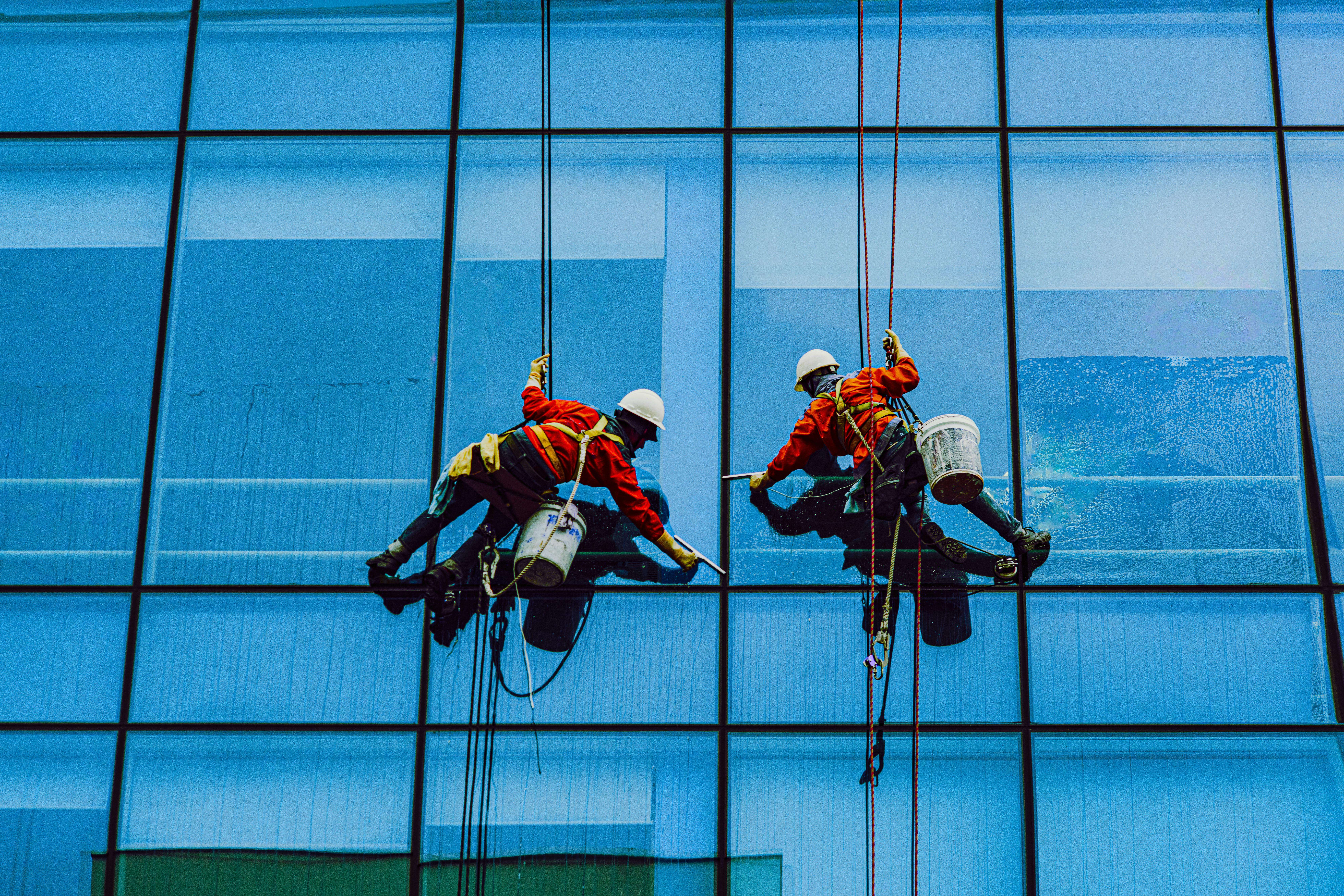
- Facade cleaning — stone cleaning on Georgian and Victorian facades and curtain wall washing on modern commercial buildings
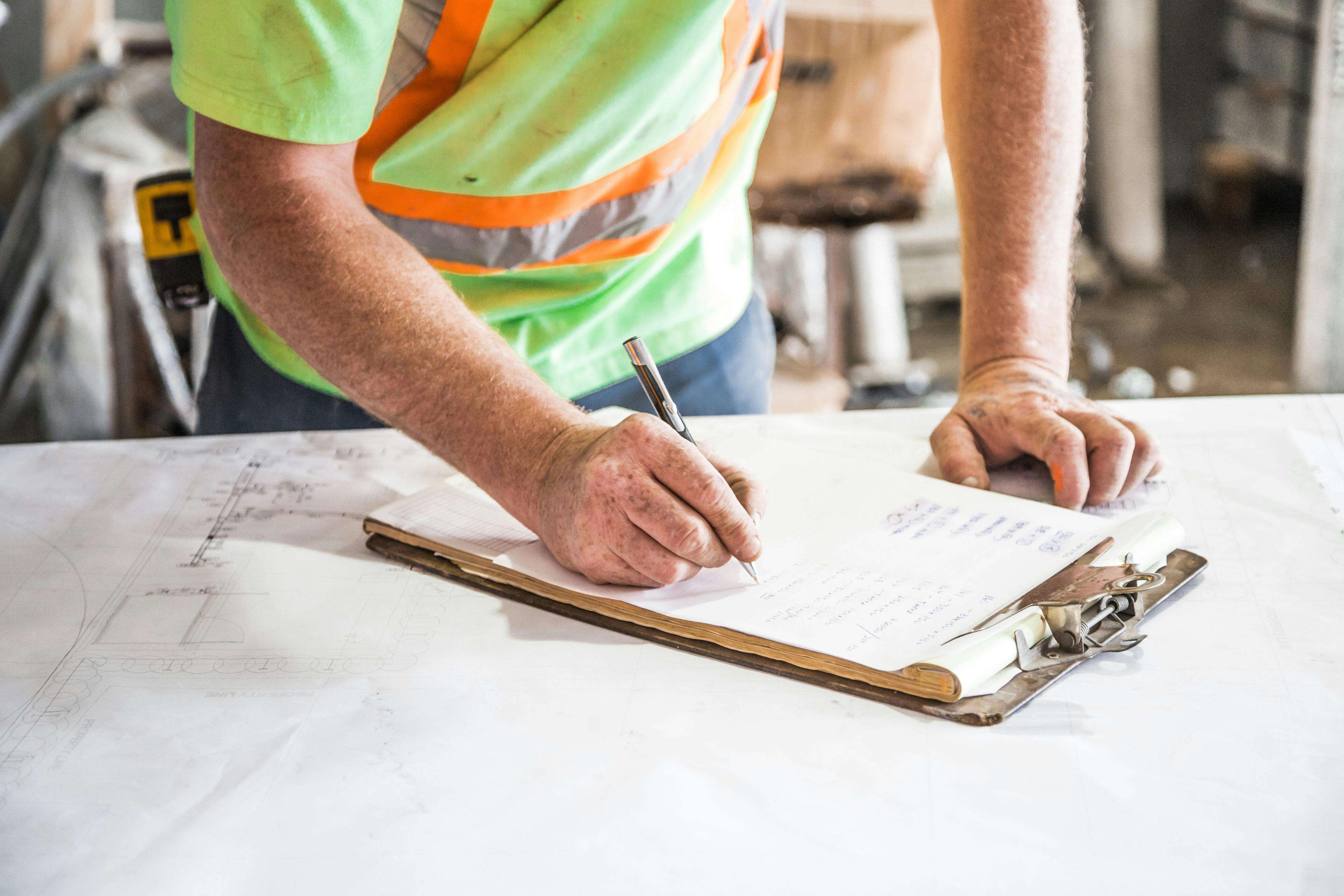
- Building surveys and condition reports — close-up facade inspection for structural engineers, conservation architects and building safety managers
- Chimney repair and stabilisation — Edinburgh’s tenements have thousands of chimney stacks requiring repointing, lead flashing renewal, pot replacement and structural stabilisation
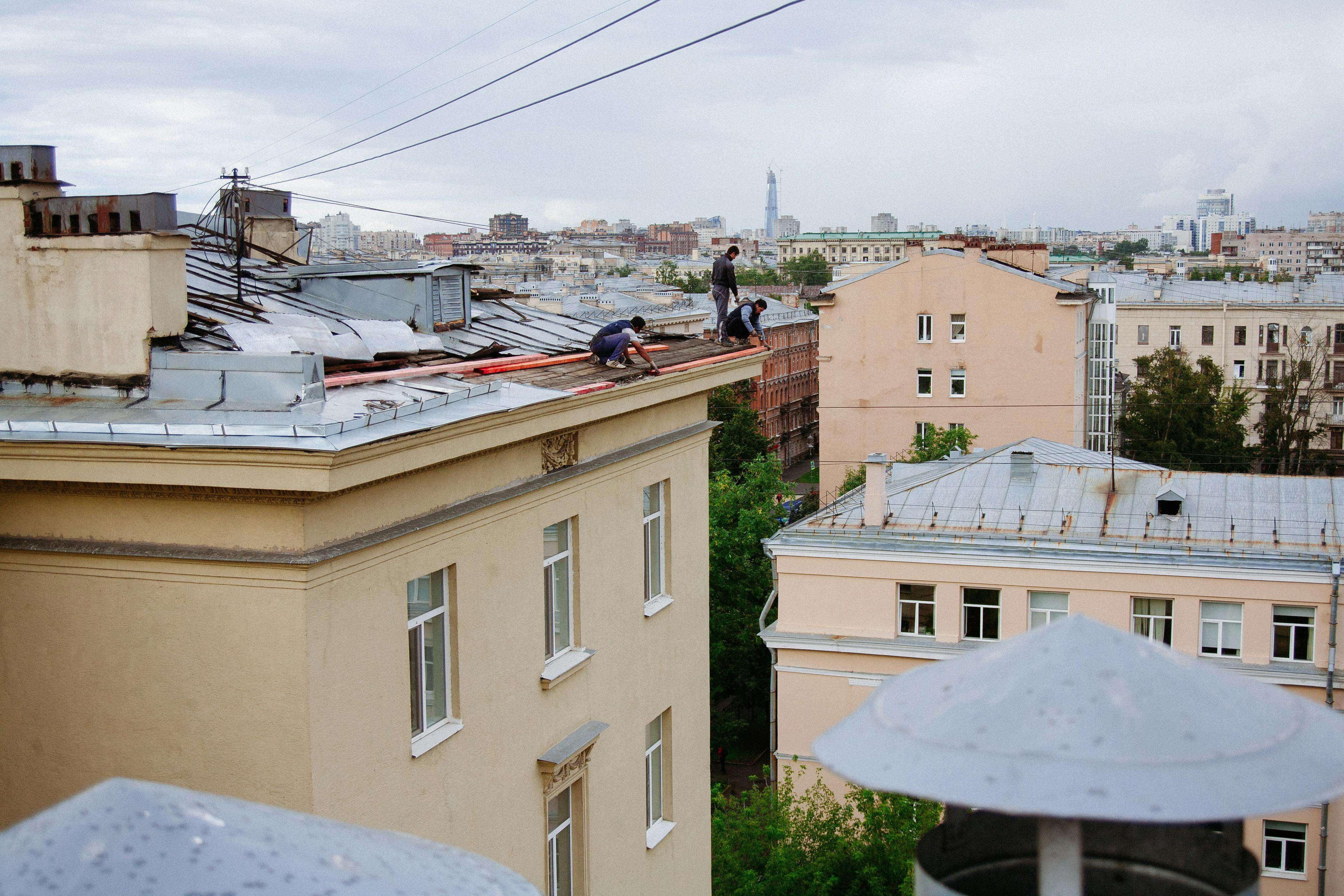
- Roof access and repairs — slate replacement, lead flashing, gutter clearance and ridge repairs on buildings where roof access is only achievable by rope
- Bridge inspection and maintenance — steelwork inspection, painting and confined-space access on the Forth bridges and other infrastructure
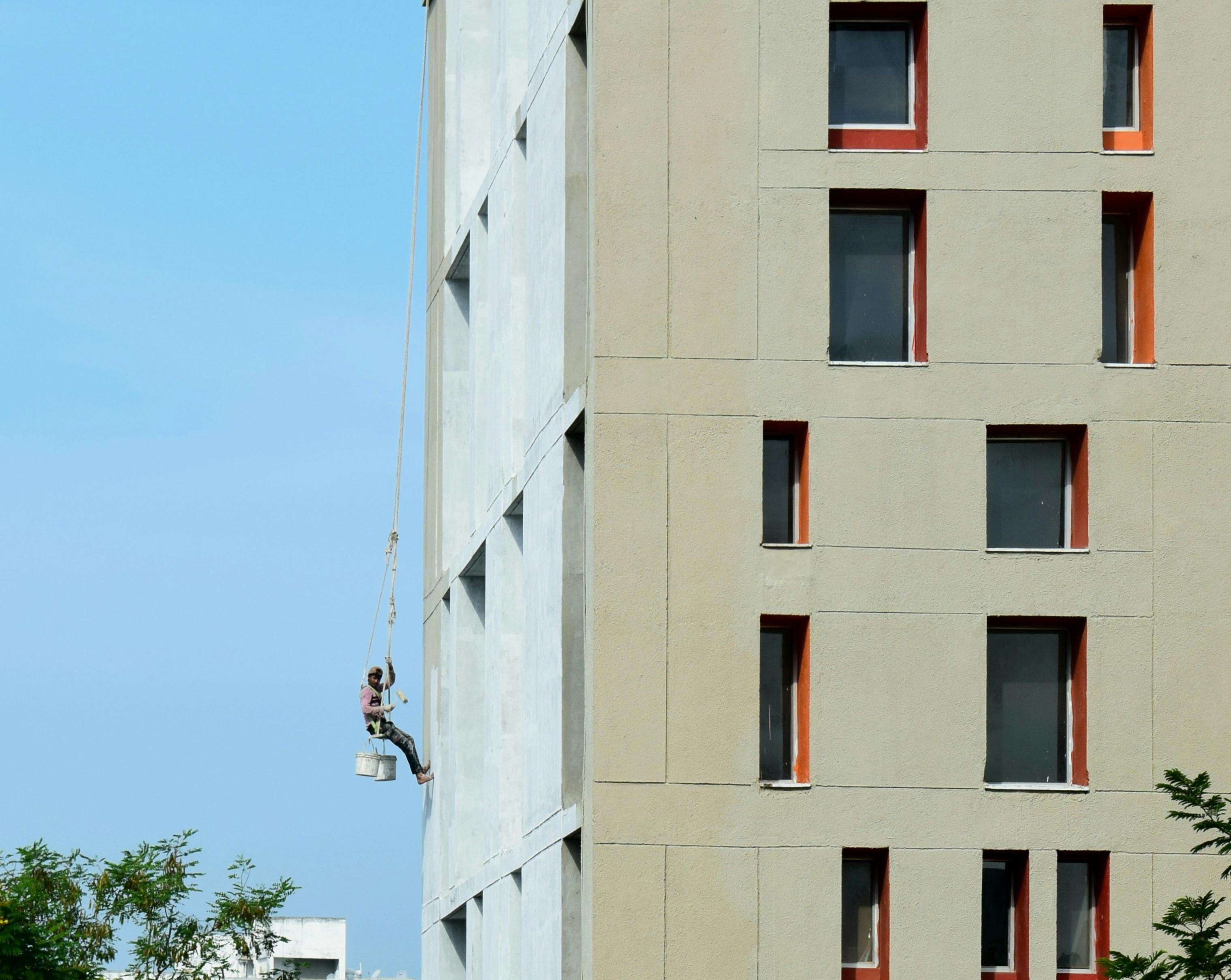
- High-level painting — external decoration on residential tenements, commercial buildings and civic structures
- Window and astragal replacement — timber sash window repair and replacement on Georgian and Victorian tenements
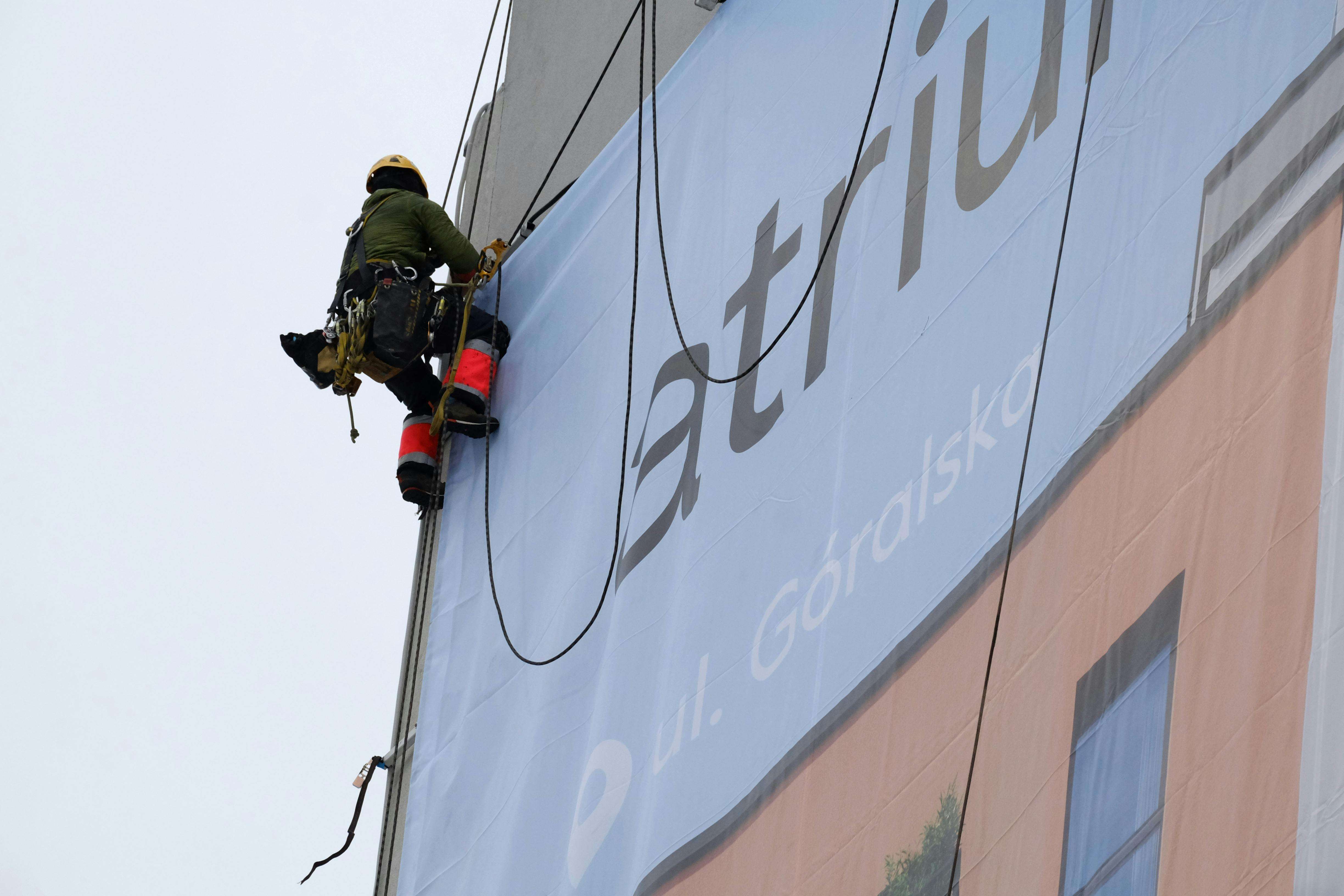
- Signage and festival rigging — banner installation, event signage and lighting rigging for Edinburgh’s festivals
- Concrete repair — spalling concrete on post-war buildings, university structures and multi-storey car parks
Areas We Cover from Edinburgh
Our operators cover Edinburgh city centre, the Old Town, the New Town and the wider Lothians region. Key areas of activity include Leith, Musselburgh, Livingston, Dalkeith, Dunfermline, Kirkcaldy, South Queensferry and Bathgate. We also serve the broader east of Scotland including the Borders, Fife, Stirling and towns along the M8, M9 and A1 corridors.