Where Rope Access Is Used in Glasgow
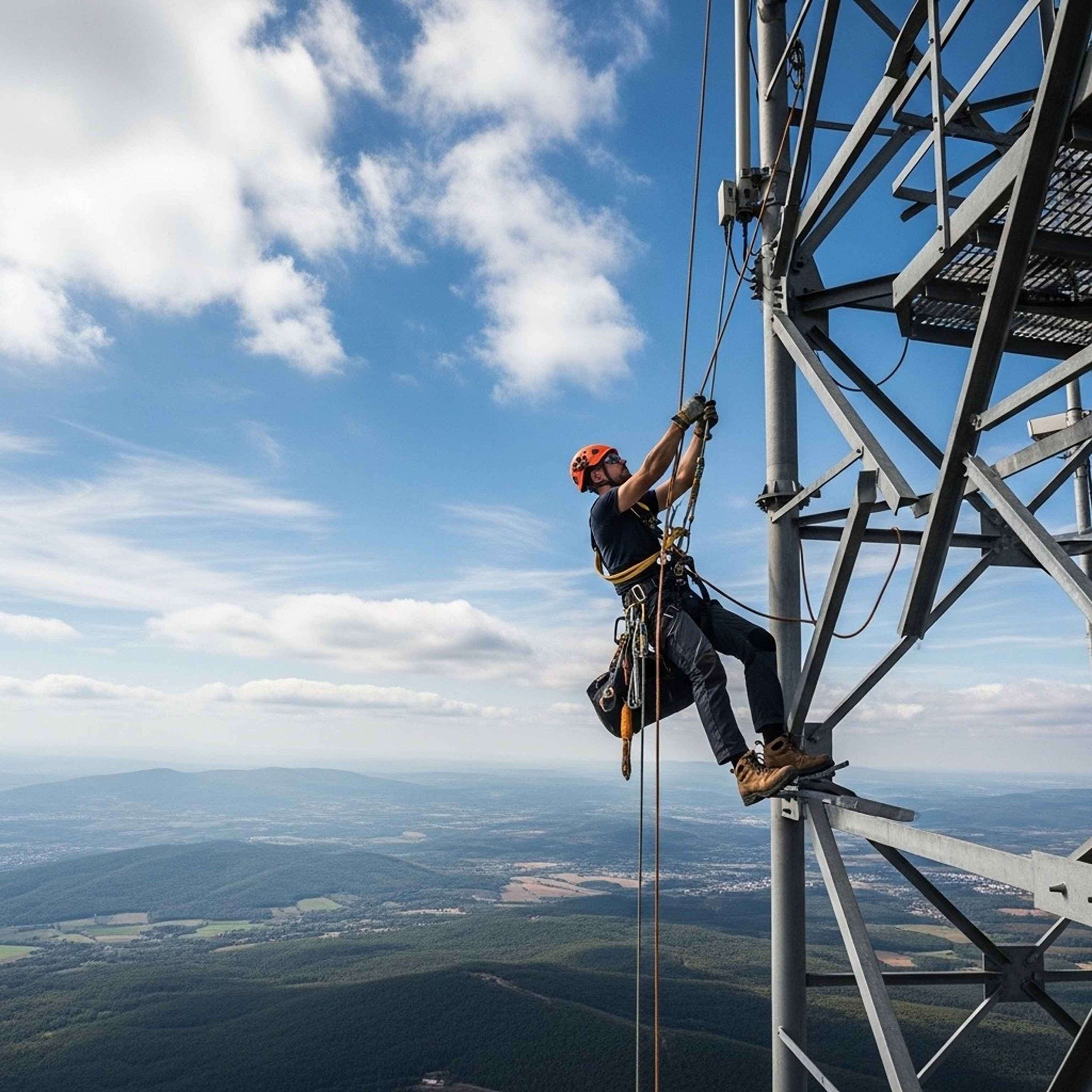
Glasgow’s building stock is uniquely diverse — Victorian sandstone tenements, 1960s tower blocks, modern high-rises and heavy industrial infrastructure all generate sustained demand for rope access:
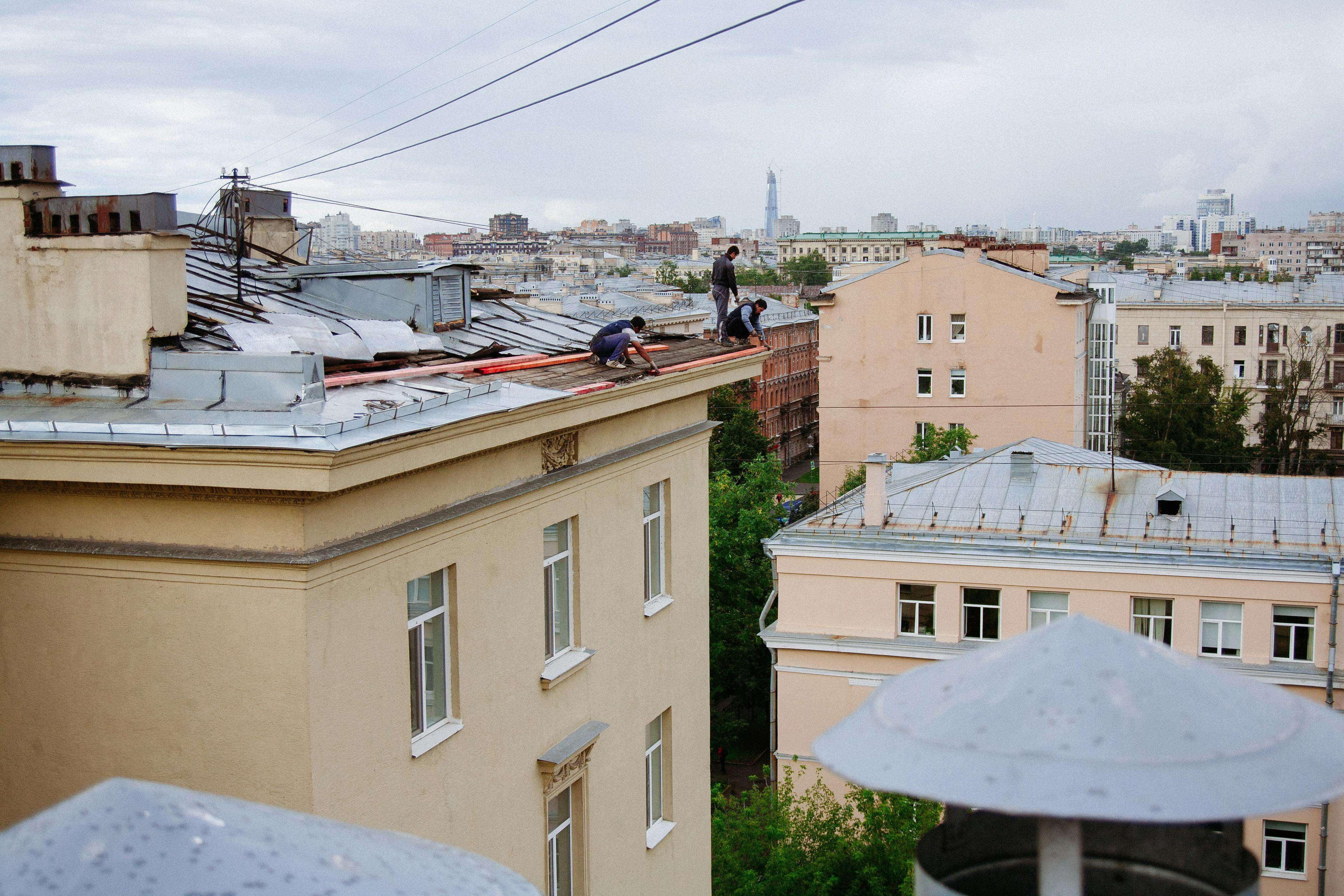
Sandstone tenements. Glasgow’s signature building type is the Victorian and Edwardian sandstone tenement. There are tens of thousands across the city — in the West End, Southside, Dennistoun, Partick, Shawlands and beyond. Blonde and red sandstone facades suffer from weathering, pollution damage, cracked lintels, failed pointing and deteriorating chimney stacks. This cyclical maintenance represents one of the largest and most consistent rope access markets in Scotland. Many tenements sit on busy roads with narrow pavements where scaffold is disruptive and expensive.
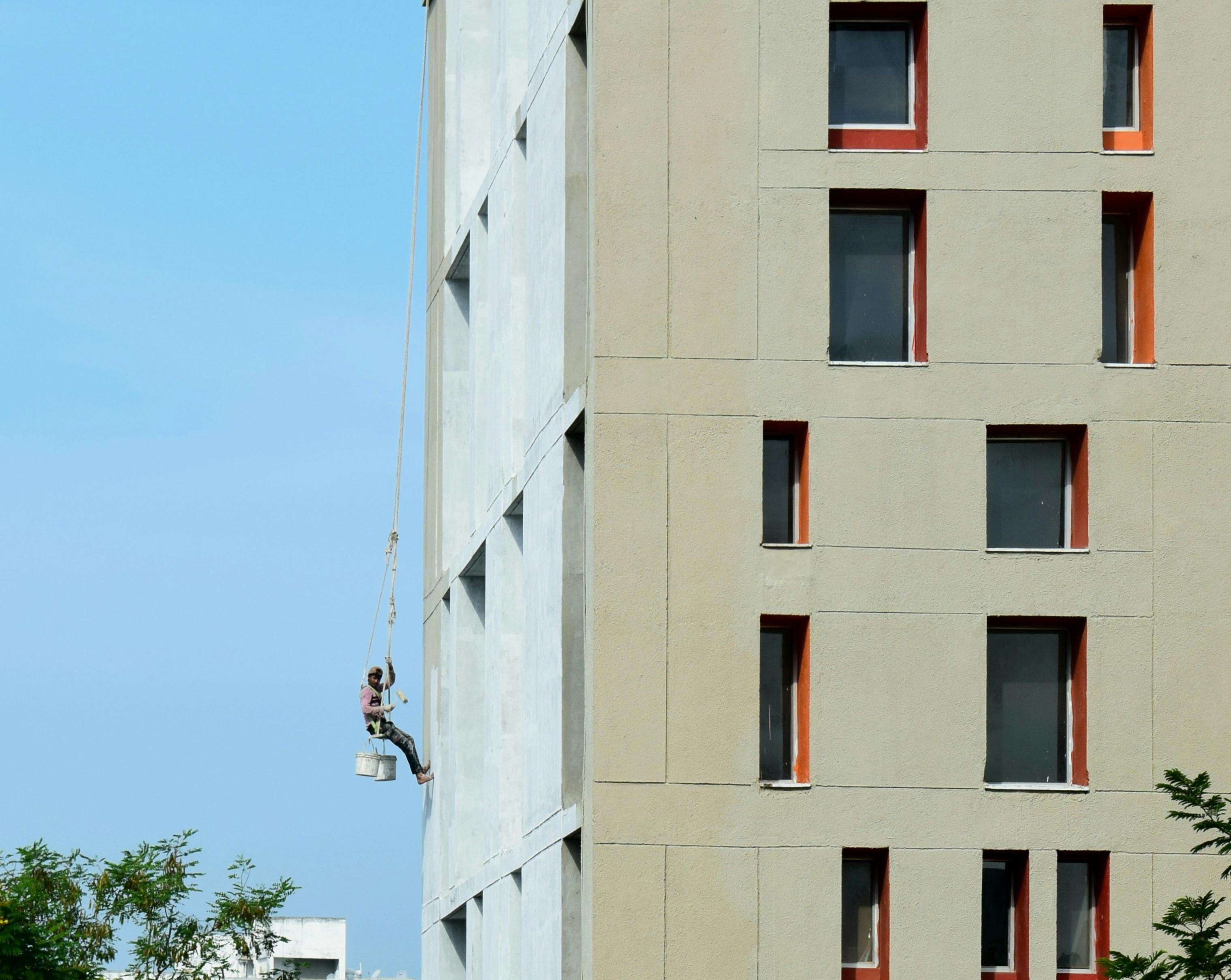
1960s and 70s tower blocks. Glasgow built more high-rise social housing than any other UK city outside London. These concrete towers — across areas like Red Road (now largely demolished), Sighthill, Maryhill, Drumchapel and the Gorbals — require ongoing concrete repair, window replacement, cladding inspection, gutter maintenance and external redecoration. Rope access is the standard method for this work on occupied blocks where scaffold would take months to erect and dismantle.
New-build residential towers. Glasgow’s residential pipeline is the largest in Scotland, with towers along the Clyde waterfront, at Buchanan Wharf, and in the Tradeston and Finnieston areas. These modern glass and cladding facades need regular cleaning, seal maintenance and defect rectification during the warranty period.
Clyde waterfront regeneration. The Clyde has been transformed from shipyard to mixed-use development. The SEC, the OVO Hydro, the Clyde Arc bridge, BBC Scotland at Pacific Quay and the surrounding commercial and residential buildings all require ongoing high-level maintenance. Waterside locations make scaffold foundations more complex — rope access is the practical alternative.
Civic and commercial buildings. George Square’s Victorian civic buildings, Glasgow City Chambers, the Gallery of Modern Art, the Mitchell Library and the commercial buildings along Buchanan Street, St Vincent Street and West George Street all need periodic stonework repair, cleaning, window maintenance and roof access.
Glasgow University and the university sector. The University of Glasgow’s Gothic Revival main building on Gilmorehill is one of the finest examples of the style in Britain. Its towers, spires and ornate stonework require specialist conservation access. Strathclyde University, Glasgow Caledonian and the Glasgow School of Art (under restoration) add further demand across the university sector.
Industrial and shipyard heritage. Glasgow’s industrial legacy — along the Clyde, at Braehead, in the east end and across Lanarkshire — includes steelwork structures, gantry cranes, storage tanks, chimney stacks and heavy plant that require inspection, painting and maintenance by rope access. The BAE Systems shipyard at Scotstoun is an active facility using rope access for vessel construction and dock infrastructure.
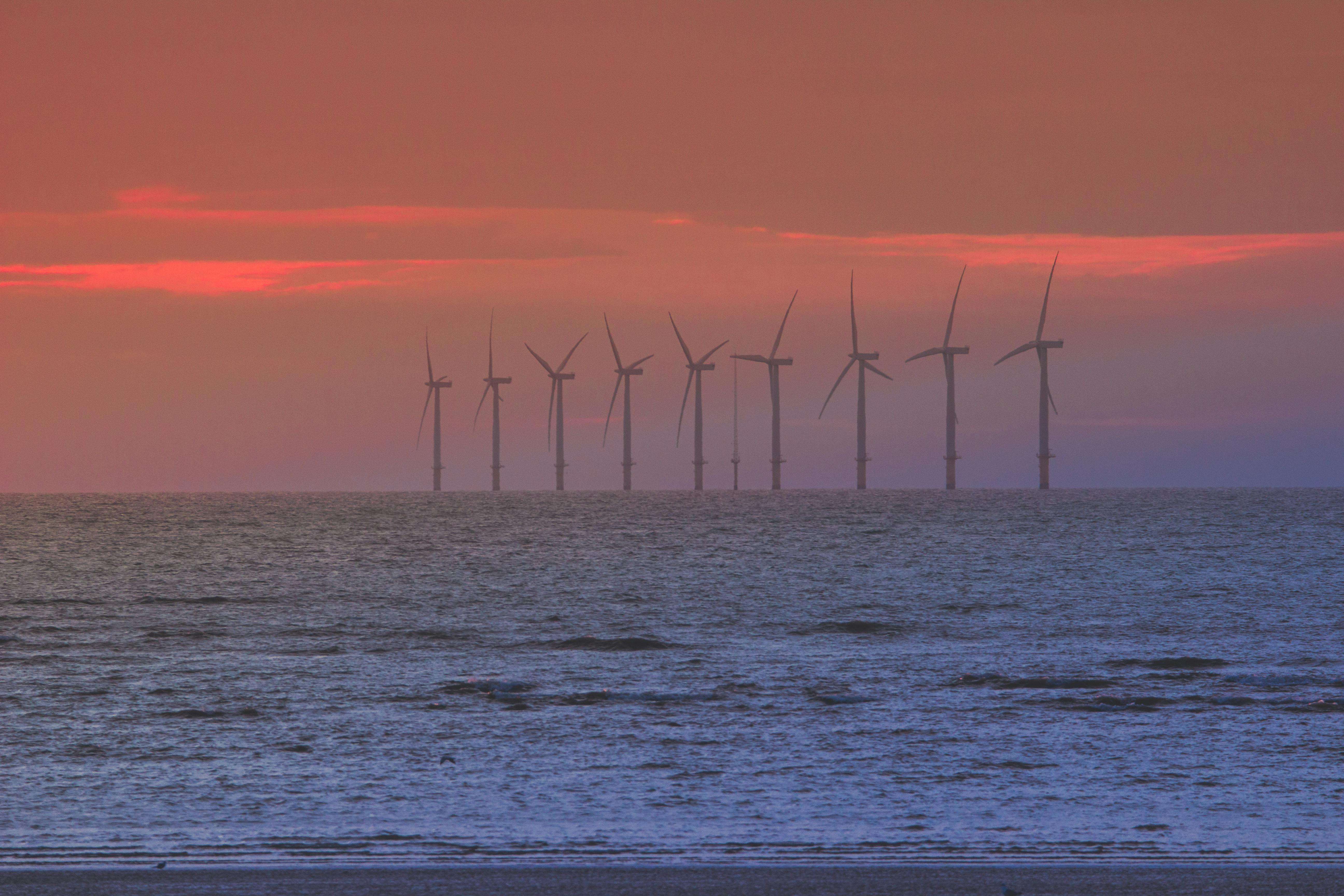
Offshore wind. Glasgow is a major base for Scotland’s west coast offshore wind industry. Rope access technicians based in Glasgow serve wind farm projects in the Firth of Clyde, the Irish Sea and further afield. Blade inspection, repair and maintenance are specialist rope access disciplines with growing demand.
Rope Access vs Scaffolding in Glasgow
Glasgow has specific factors that make rope access the preferred method for most at-height work:
Tenement street constraints. Glasgow’s tenement blocks typically front directly onto the pavement with no setback. Scaffold on these streets narrows or blocks the pavement entirely, requiring pedestrian diversions and council permits. On busy routes like Byres Road, Great Western Road and Victoria Road, this is highly disruptive. Rope access teams work from the roof, keeping the street clear.
Volume of tenement maintenance. The sheer quantity of tenement stonework repair needed across Glasgow means cost efficiency matters. Scaffold erection and dismantle on a four-storey tenement can cost as much as the repair work itself. Rope access eliminates this overhead, making smaller repair programmes financially viable.
Occupied tower blocks. Scaffold around occupied social housing towers creates security concerns, blocks daylight and generates sustained noise from scaffold fitters. Residents in these blocks have limited options to relocate during works. Rope access minimises disruption — teams can work on one elevation at a time without enclosing the building.
West coast weather. Glasgow’s maritime climate means more rain and wind days than most UK cities. Scaffold-based programmes lose significantly more time to weather. Rope access teams can resume work more quickly after weather events and can safely operate in conditions that would halt scaffold work.
Conservation area and listed building controls. The West End, Park Circus, the Merchant City and parts of the city centre are conservation areas with strict planning controls. Scaffold on listed frontages may require conservation officer approval. Rope access is generally permitted without additional consents.
Clyde waterfront access. Buildings adjacent to the Clyde present scaffold foundation challenges on quaysides and riverbanks. Rope access avoids ground-level support structures entirely — particularly relevant for buildings like the SEC, Pacific Quay and Buchanan Wharf.
Common Rope Access Projects in Glasgow
The most frequently requested rope access work across Glasgow and central Scotland includes:
- Sandstone repair and repointing — lintel replacement, indenting, crack stitching, chimney rebuilding and lime mortar repointing on tenement facades across the city
- Concrete repair — spalling concrete, expansion joint replacement and patch repairs on tower blocks and post-war civic buildings
- Facade cleaning — stone cleaning on heritage buildings and curtain wall washing on modern towers
- Cladding inspection and remediation — surveys, cladding replacement and fire-stopping on residential towers
- Window replacement — timber and UPVC window installation on tenement and tower block elevations
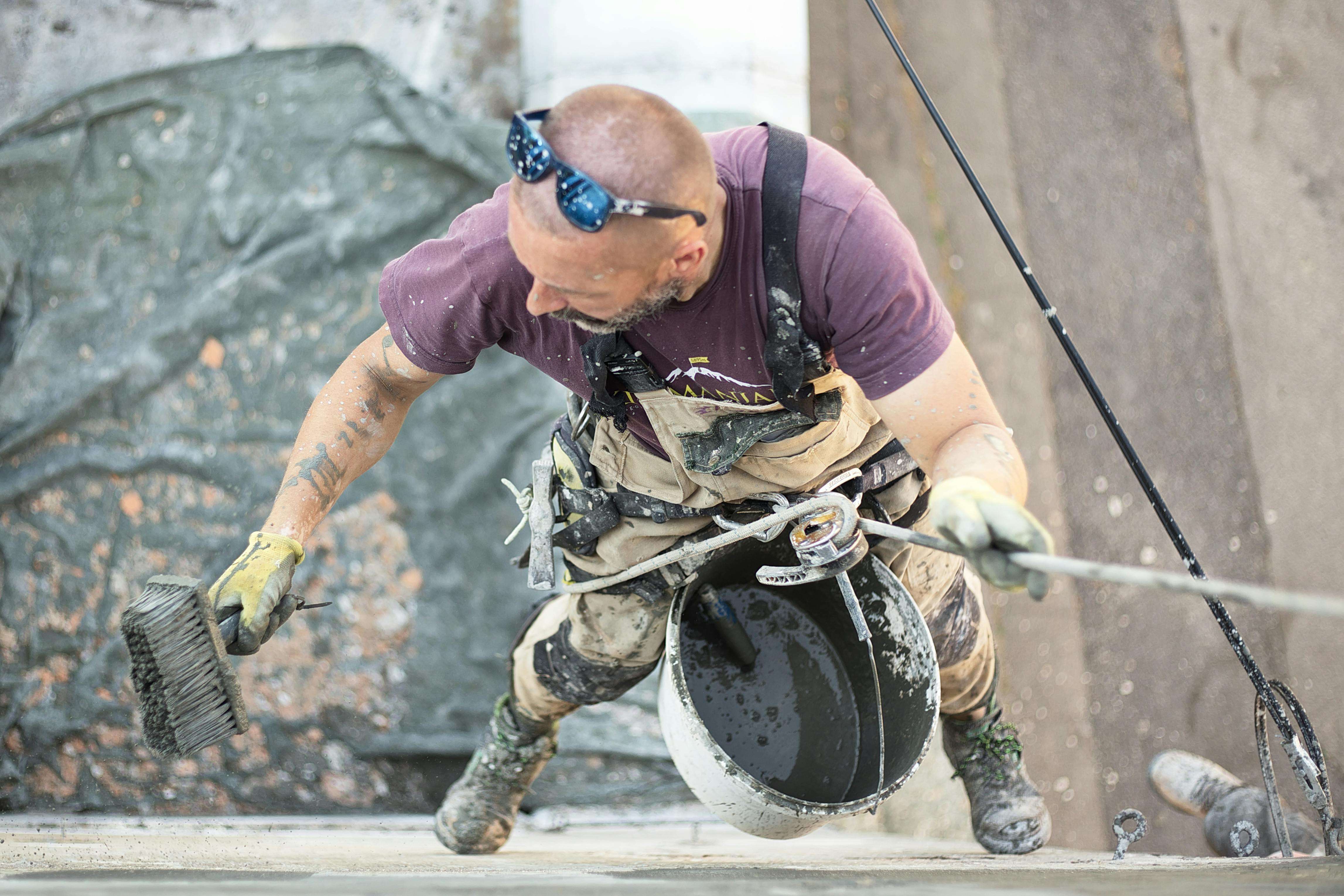
- Industrial painting — protective coatings on structural steelwork, cranes, tanks, bridges and shipyard infrastructure
- Building surveys and condition reports — close-up facade inspection for structural engineers, conservation architects and housing associations
- Offshore wind turbine maintenance — blade inspection, repair, leading edge protection and internal tower access
- Gutter and rainwater goods maintenance — cast-iron and UPVC gutter repair, downpipe replacement and roof drainage clearance on tenements and commercial buildings
- High-level painting and redecoration — external painting on residential blocks, commercial buildings and civic structures
Areas We Cover from Glasgow
Our operators cover Glasgow city centre and the wider central Scotland region. Key areas of activity include Paisley, East Kilbride, Hamilton, Clydebank, Motherwell, Coatbridge, Greenock, Dumbarton, Airdrie and Kilmarnock. We also serve the broader central belt including Stirling, Falkirk, the Clyde coast and towns along the M8, M74 and M77 corridors.