Rope Access Services in Grimsby
Rope access services in Grimsby. Connect with vetted, IRATA-certified rope access operators for offshore wind hub operations, turbine maintenance and industrial access on the Humber.
How It Works
Tell Us What You Need
Fill in our form or give us a call to describe your rope access requirements in Grimsby.
We Match You
We'll connect you with vetted, IRATA-certified rope access operators suited to your project.
Get Your Quotes
Receive no-obligation quotes directly from qualified operators, then choose the right fit for your job.
Grimsby is one of the UK's major offshore wind operations and maintenance hubs, with Orsted, RWE and other operators basing their North Sea operations at the Port of Grimsby. The Humber region hosts the world's largest concentration of offshore wind capacity, and Grimsby is at its centre.
The town's established fishing port infrastructure has been successfully repurposed for the offshore wind sector, creating a thriving cluster of energy service companies and specialist contractors. For rope access operators, Grimsby offers long-term, high-value offshore wind maintenance contracts.
Where Rope Access Is Used in Grimsby
Grimsby is the undisputed capital of UK offshore wind operations and maintenance. The port hosts more offshore wind O&M activity than any other location in the country, and the sector dominates the local rope access market.
Offshore wind O&M bases. Orsted, RWE and SSE Renewables all base their North Sea wind farm operations at the Port of Grimsby. These operators manage hundreds of turbines from Grimsby, with crew transfer vessels departing daily. Rope access is the standard method for turbine blade inspection and repair, tower internal and external maintenance, nacelle access, transition piece work and offshore substation maintenance. The volume of work is substantial and year-round.
Hornsea wind farms. Hornsea One (174 turbines) and Hornsea Two (165 turbines) are among the world’s largest offshore wind farms, operated by Orsted from Grimsby. Hornsea Three is in development. Each turbine requires periodic blade inspection, leading edge erosion repair, bolt torque verification and coating maintenance — all delivered by rope access technicians transferring from Grimsby by CTV or helicopter.
Triton Knoll and Dudgeon. RWE operates the Triton Knoll and Dudgeon wind farms from its Grimsby O&M base. These North Sea arrays generate continuous demand for IRATA-certified technicians with GWO training and offshore medical certification.
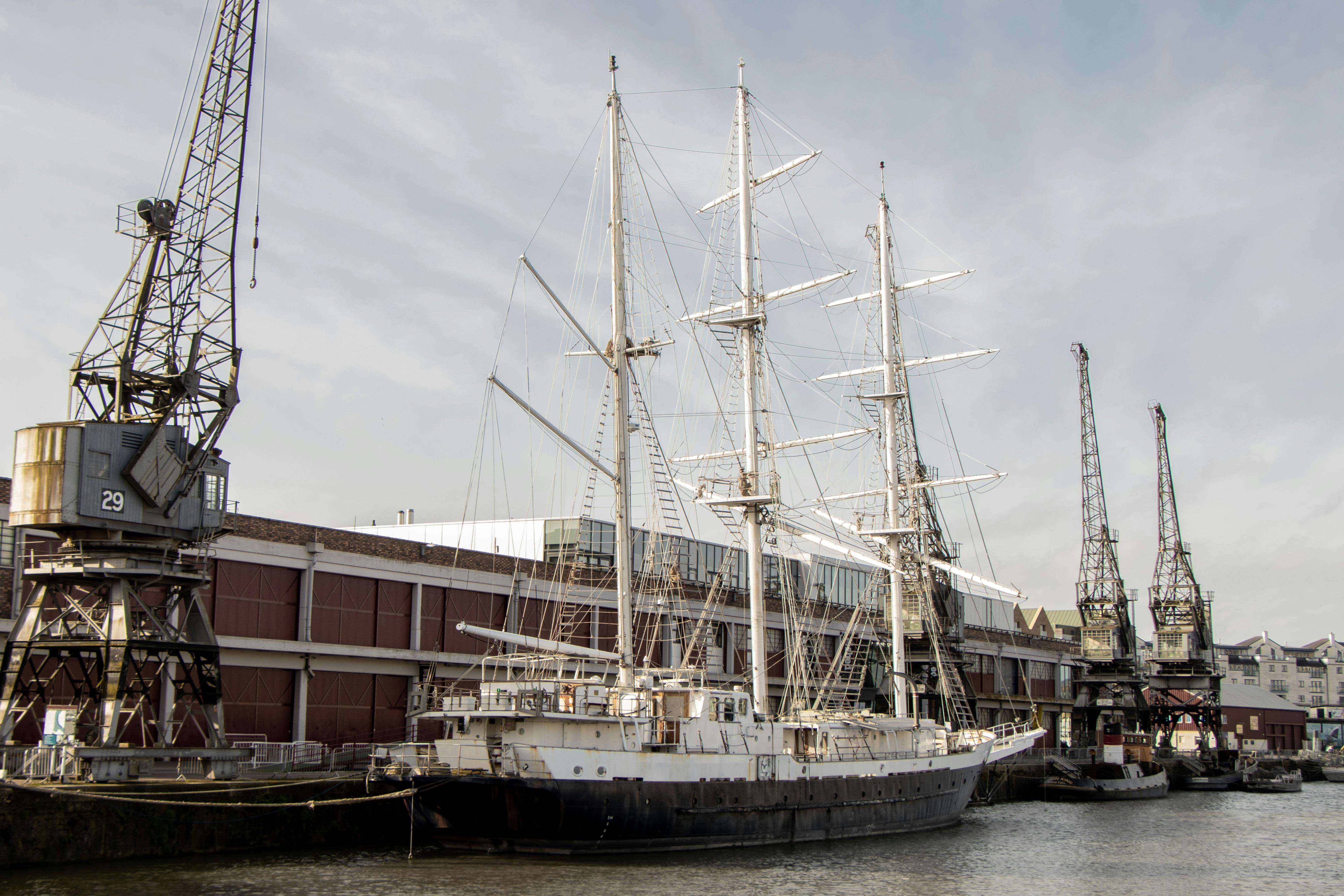
Port of Grimsby infrastructure. The port itself requires ongoing rope access maintenance — dock cranes, quayside structures, lock gates, warehouse buildings and vessel handling equipment. Associated British Ports manages the facility and maintains an active programme of structural inspection and repair.
Immingham port and industrial complex. Adjacent Immingham is the UK’s busiest port by tonnage and hosts oil terminals, chemical storage, power generation and bulk handling facilities. The petrochemical storage tanks, pipe racks and process equipment at Immingham generate significant industrial rope access demand alongside the offshore wind work at Grimsby.
Heritage and commercial buildings. Grimsby’s Victorian and Edwardian architecture, including the Grade I listed Grimsby Dock Tower, the fish dock heritage buildings and town centre commercial properties, requires maintenance — masonry repairs, rainwater goods replacement, roof surveys and facade cleaning. The Ross Group legacy buildings along the dockside are being progressively converted and refurbished.
Rope Access vs Scaffolding in Grimsby
The offshore wind sector and port environment create conditions where rope access is not just preferred but often the only viable method:
Offshore turbine access. There is no practical way to scaffold an offshore wind turbine. The structures stand in open water, exposed to wave action, tidal currents and North Sea weather. Rope access is the industry-standard method for all external turbine maintenance — blade work, tower coating, transition piece repairs and J-tube inspection. This is not a comparison with scaffold; it is the only method that works.
Weather window efficiency. Offshore weather windows in the North Sea are limited and unpredictable. Rope access teams can transfer to a turbine, rig, complete a scope and de-rig within a single weather window. Any method requiring extended setup time would waste weather that should be spent on productive work.
Active port operations. Grimsby and Immingham ports operate around the clock. Scaffold on quayside structures would obstruct vessel berthing, cargo operations and CTV movements. Rope access allows inspection and maintenance to proceed without interfering with port commercial activity.
Multiple turbine mobilisation. A rope access team can service multiple turbines in a single offshore rotation, moving between structures by CTV. Scaffold would need to be erected, used and dismantled on each individual turbine — a logistical impossibility in the offshore environment.
Industrial tank farm access. At Immingham’s storage terminals, scaffold around tanks can obstruct bund access, impede emergency vehicle routes and interfere with loading/unloading operations. Rope access teams work from the tank shell and roof without any ground-level footprint.
Common Rope Access Projects in Grimsby
- Wind turbine blade inspection and repair — leading edge erosion repair, lightning receptor testing, shell crack assessment, blade root bolt inspection and internal structural surveys
- Tower and transition piece maintenance — external coating surveys and touch-up, internal platform and ladder inspection, cable tray maintenance, J-tube and cable entry seal inspection
- Nacelle and hub access — yaw system inspection, pitch bearing surveys, spinner and hub bolt torque checks
- Offshore substation maintenance — external steelwork inspection and painting, cable deck access, boat landing and access system surveys
- Port crane inspection — structural and mechanical inspection of quayside cranes, ship loaders and bulk handling equipment
- Tank inspection — external shell surveys, roof seal replacement, nozzle inspection and cathodic protection checks on storage tanks at Immingham
- Protective coatings — surface preparation and coating application on port infrastructure, industrial steelwork and marine structures
- Heritage building maintenance — masonry repair, repointing, rainwater goods replacement and facade cleaning on Grimsby’s Victorian and Edwardian buildings
Areas We Cover from Grimsby
Our operators cover Grimsby, Cleethorpes, Immingham and the wider North East Lincolnshire area. Coverage extends to Scunthorpe, Lincoln, Hull (across the Humber), Louth and Market Rasen. Offshore teams mobilise daily from Grimsby port to North Sea wind farm installations including Hornsea, Triton Knoll, Dudgeon and other arrays.
Rope Access Services in Grimsby
Key services our operators deliver across Grimsby and the surrounding area.

Wind Turbine Blade Repair in Grimsby
Leading edge erosion repair, lightning receptor testing, shell crack assessment and blade root bolt inspection on Hornsea, Triton Knoll and Dudgeon wind farm turbines.
Learn more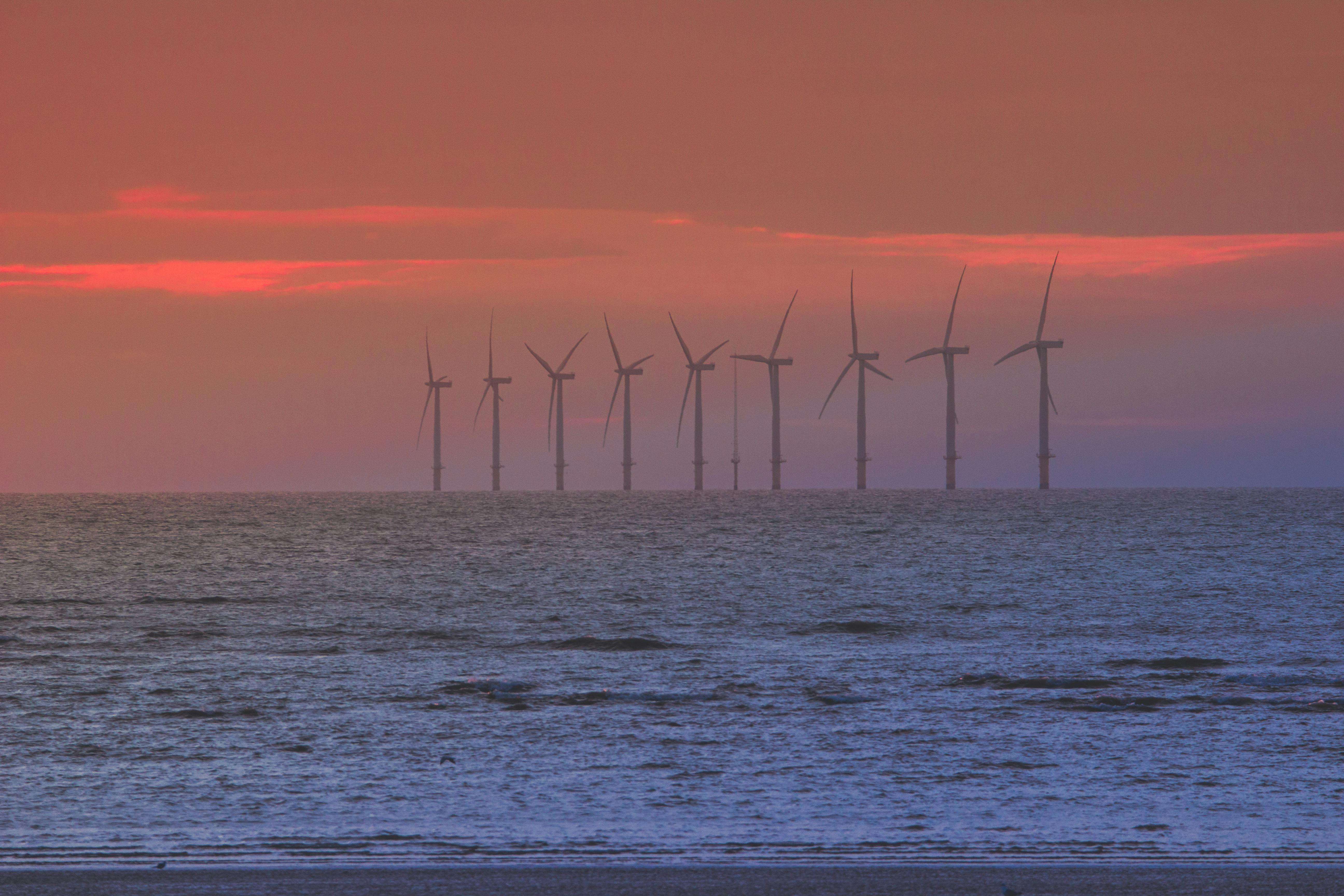
Wind Turbine Maintenance in Grimsby
Tower coating, nacelle and hub access, yaw system inspection, pitch bearing surveys and transition piece maintenance on North Sea turbines serviced from Grimsby.
Learn more Offshore Wind in Grimsby
Offshore substation maintenance, cable deck access, boat landing surveys and the full range of turbine maintenance across the Humber offshore wind cluster.
Learn more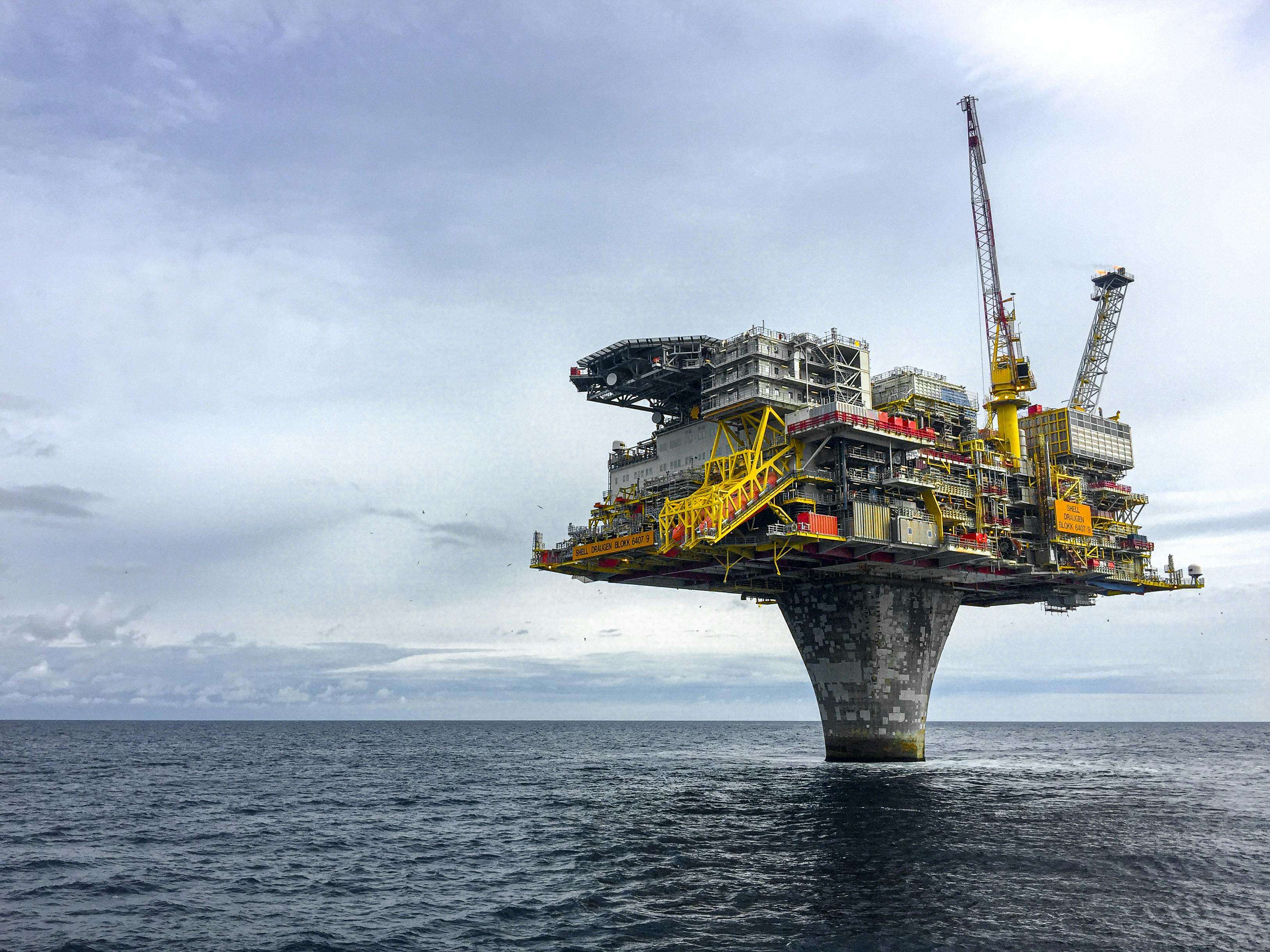
Industrial Inspection in Grimsby
Structural and mechanical inspection of port cranes, ship loaders, bulk handling equipment and petrochemical storage tanks at Immingham.
Learn more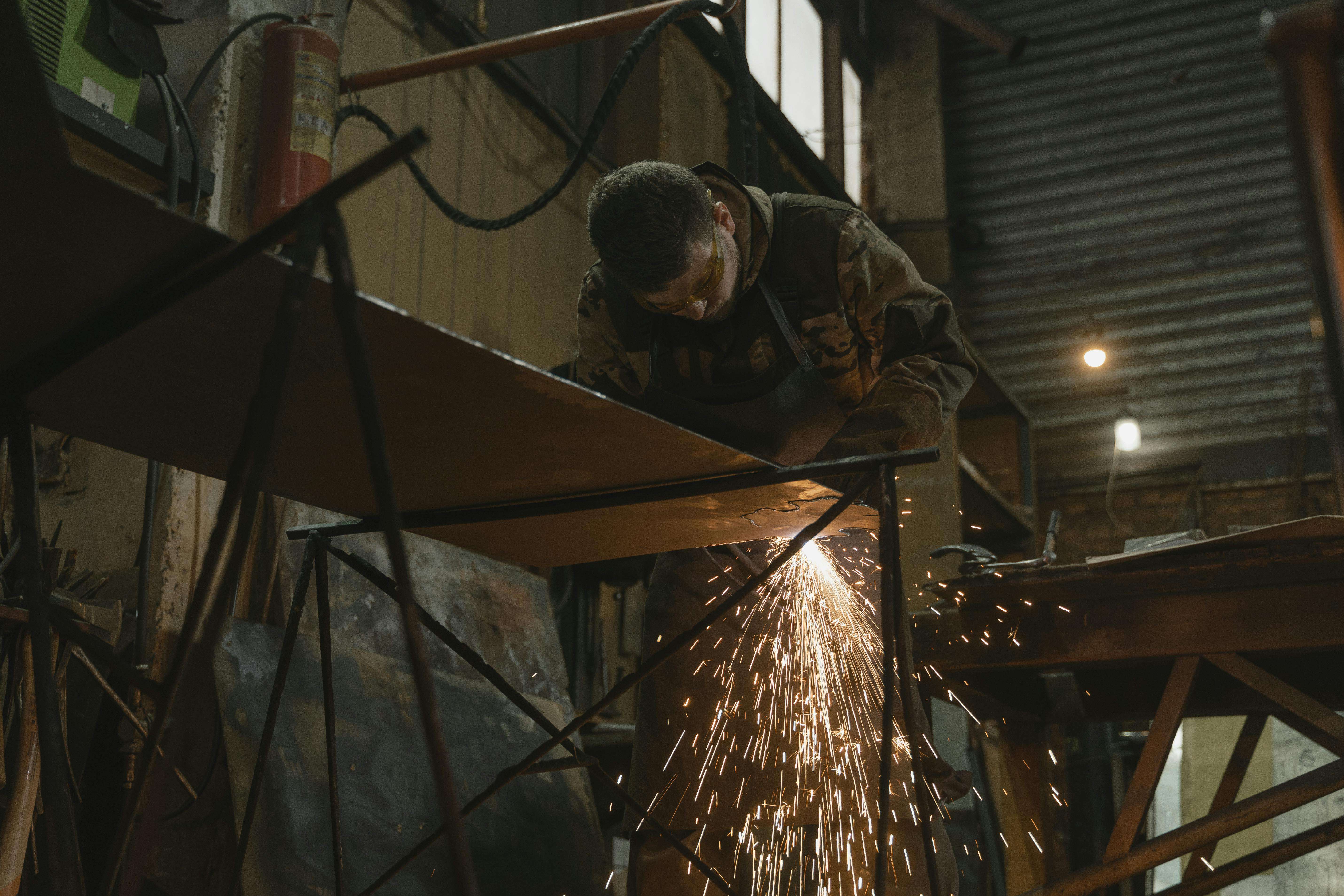
Industrial Painting in Grimsby
Protective coatings on port infrastructure, marine steelwork and the industrial storage tanks and pipe racks at Immingham's oil and chemical terminals.
Learn more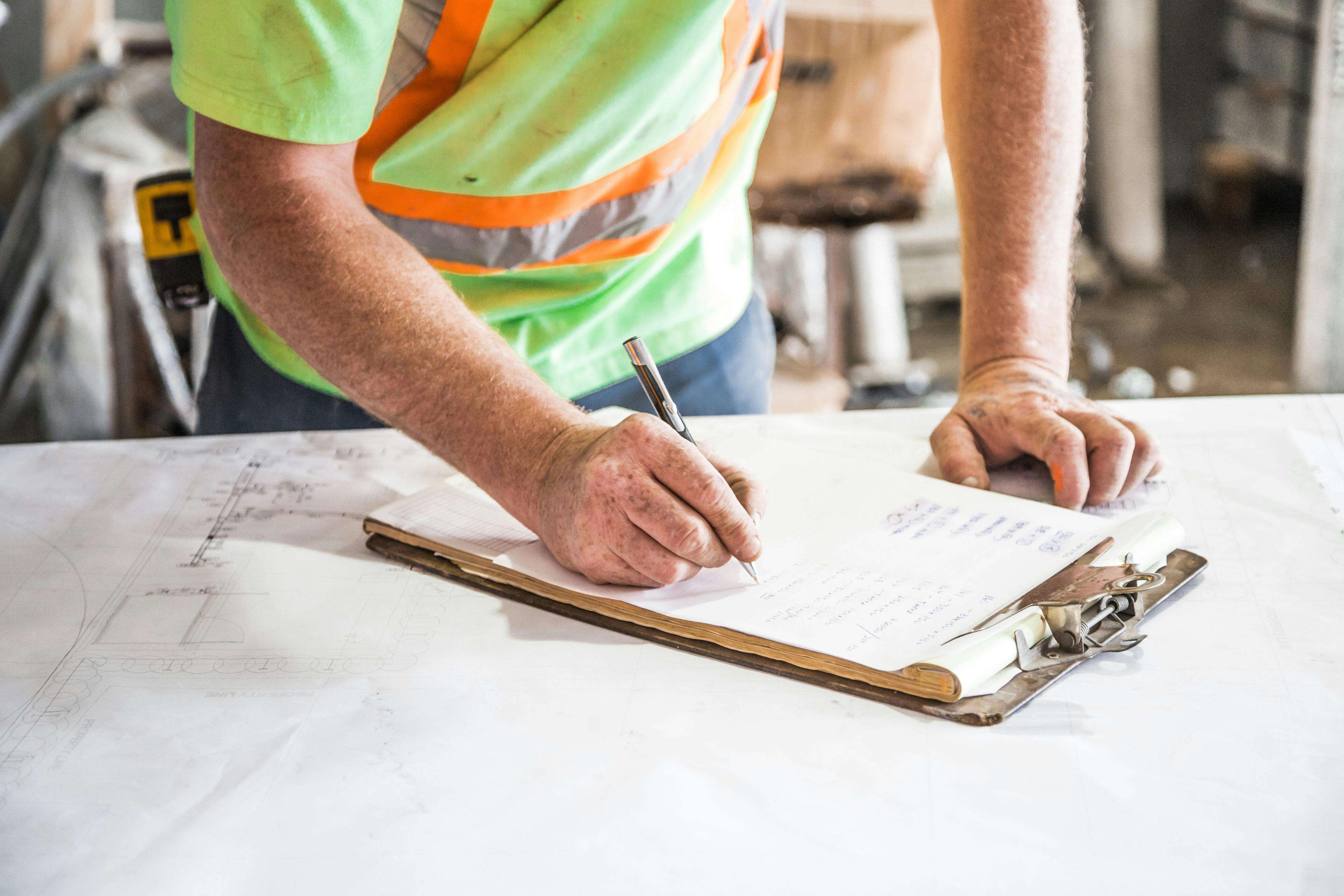
Building Inspection in Grimsby
Close-up surveys on the Grade I listed Grimsby Dock Tower, fish dock heritage buildings and town centre commercial properties.
Learn more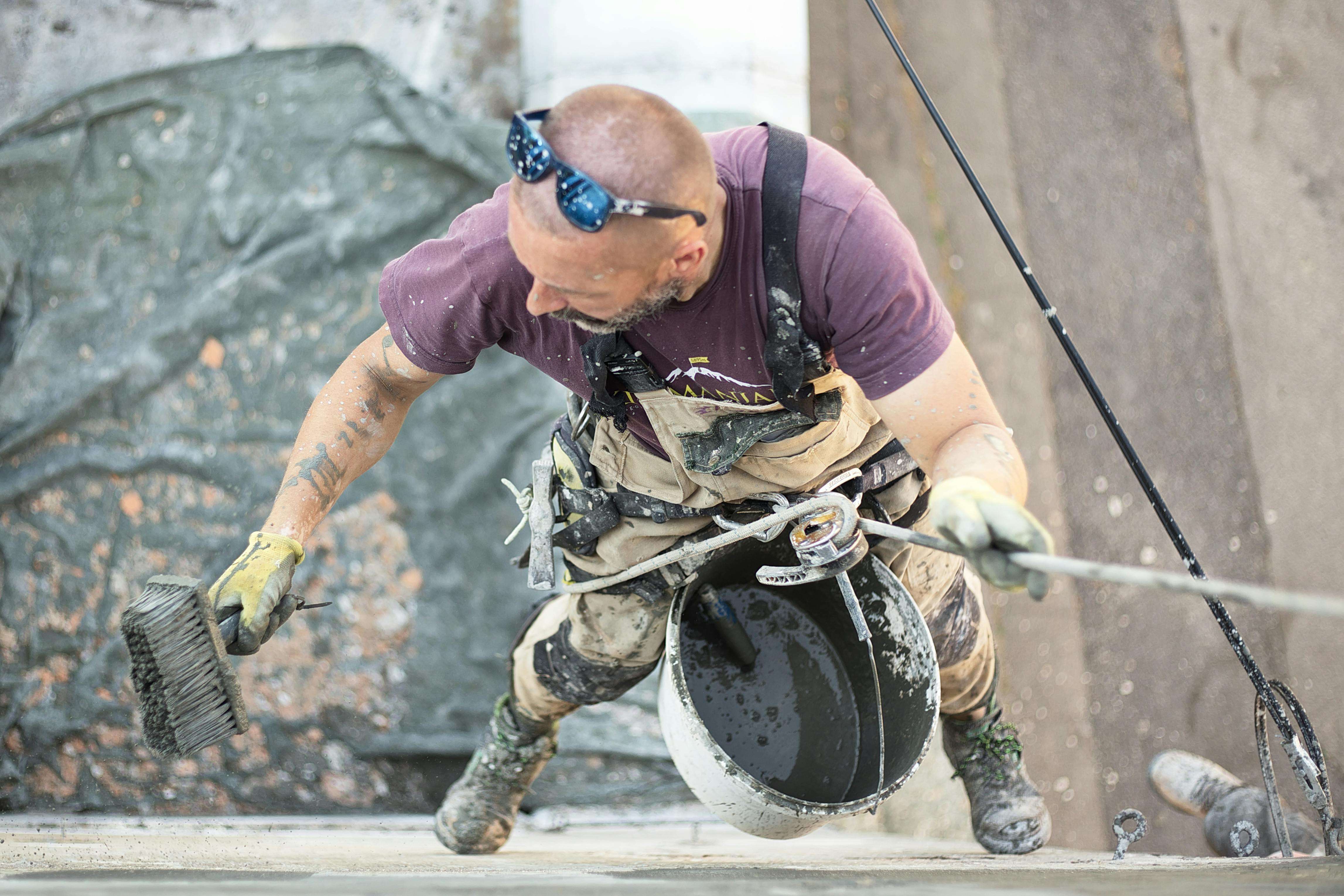
Facade & Cladding Repair in Grimsby
Masonry repairs, repointing and rainwater goods replacement on Grimsby's Victorian and Edwardian dock heritage buildings and town centre commercial properties.
Learn moreArea We Cover
We also serve these nearby areas:
Why Choose Us in Grimsby
Local Operators
We connect you with rope access companies who work regularly across Grimsby and understand the local building stock, access challenges and planning requirements.
Vetted & IRATA-Certified
Every operator in our network is IRATA-certified and vetted for qualifications, insurance and safety record.
No Obligation
Our service is free to use. Get matched with suitable operators, compare quotes and choose with no pressure.
Get Your Free Quote
Ready to get started in Grimsby? Contact ropeaccess.company today for a free, no-obligation quote.