Where Rope Access Is Used in Hull
Hull has undergone a remarkable industrial transformation. The city’s reinvention as a renewable energy manufacturing and operations hub, combined with active port operations, heritage architecture and a major manufacturing base, creates a diverse and growing rope access market.
Siemens Gamesa blade factory, Alexandra Dock. The blade manufacturing facility at Alexandra Dock produces offshore wind turbine blades up to 108 metres long. Rope access technicians are involved in factory overhead crane maintenance, building services access, and quality inspection support within the production hall. The factory’s scale — one of the largest single-span manufacturing buildings in the UK — creates a steady internal demand for at-height work.
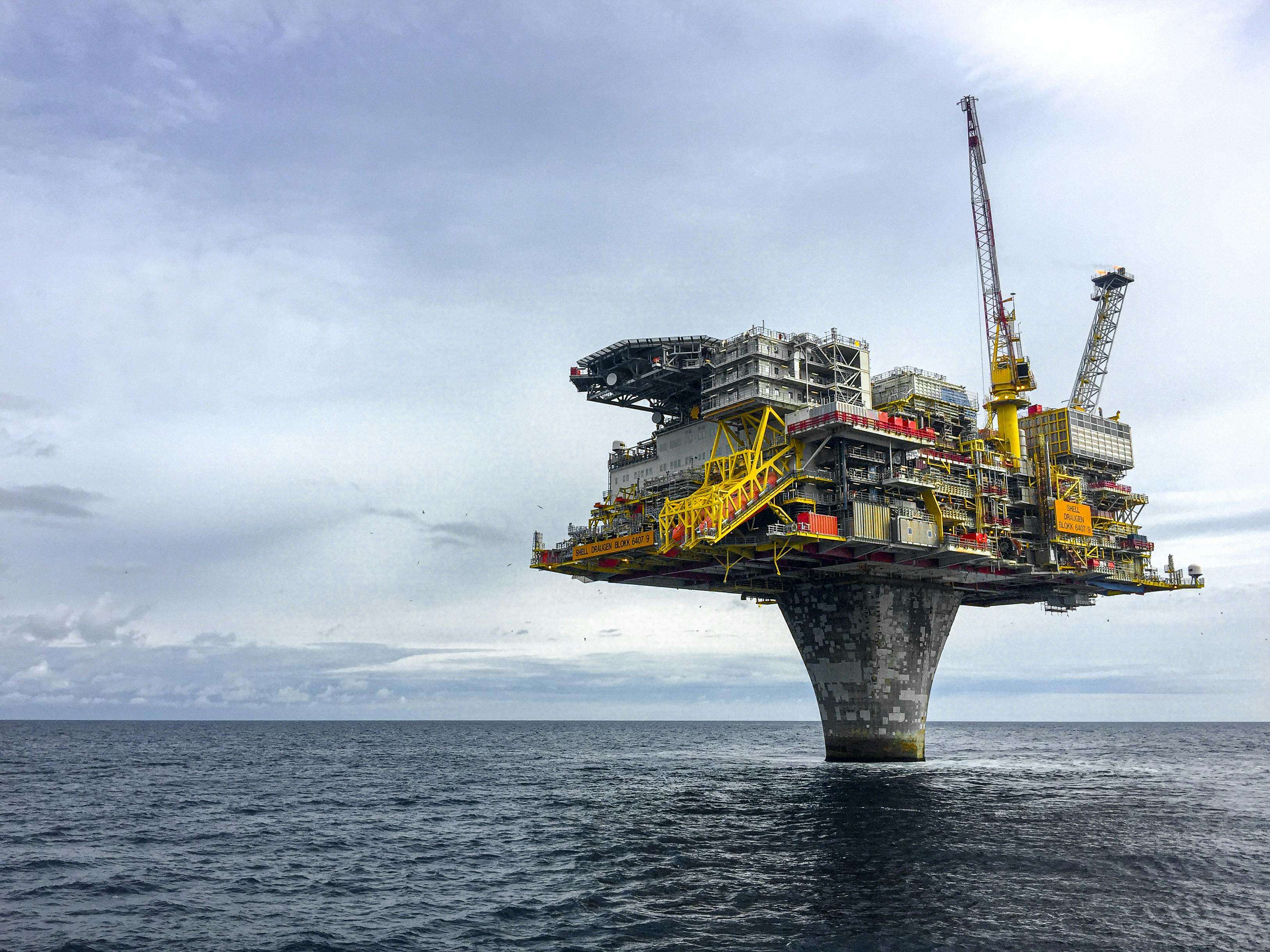
Green Port Hull and offshore wind. The Green Port Hull enterprise zone around Alexandra Dock and King George Dock hosts offshore wind support services, component storage and pre-assembly operations. Rope access is used on quayside infrastructure, jack-up vessel mobilisation support, blade handling equipment and transition piece pre-commissioning work. Hull is a primary mobilisation point for Humber offshore wind farm operations.
ABP port operations. Associated British Ports operates Hull’s extensive dock system. Port cranes, quayside structures, lock gates, dolphin piles, warehouse roofing and dock wall maintenance all require rope access. The port handles bulk cargo, timber, steel and project cargo for the energy sector.
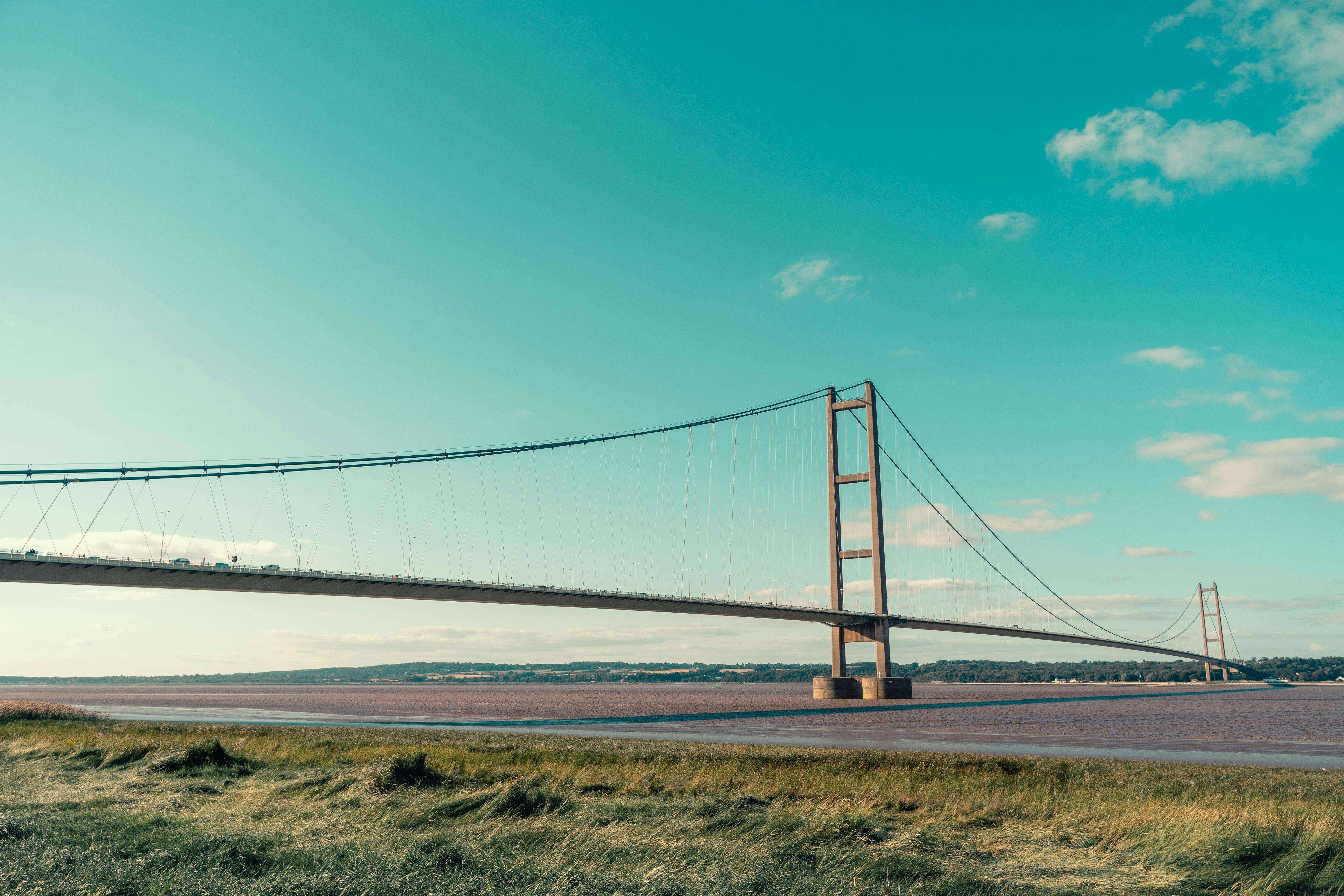
Humber Bridge. The 2.2 km suspension bridge is one of the longest single-span bridges in the world. Its main cables, suspender ropes, deck steelwork, tower structures and anchorage chambers all require regular inspection and maintenance by rope access. The bridge’s scale and exposed location over the Humber estuary make it one of the most demanding civil infrastructure rope access sites in the UK.
Manufacturing facilities. Hull retains a significant manufacturing base. Reckitt Benckiser’s global headquarters and manufacturing complex, Smith & Nephew’s medical devices production facility, and various food processing plants all generate rope access requirements for building maintenance, process equipment access and roof work.
City centre and Old Town heritage. Hull’s Old Town contains Grade I and II listed buildings dating back centuries. The Minster, the Guildhall, Wilberforce House and the surrounding merchant quarter require sensitive maintenance — masonry repointing, rainwater goods repair, stained glass protection and roof surveys. The ongoing city centre regeneration programme is also generating facade cleaning, signage installation and building refurbishment scopes.
Rope Access vs Scaffolding in Hull

Hull’s mix of wind industry, port infrastructure and heritage buildings creates a range of scenarios where rope access is the clear advantage:
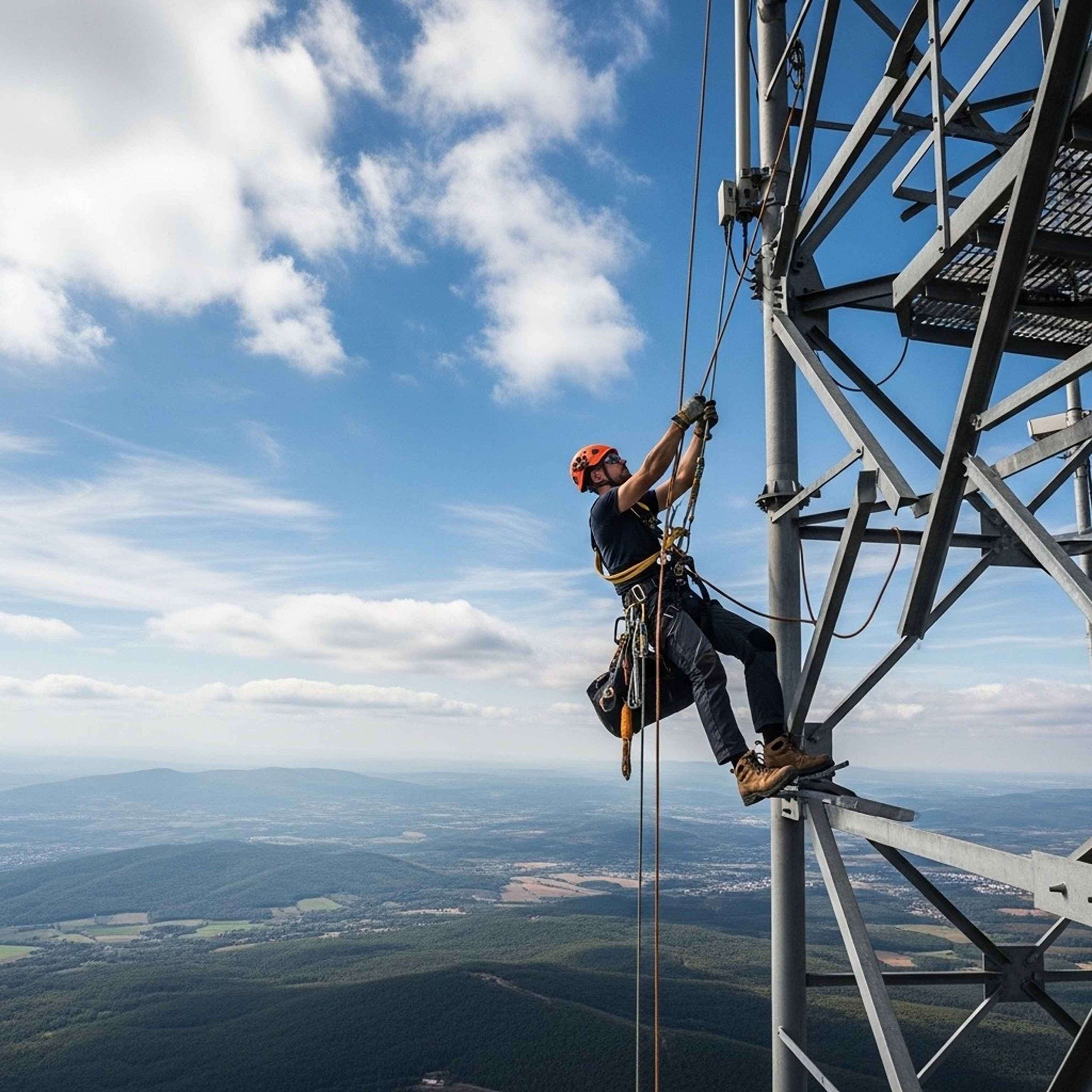
Offshore wind mobilisation speed. Offshore wind maintenance operates around weather windows and vessel availability. When a crew transfer vessel is booked and a weather window opens, the rope access team needs to mobilise immediately. There is no time to erect scaffold — and no meaningful way to scaffold offshore turbine structures. Rope access is the standard industry method for offshore wind turbine maintenance.
Active port operations. Hull’s docks handle commercial shipping on a daily basis. Erecting scaffold on quayside infrastructure would obstruct vessel berthing, cargo handling and port traffic. Rope access allows inspection and repair work to proceed alongside normal port operations with minimal disruption.
Heritage building sensitivity. Listed buildings in Hull’s Old Town cannot accept scaffold fixings without conservation officer approval, which can take weeks. Rope access avoids the need for any fixings to historic fabric and eliminates the risk of masonry damage from tie holes — critical on buildings where original brickwork and stonework must be preserved.
Factory production continuity. Manufacturing facilities like Reckitt Benckiser and Smith & Nephew run continuous production. Internal scaffold erection would interrupt production lines and require extensive clean-room or hygiene protocol compliance. Rope access teams can carry out overhead maintenance during short production breaks without the extended disruption of scaffold installation.
Humber Bridge access constraints. The bridge cannot be closed to traffic for scaffold erection. All inspection and maintenance must be carried out while the bridge remains operational, using rope access from the deck, towers or main cables. The exposed environment over the estuary makes scaffold impractical in any case.
Common Rope Access Projects in Hull
- Wind turbine blade inspection and repair — leading edge erosion repair, lightning strike damage assessment, blade shell surveys and internal structural inspection on offshore and onshore turbines
- Wind turbine tower and nacelle access — bolt torque checks, coating touch-up, internal platform and ladder inspection, yaw system maintenance
- Port crane inspection — visual and NDT surveys on quayside container cranes, mobile harbour cranes and bulk handling equipment
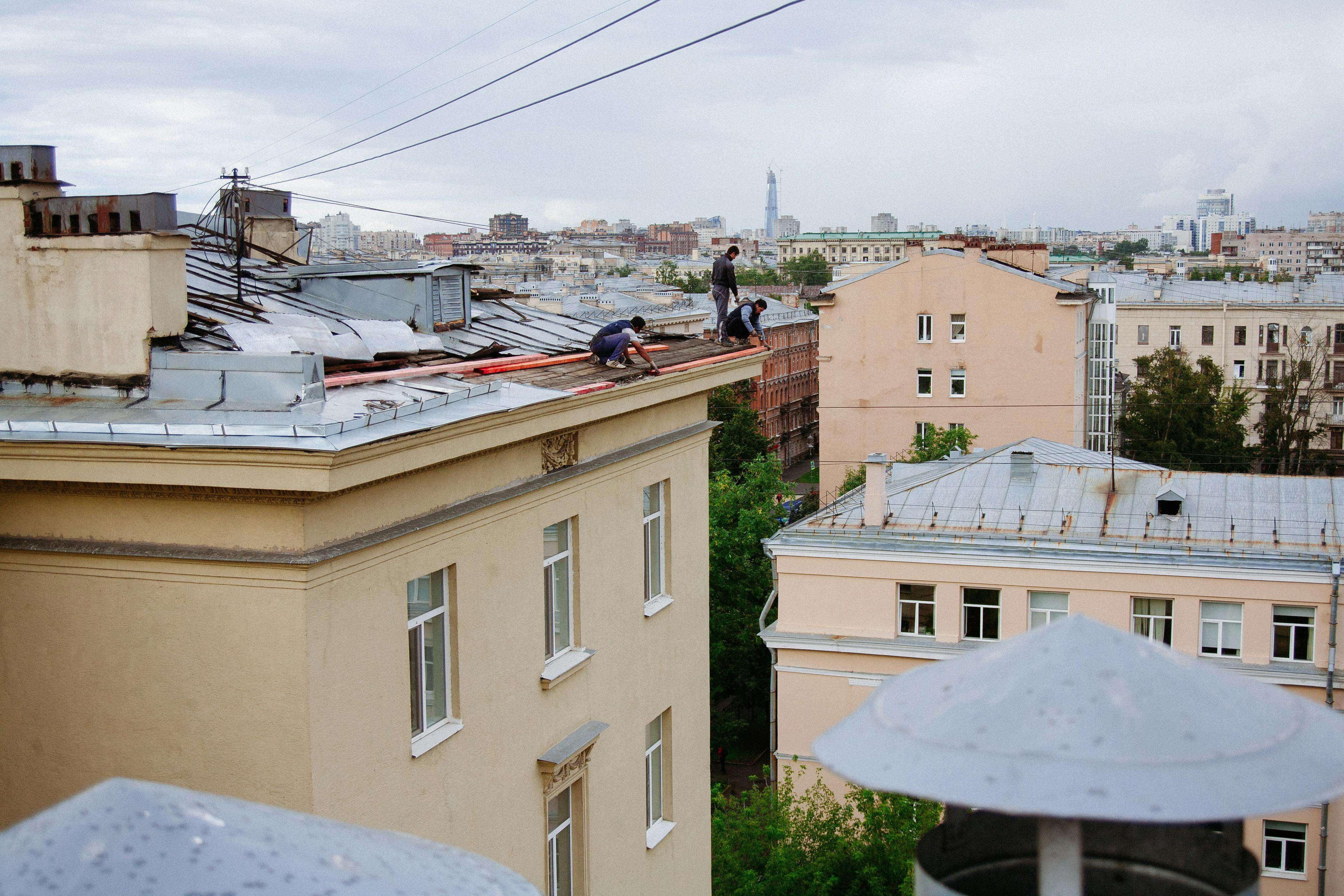
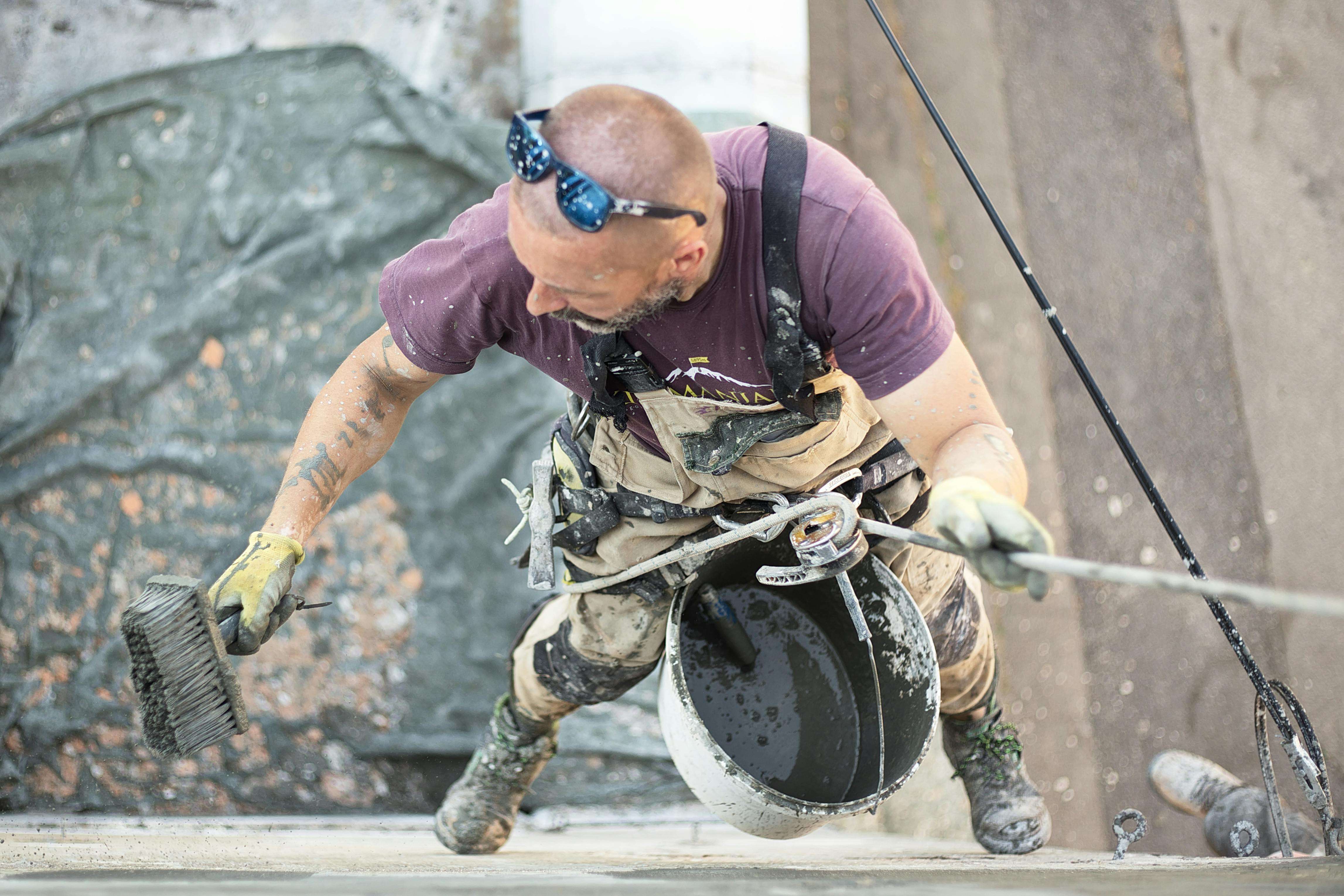
- Facade maintenance — brick and stone repointing, render repair, rainwater goods replacement and window refurbishment on heritage and commercial buildings
- Building surveys — rope access close-up inspection for condition reports on commercial, industrial and heritage properties
- Protective coatings — blast preparation and painting of port infrastructure, bridge steelwork and industrial structural steel
- Roof and cladding work — sheeting replacement, gutter repair and roof surveys on industrial and commercial buildings across Hull
- Confined space entry — tank and vessel inspection at manufacturing sites and port facilities
Areas We Cover from Hull
Our operators cover Hull city centre, the docks, Alexandra Dock, King George Dock and the surrounding industrial areas. Coverage extends to Beverley, Cottingham, Hessle, Brough, Goole, Bridlington and across the East Riding of Yorkshire. Offshore teams mobilise from Hull to Humber wind farm installations. We also cover Grimsby and Scunthorpe across the south bank of the Humber.