Rope Access Services in London
Rope access services in London. Connect with vetted, IRATA-certified rope access operators for high-rise building maintenance, facade cleaning, inspection and repairs across the capital.
How It Works
Tell Us What You Need
Fill in our form or give us a call to describe your rope access requirements in London.
We Match You
We'll connect you with vetted, IRATA-certified rope access operators suited to your project.
Get Your Quotes
Receive no-obligation quotes directly from qualified operators, then choose the right fit for your job.
London is the dominant market for rope access services in the UK. With 542 high-rise buildings completed between 2020 and 2025 and a further 322 in the pipeline, demand for skilled IRATA-certified rope access technicians has never been higher across the capital.
From the glass towers of Canary Wharf to heritage facades in Westminster, London's built environment presents an extraordinary range of access challenges. Rope access offers a cost-effective, low-disruption alternative to traditional scaffolding — critical in a city where road closures and pavement occupation carry steep costs and complex permits.
Where Rope Access Is Used in London
London’s building stock is extraordinarily varied, and rope access is used across virtually every sector:
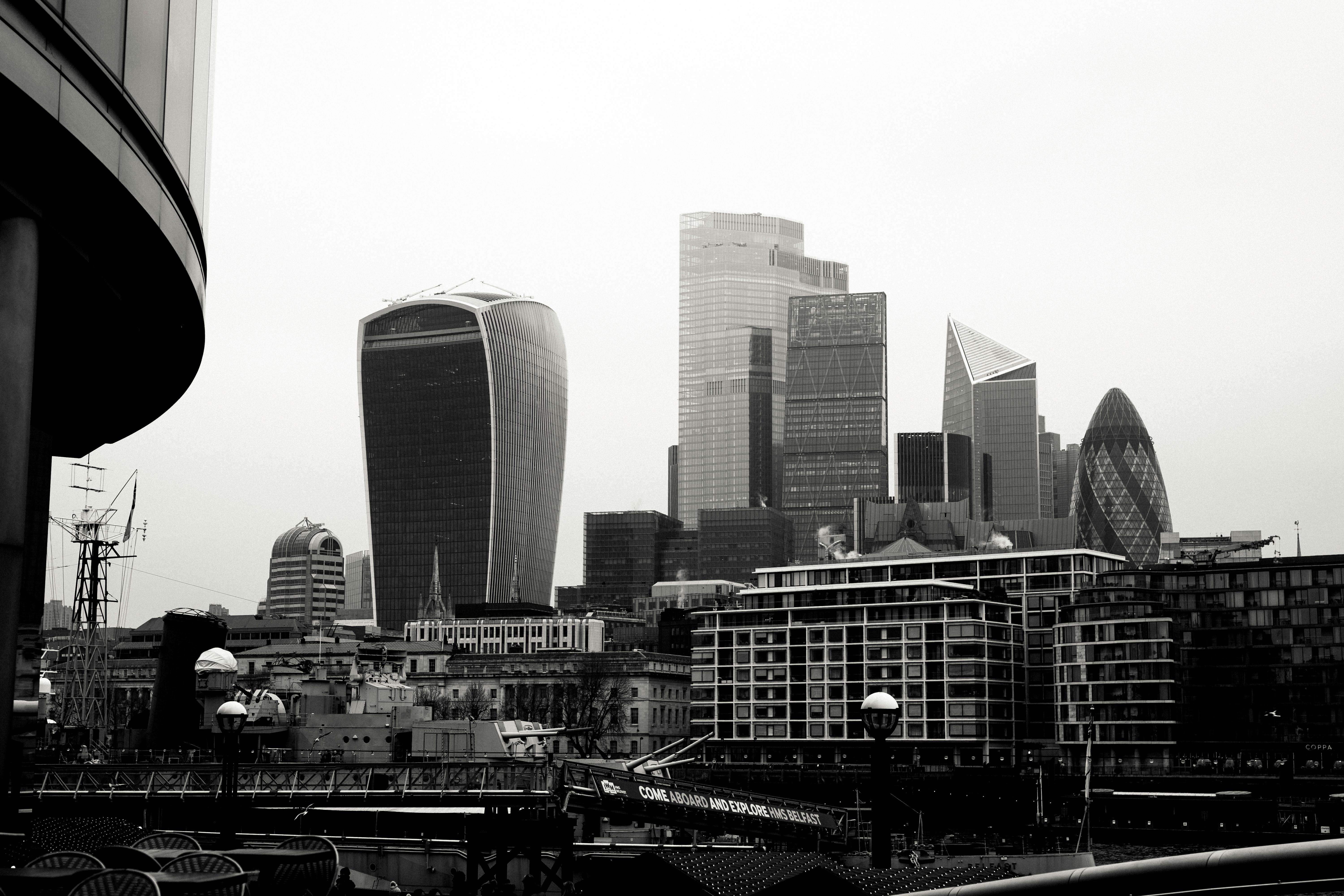
Commercial high-rises and office towers. The glass-clad towers of Canary Wharf, the City of London and Nine Elms require regular facade cleaning, curtain wall seal replacement and glazing inspections. Many of these buildings have BMU (building maintenance unit) cradle systems, but rope access fills the gaps — complex geometry, parapet overhangs, and areas the cradle simply cannot reach.
Residential towers. London’s post-2017 cladding inspection programme has driven huge demand. Hundreds of residential blocks above 18 metres require External Wall System (EWS1) surveys, ACM cladding removal and replacement. Rope access is the default method — faster and far less disruptive to residents than full scaffold wraps.
Heritage and listed buildings. Westminster, Kensington, Camden and the City are dense with Grade I and Grade II listed structures. Stucco repair, stone cleaning, chimney stabilisation, roof surveys and rainwater goods maintenance on these buildings often requires conservation-area planning consent — and scaffold on a listed facade can itself trigger additional permissions. Rope access avoids that issue entirely.
Infrastructure. Bridge inspection and maintenance across the Thames crossings, railway structures and TfL assets. Rope access is routinely used for confined-space entry on bridge bearings, soffit inspections and painting of structural steelwork.
Hospitals, universities and occupied buildings. Sites like Guy’s Hospital tower, UCL’s Bloomsbury campus and the Barbican estate need maintenance carried out with minimal disruption to daily operations. Rope access teams can work on a single elevation without blocking entrances, fire escapes or windows.
Rope Access vs Scaffolding in London
London has specific factors that make rope access the obvious choice for most at-height work:
Pavement licence costs. Westminster City Council charges among the highest pavement occupation fees in the country. A scaffold on a busy West End street can cost thousands in licence fees alone before a single repair is made. Rope access eliminates that cost entirely.
Road closures and traffic management. Erecting scaffold on a main road typically requires a TfL lane closure permit, traffic management plans and night-time working. Rope access teams can mobilise with a van and set up from the roof with no ground-level footprint.
Planning restrictions in conservation areas. In areas like Mayfair, Belgravia, Marylebone and the City of London conservation zones, scaffold on a building frontage may need planning consent. Rope access is generally permitted without additional approvals, cutting weeks from project timescales.
Speed and programme. A scaffold erection and dismantle on a mid-rise London building can take 2–3 weeks either side of the work. Rope access teams are typically on-site and working within a day of mobilisation — critical when building managers need reactive repairs to leaking facades or storm damage.
Occupied buildings. Scaffold around an occupied residential block creates security concerns (climb access to upper floors), blocks natural light and triggers resident complaints. Rope access avoids all three.
Common Rope Access Projects in London
The most frequently requested rope access work across the capital includes:
- Facade cleaning and restoration — both modern curtain wall systems and traditional stone, brick and stucco facades
- Cladding inspection and remediation — EWS1 surveys, ACM removal and overcladding on residential towers
- Concrete repair — spalling concrete on post-war housing estates, brutalist structures and car parks is a growing market
- Glazing replacement — failed double-glazed units, cracked panels and seal replacements on high-rise facades
- Waterproofing — expansion joint repairs, sealant renewal and weatherproofing on commercial buildings
- Building surveys and condition reports — close-up inspection access for structural engineers and surveyors
- Lightning protection — installation, testing and repair of lightning conductor systems
- Signage — installation and maintenance of building signage, particularly on commercial towers
- Heritage restoration — stone repair, lime mortar repointing, decorative plasterwork and roof leadwork on listed buildings
Rope Access Across London’s Boroughs
We work in every corner of the capital. The type of rope access work shifts noticeably as you move between boroughs — each area has its own building stock and its own access challenges.
North London. Camden and Islington are dominated by Georgian and Victorian terraces where chimney stabilisation, stucco repair and cast iron gutter maintenance keep rope access teams busy year-round. Further out, Barnet, Enfield and Haringey have a growing number of mid-rise residential developments requiring facade cleaning and cladding surveys. Whetstone, Muswell Hill and Crouch End are typical of the conservation-heavy suburbs where scaffold on a period frontage draws immediate objections — rope access avoids the issue entirely. Finsbury Park and Holloway have seen significant new-build activity, adding curtain wall maintenance to the mix.
South London. Southwark and Lambeth are two of the busiest boroughs for rope access — the cluster of towers around Elephant and Castle and the South Bank, combined with large post-war housing estates in Brixton, Peckham and Camberwell, generates steady demand for both commercial facade work and residential concrete repair. Lewisham, Croydon and Bromley have substantial social housing stock where balcony repairs and EWS1 assessments are ongoing. Loughborough Junction, Herne Hill and Dulwich sit in the transition zone between high-rise inner city and low-rise suburban conservation — work here ranges from tower block cladding remediation to listed building stonework.
East London. Tower Hamlets and Newham are the epicentre of London’s high-rise construction boom. Canary Wharf, Stratford, the Royal Docks and Barking Riverside are adding thousands of new glazed facades that will need cleaning and maintenance for decades. Hackney and Bow have a different character — converted warehouses, Victorian estates and new mid-rise schemes create a varied workload. Walthamstow, Leyton and Ilford are seeing rapid densification, with rope access increasingly specified on buildings that five years ago would have been scaffolded as a matter of course.
West London. Kensington and Chelsea, Hammersmith and Fulham, and Ealing form the core of West London’s rope access market. The white stucco terraces of Kensington, Notting Hill and Holland Park require specialist stone cleaning and decorative plasterwork repair. Hammersmith’s riverside developments and the regeneration around Old Oak Common are adding commercial high-rise work. Further west, Hounslow, Brentford and Richmond have a mix of heritage properties and modern office parks along the Great West Road corridor. Acton, Shepherd’s Bush and Chiswick sit between the two — period residential stock alongside new mixed-use schemes.
Central London. The City of London and Westminster remain the single largest concentration of rope access work in the UK. The Square Mile’s commercial towers require constant facade maintenance, while Westminster’s listed buildings, government estates and West End theatres demand the most careful heritage access work in the country. Mayfair, Marylebone, Soho and Covent Garden are dense with period properties where scaffold licence costs alone can exceed the cost of the actual repair — rope access is the default method for any at-height work in these areas.
Areas We Cover Beyond London
Our operators cover the wider South East alongside every London borough. We regularly work the commuter belt including Reading, Slough, Watford, Chelmsford and towns along the M25 corridor.
Rope Access Services in London
Key services our operators deliver across London and the surrounding area.
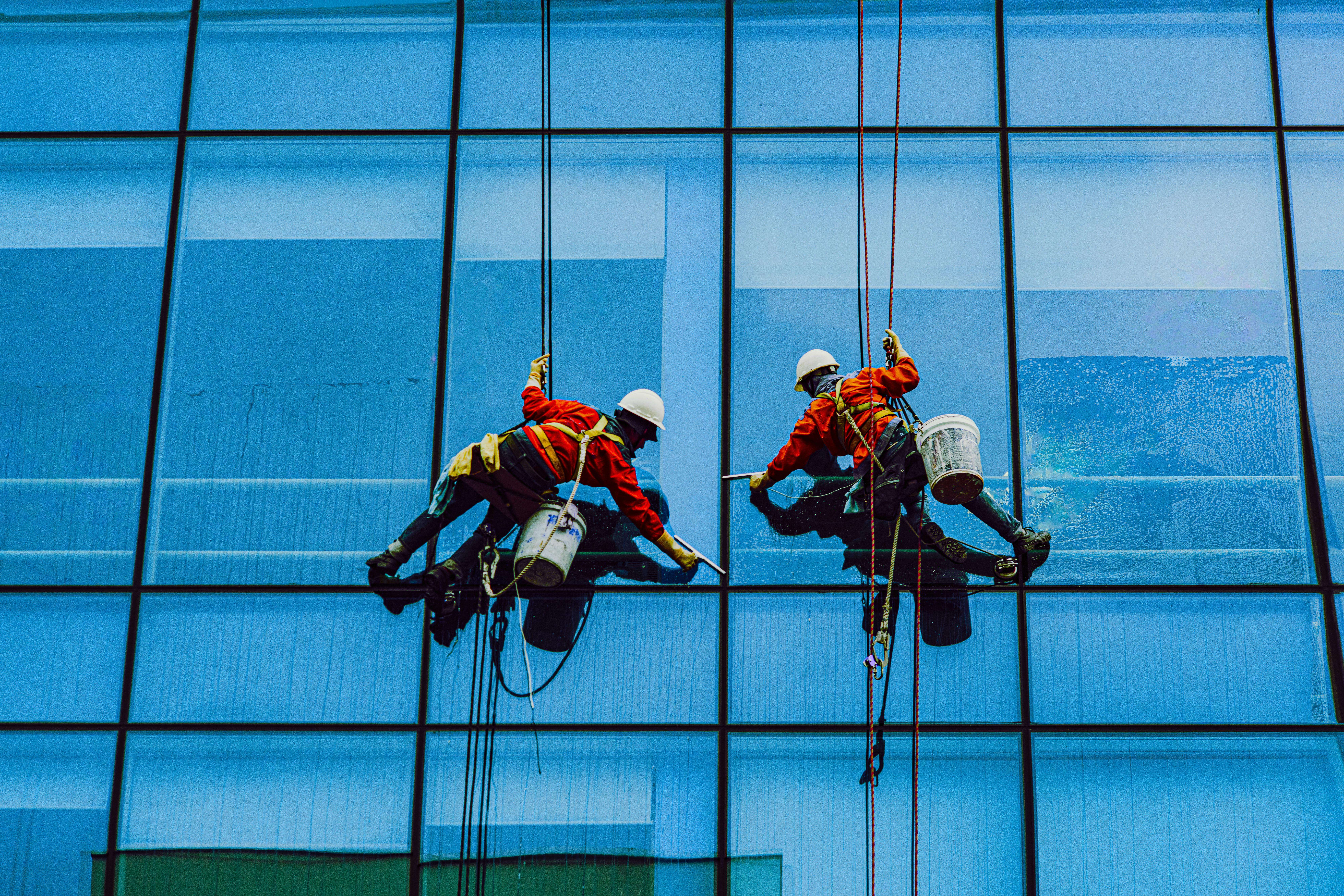
Window Cleaning in London
High-rise facade cleaning on the glass towers of Canary Wharf, the City and Nine Elms, plus period sash window cleaning on heritage buildings across Westminster and Kensington.
Learn more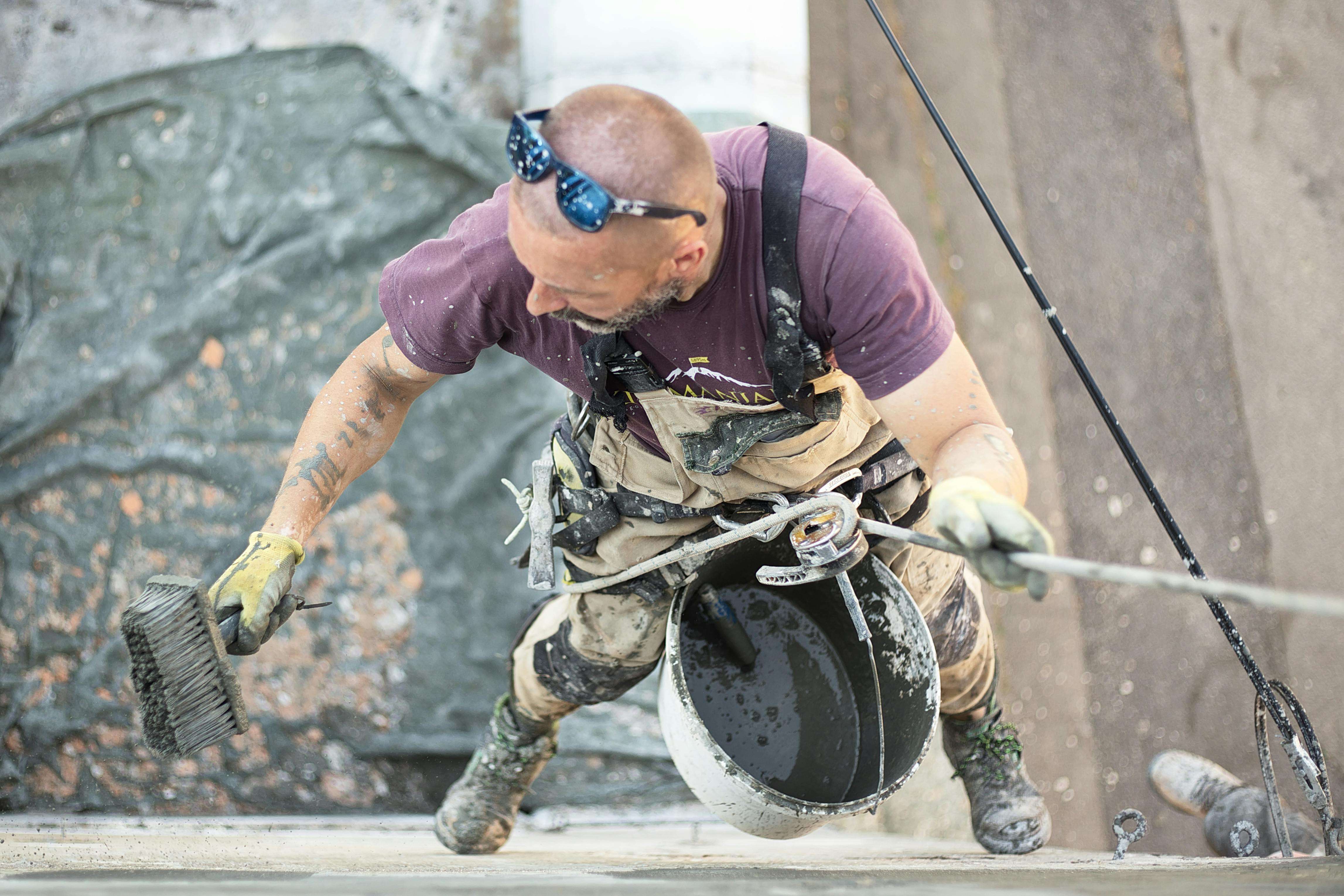
Facade & Cladding Repair in London
Post-Grenfell cladding remediation on hundreds of residential towers, ACM removal and replacement, plus curtain wall seal renewal on commercial high-rises across the capital.
Learn more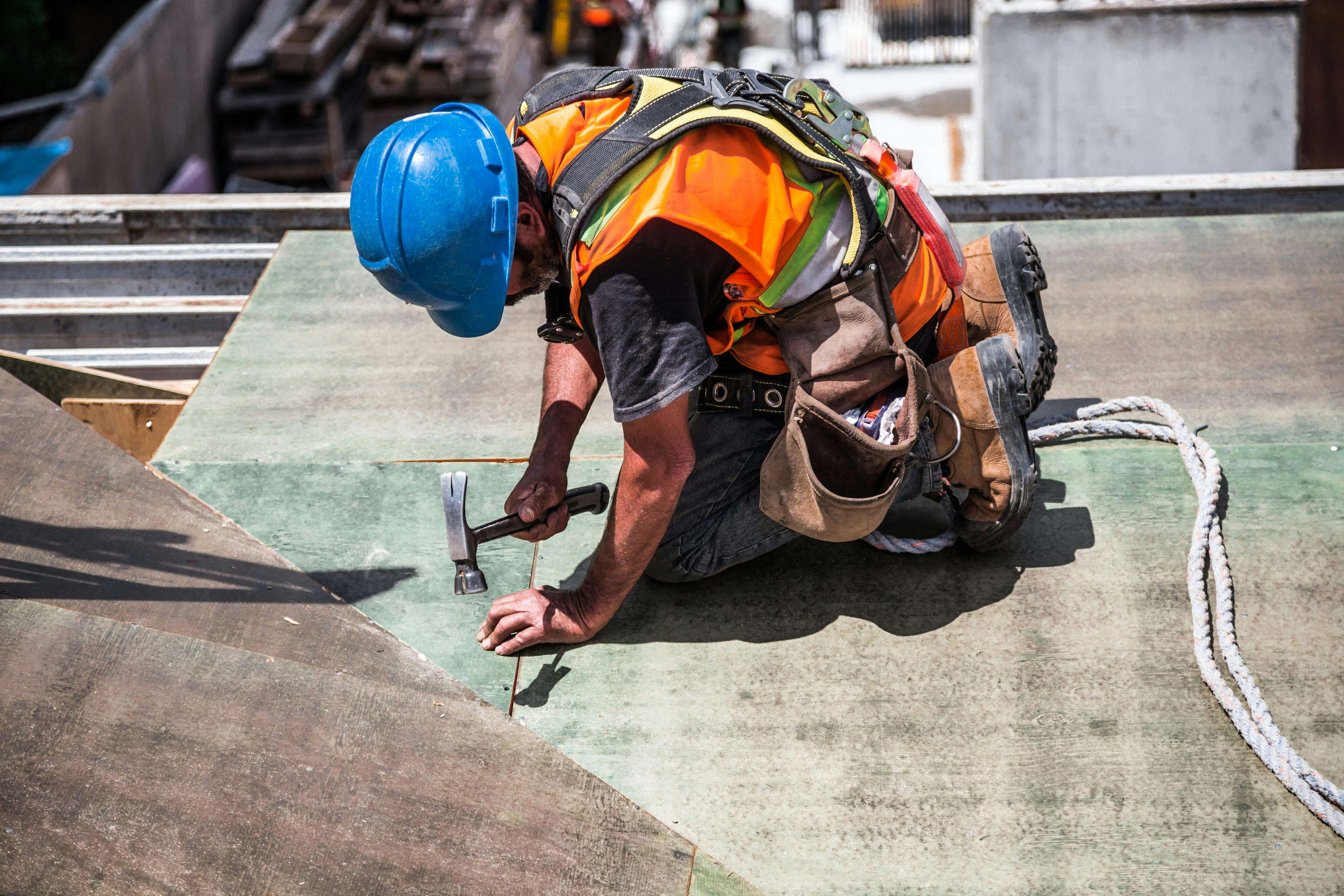
Concrete Repair in London
Spalling concrete on post-war housing estates across South and East London, brutalist structures like the Barbican, and multi-storey car parks throughout the boroughs.
Learn more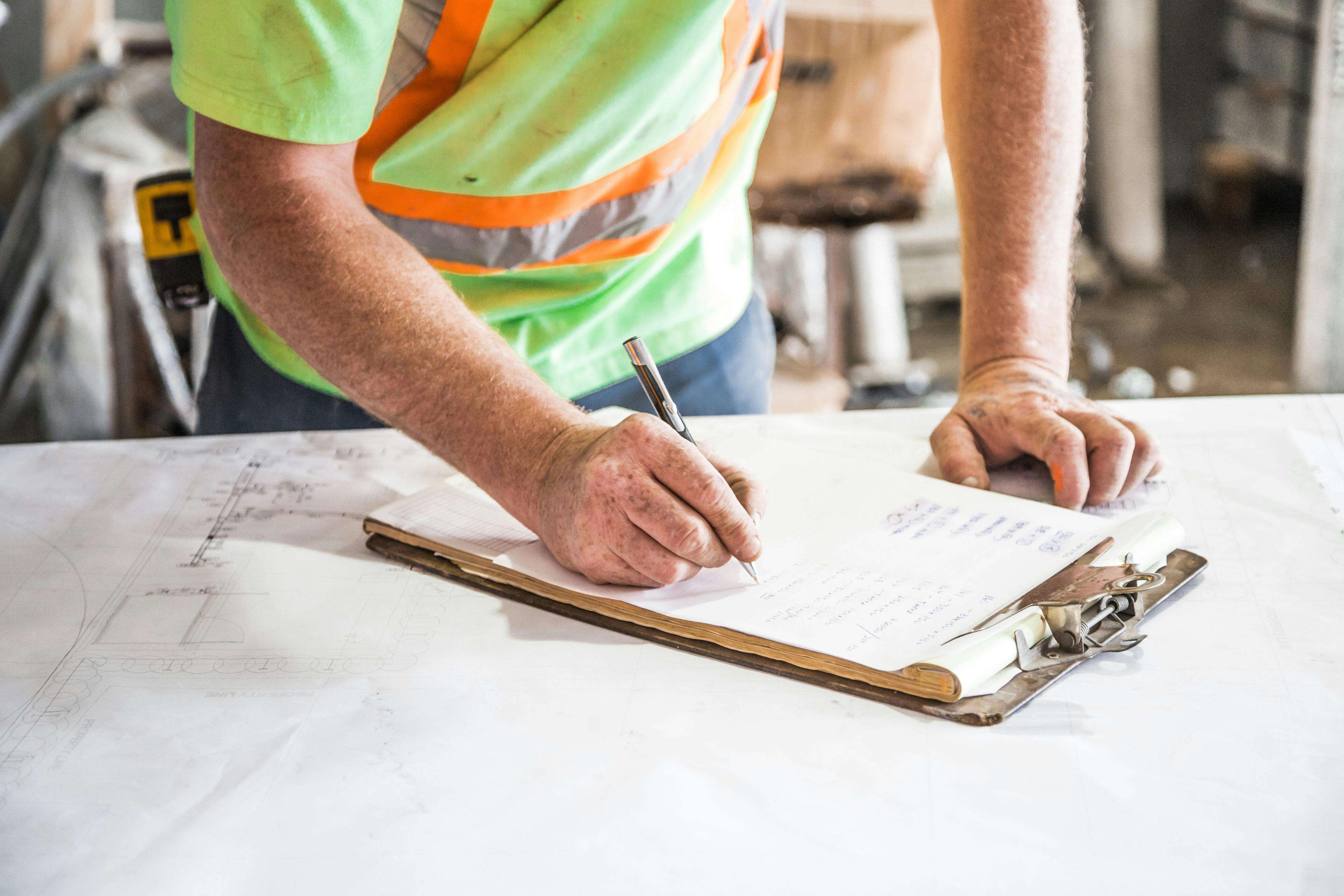
Building Inspection in London
Close-up facade surveys and EWS1 assessments for structural engineers, fire engineers and building safety managers across London's commercial and residential building stock.
Learn more
DOFF & TORC Cleaning in London
Gentle stone cleaning on listed buildings across Westminster, Kensington, Camden and the City where pressure washing would damage ornamental stucco and carved stonework.
Learn more
Glazing in London
Failed double-glazed unit replacement, cracked panel removal and structural glass repairs on high-rise facades across the City, Canary Wharf and the South Bank.
Learn more Waterproofing & Sealant in London
Expansion joint repairs, curtain wall perimeter seals and weatherproofing on commercial buildings throughout the capital where water ingress causes costly damage.
Learn more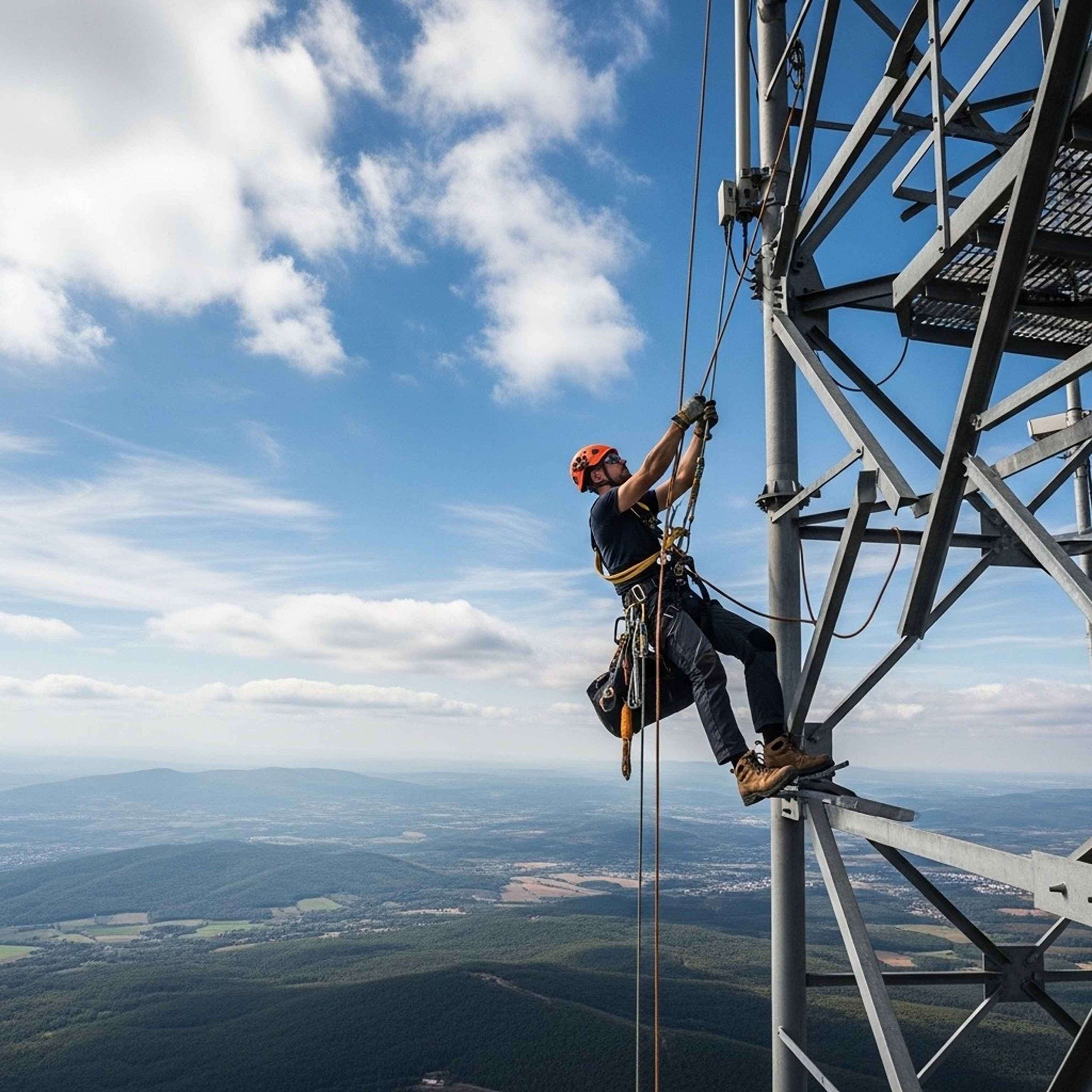
Lightning Protection in London
Installation, testing and certification of lightning conductor systems on tall buildings, churches and infrastructure across London.
Learn more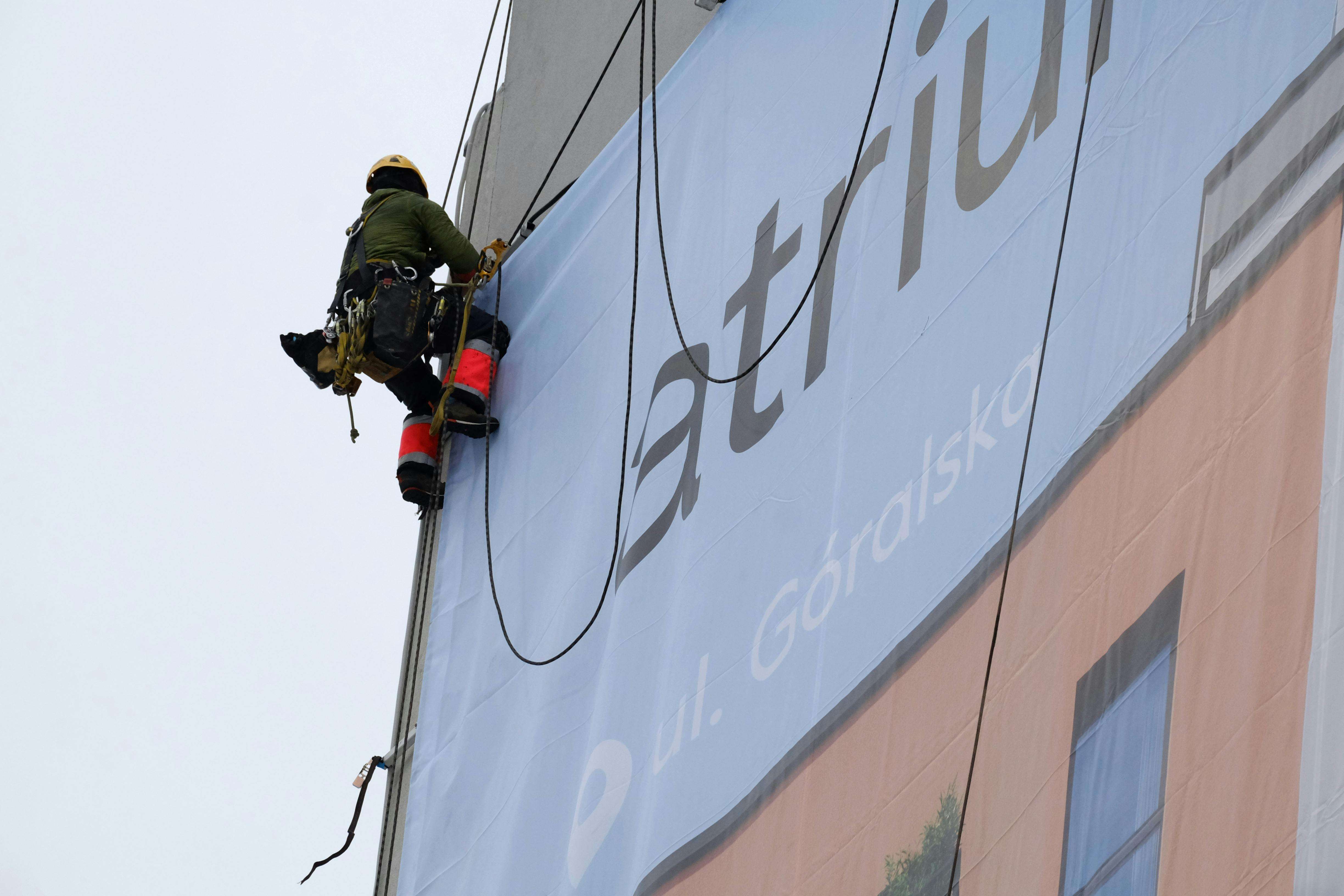
Sign Installation in London
Building signage, corporate branding and wayfinding installation on commercial towers and retail developments across the West End, City and Canary Wharf.
Learn more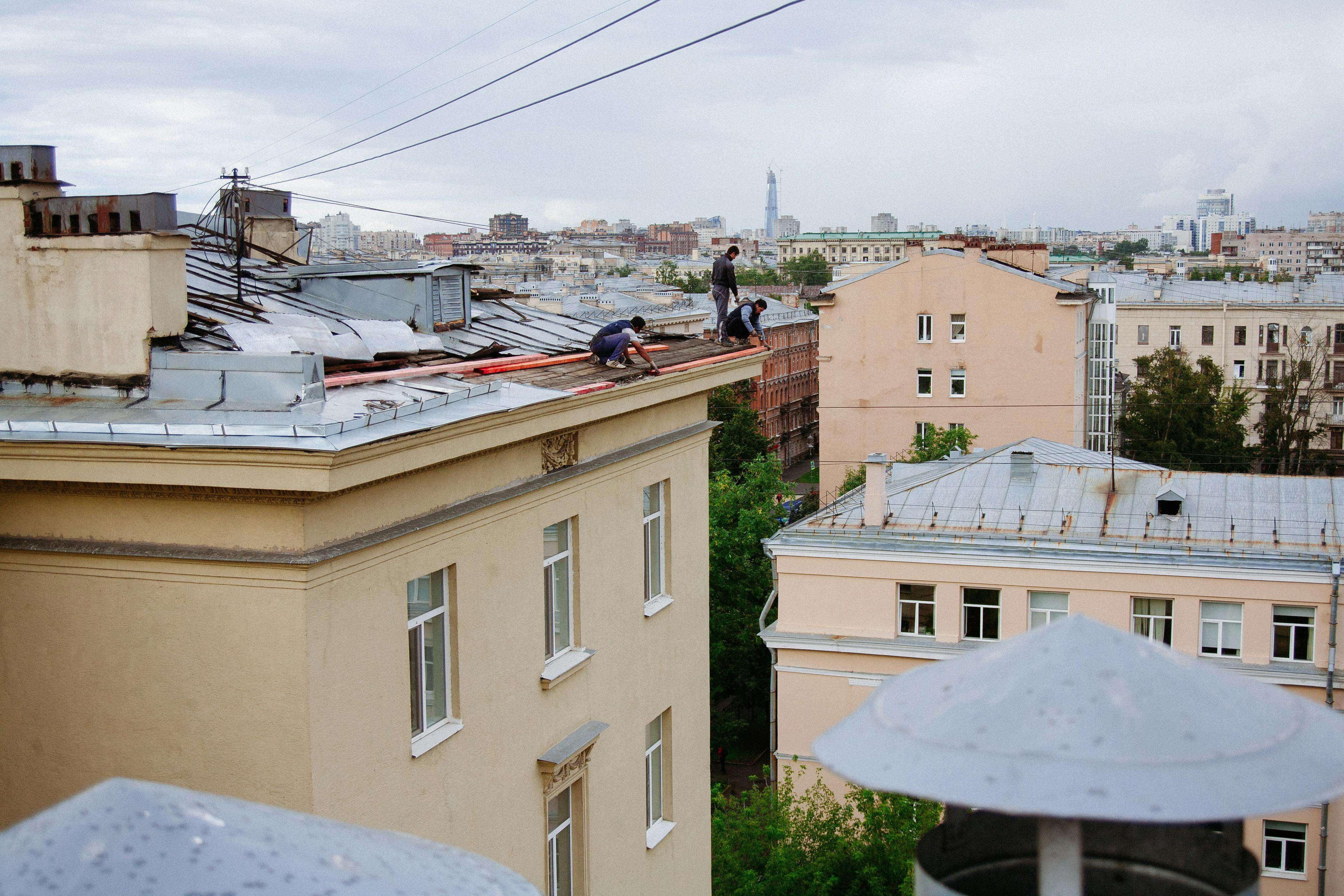
Gutter Cleaning in London
Cast iron gutter clearing, downpipe rodding and hopper head repairs on Victorian and Georgian terraces across conservation areas in Islington, Camden and South Kensington.
Learn moreArea We Cover
We also serve these nearby areas:
Why Choose Us in London
Local Operators
We connect you with rope access companies who work regularly across London and understand the local building stock, access challenges and planning requirements.
Vetted & IRATA-Certified
Every operator in our network is IRATA-certified and vetted for qualifications, insurance and safety record.
No Obligation
Our service is free to use. Get matched with suitable operators, compare quotes and choose with no pressure.
Get Your Free Quote
Ready to get started in London? Contact ropeaccess.company today for a free, no-obligation quote.