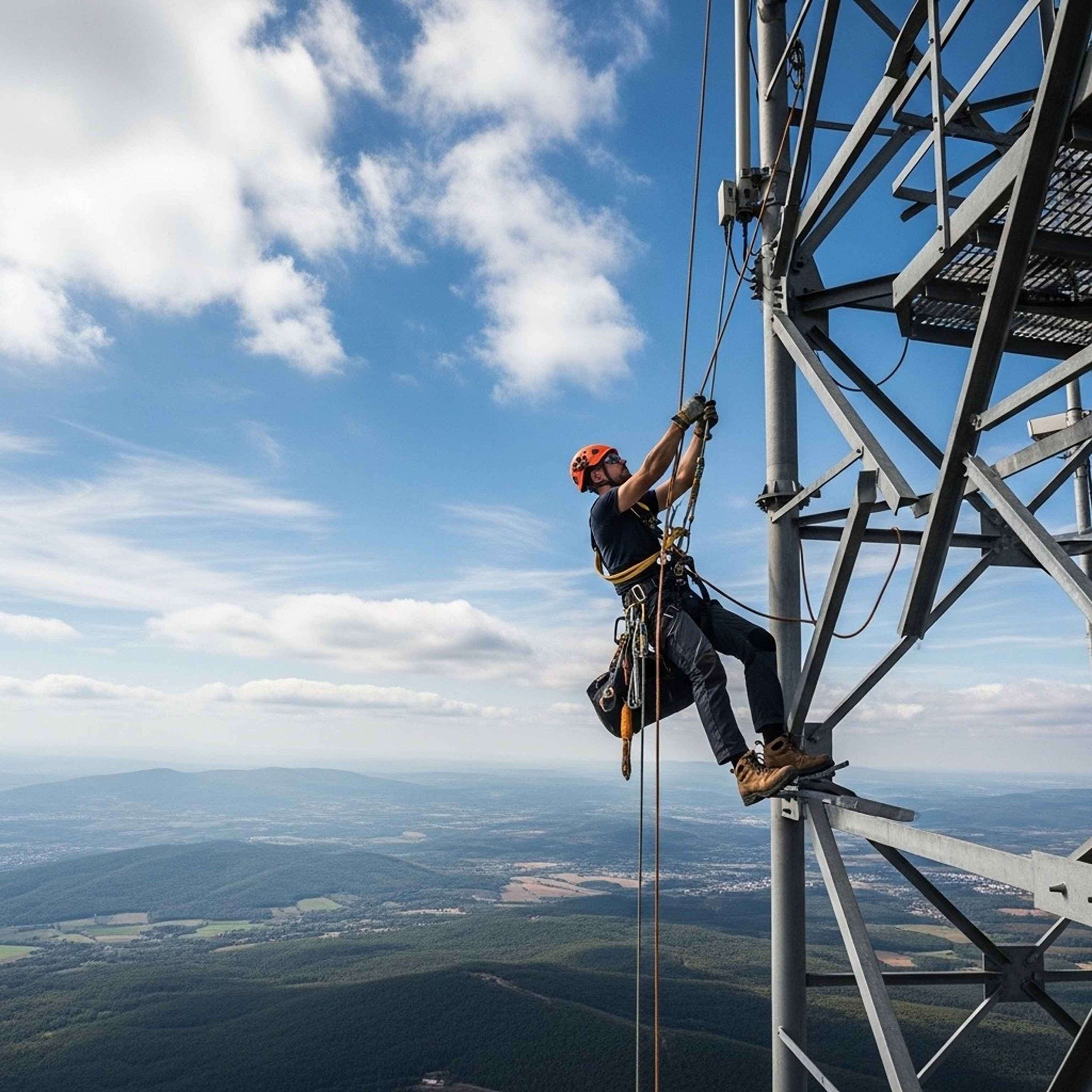
Where Rope Access Is Used in Middlesbrough
Teesside is one of Europe’s largest integrated industrial complexes. The sheer scale of petrochemical plant, chemical processing, energy generation and heavy infrastructure across the area means rope access demand is both broad and deep.
Wilton International. The Wilton chemical complex east of Middlesbrough hosts multiple chemical manufacturers and processors including SABIC and Huntsman. The site’s crackers, polymer plants, reactor vessels, pipe racks and tank farms generate continuous rope access requirements for inspection, maintenance and repair. Each operator runs independent permit-to-work and safety systems, so technicians need to be adaptable across different site protocols.
CF Fertilisers Billingham. The ammonia and nitric acid production facilities at Billingham are among the largest in the UK. Reactor vessels, absorption columns, cooling towers and associated pipework all require rope access for inspection and maintenance. The corrosive process environment means coating integrity surveys and protective painting programmes are frequent scopes.
Teesworks freeport. The former SSI steelworks site at Redcar is being redeveloped as the UK’s largest freeport. Demolition, remediation and new-build construction across the 4,500-acre site are generating rope access work on a massive scale — from structural surveys on retained assets to new steel erection support and quality inspection on incoming facilities.
Energy from waste and biomass. Teesside hosts several energy-from-waste and biomass combustion plants. Boiler tube inspection, superheater access, stack surveys and induced draft fan maintenance are all delivered by rope access on these facilities, often during planned outages with tight timescales.
PD Ports and Teesport. Port infrastructure along the Tees requires rope access for crane inspection, quayside structural surveys, dolphin and fender maintenance, and cargo handling equipment access. The harbour area also supports offshore wind supply chain operations with increasing frequency.
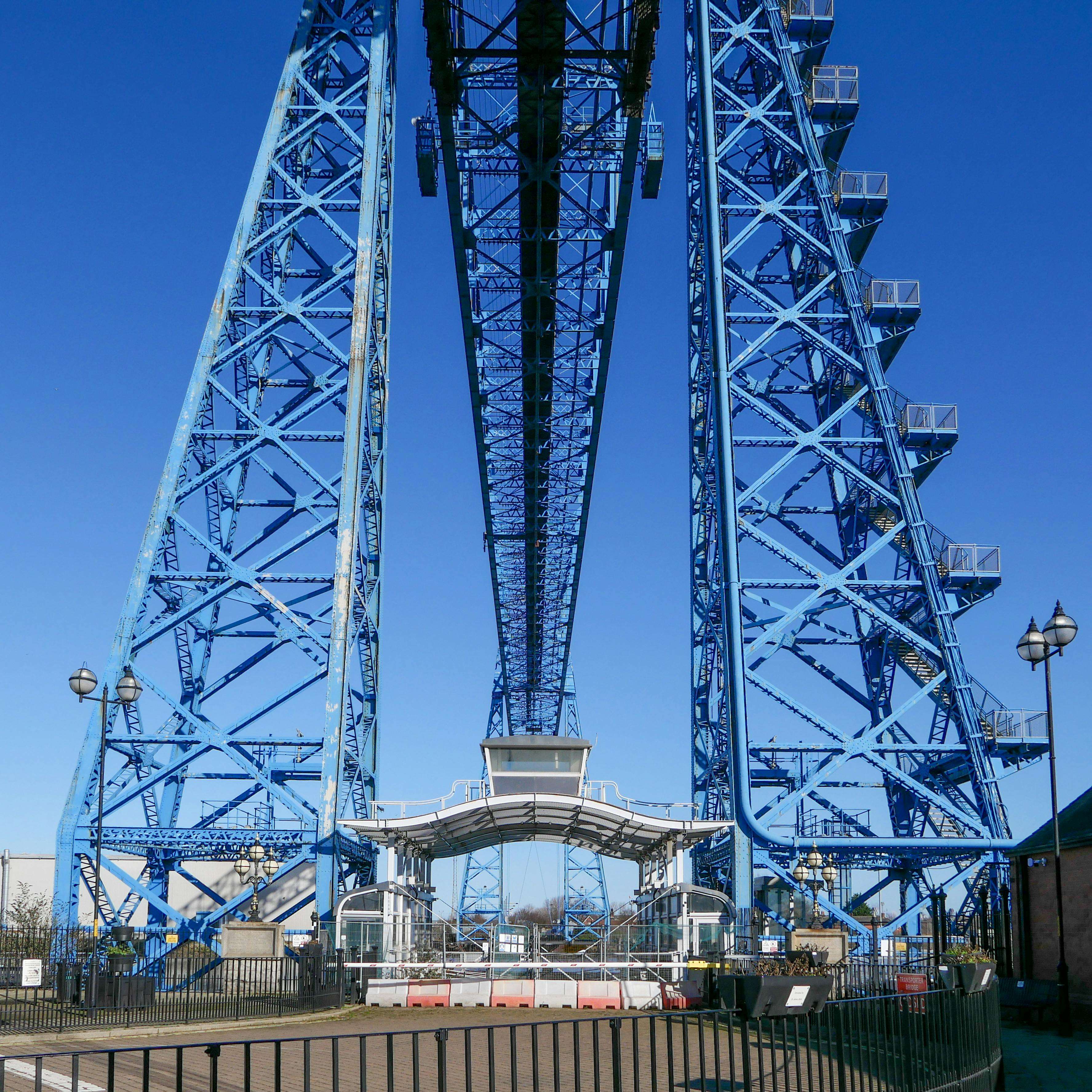
Middlesbrough Transporter Bridge. The Grade II* listed Transporter Bridge — one of only two operational transporter bridges in the UK — requires specialist rope access for structural inspection, painting and maintenance of its high-level boom, suspension cables and gondola mechanism.
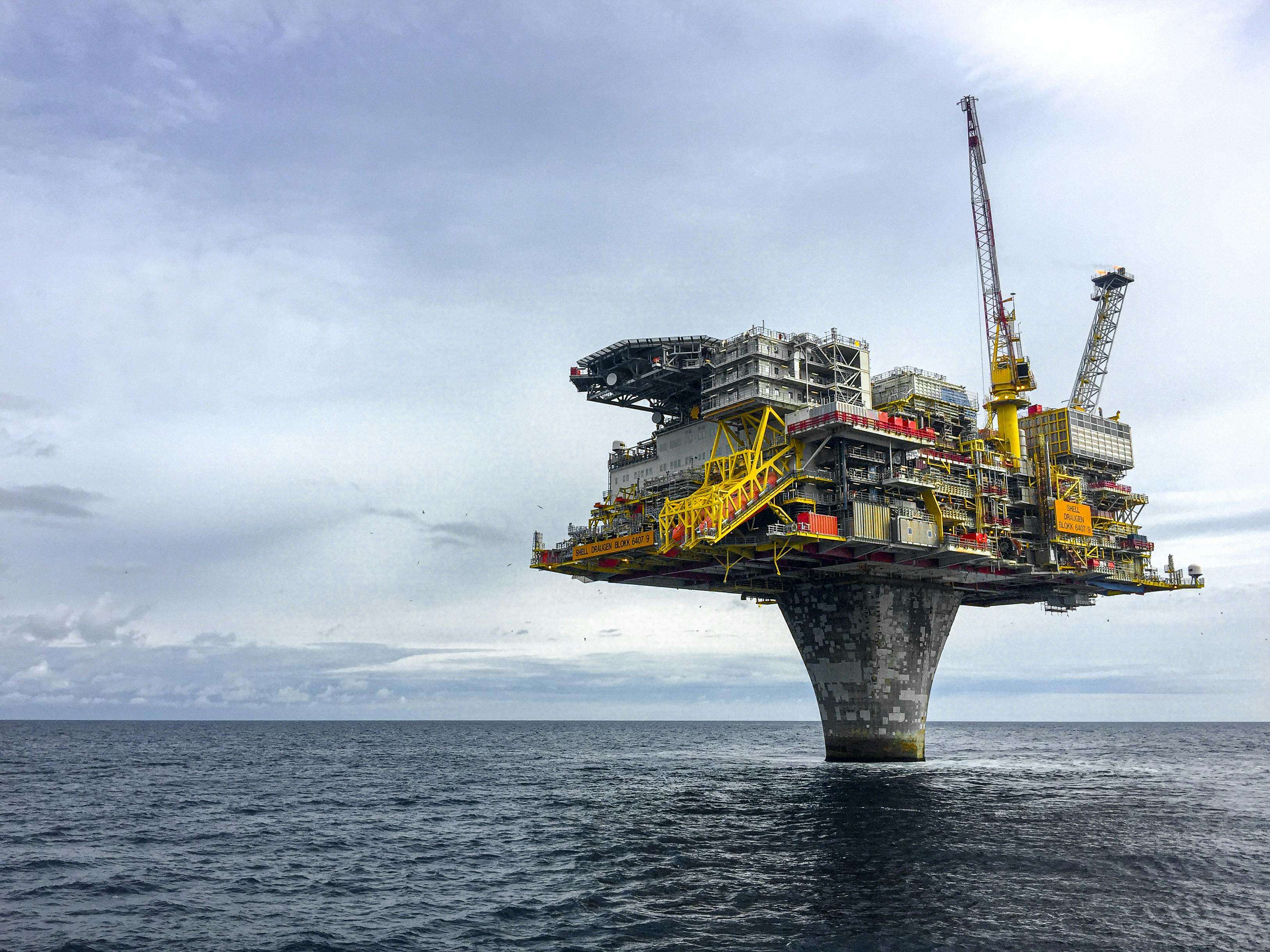
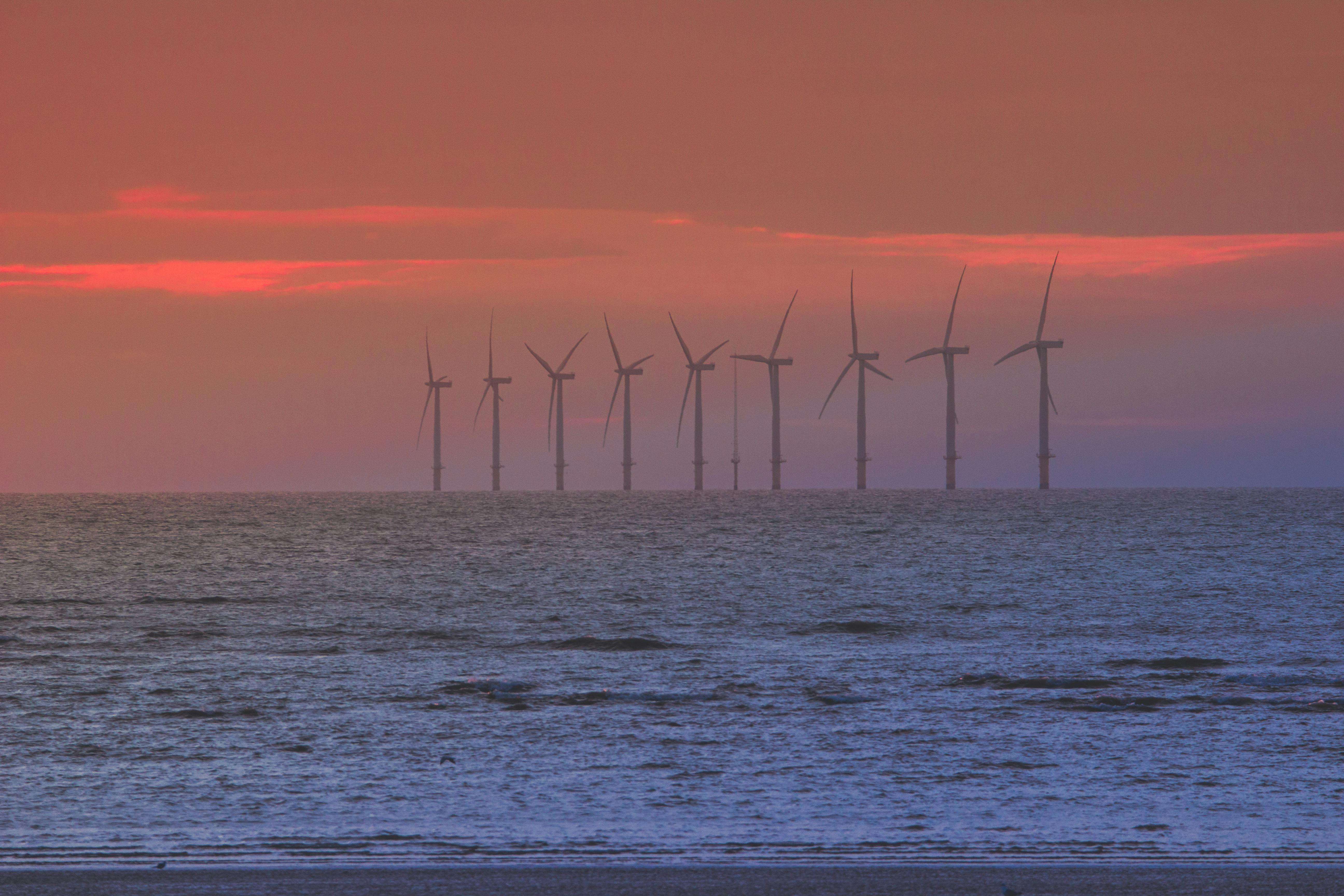
Offshore wind supply chain. Teesside is positioning itself as a major hub for offshore wind manufacturing and assembly. The Dogger Bank wind farm and other North Sea projects are driving investment in port infrastructure and fabrication facilities, creating a growing pipeline of rope access work.
Rope Access vs Scaffolding in Middlesbrough
Teesside’s industrial landscape presents specific challenges that consistently favour rope access over traditional scaffold:
Multi-operator sites. Wilton International and other Teesside complexes house multiple independent operators on a shared site. Scaffold erection requires co-ordination across different permit systems, traffic management plans and exclusion zones. Rope access teams work within a much smaller footprint and can mobilise without the same level of cross-site disruption.
Live plant constraints. The majority of Teesside’s chemical processing runs continuously. Scaffold structures around live pipework carrying ammonia, ethylene or other hazardous materials introduce collision risk, obstruct emergency escape routes and can interfere with safety shower access. Rope access avoids all of these issues.
Turnaround programme pressure. Plant shutdowns on Teesside follow compressed schedules where every shift counts. Rope access eliminates the lead time for scaffold design, erection and inspection — the team rigs, works and de-rigs within the same mobilisation, freeing up days on the critical path.
Corrosive environments. Many Teesside facilities handle corrosive feedstocks and products. Scaffold left in situ for extended periods can itself corrode, creating falling object hazards. Rope access is deployed, used and removed in a single operation with no residual structure left exposed.
Legacy infrastructure. Some of Teesside’s process plant dates back decades. Older structures may not have been designed with scaffold loading in mind, and structural assessments to confirm scaffold tie capacity can delay projects. Rope access imposes negligible additional load on the structure.
Common Rope Access Projects in Middlesbrough
- NDT (non-destructive testing) — ultrasonic thickness testing, MPI, radiography and TOFD on pressure vessels, piping and structural steel across Teesside’s chemical plants
- Protective coatings — surface preparation and high-performance coating application on pipe racks, structural steelwork, tanks and process equipment in aggressive chemical environments
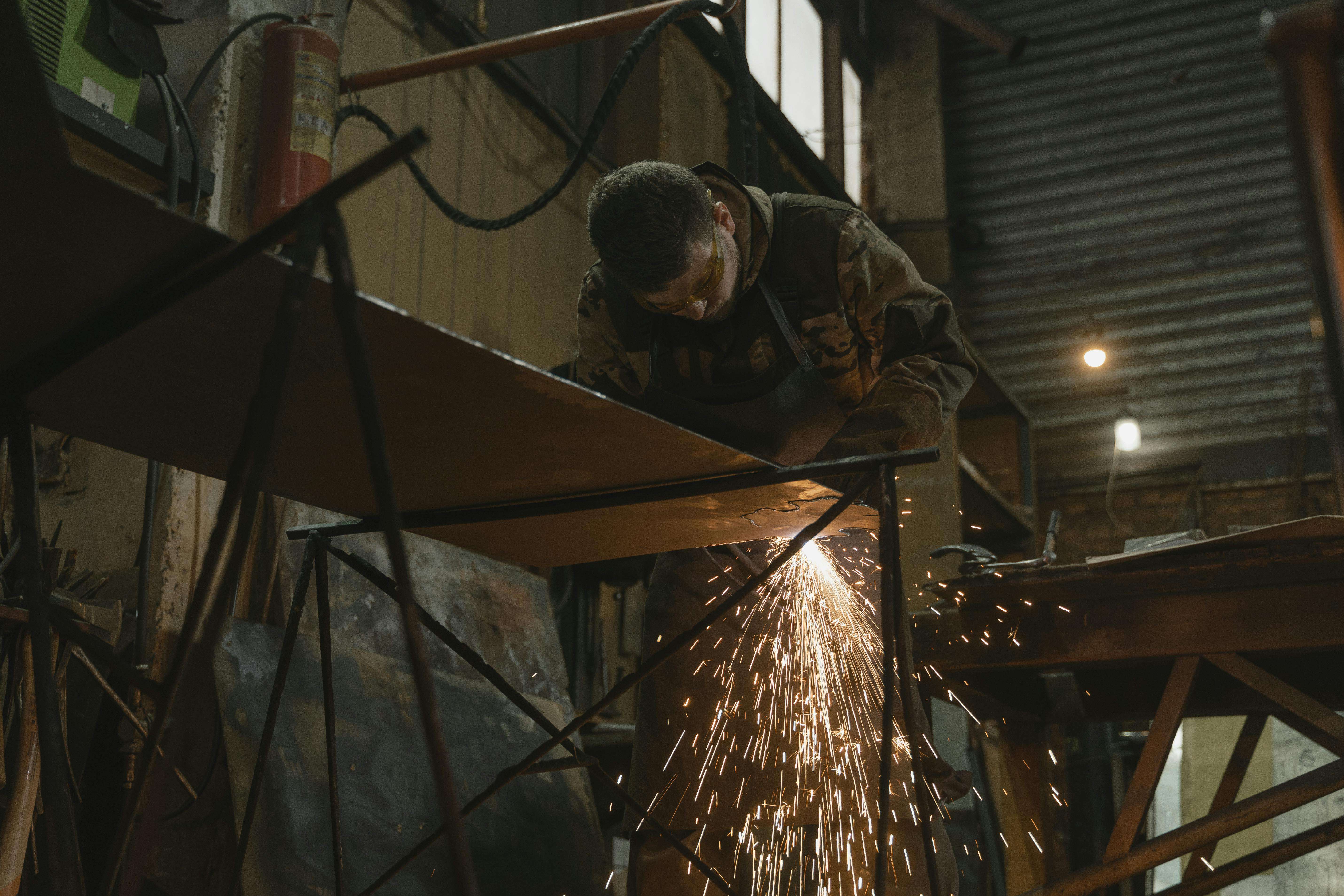
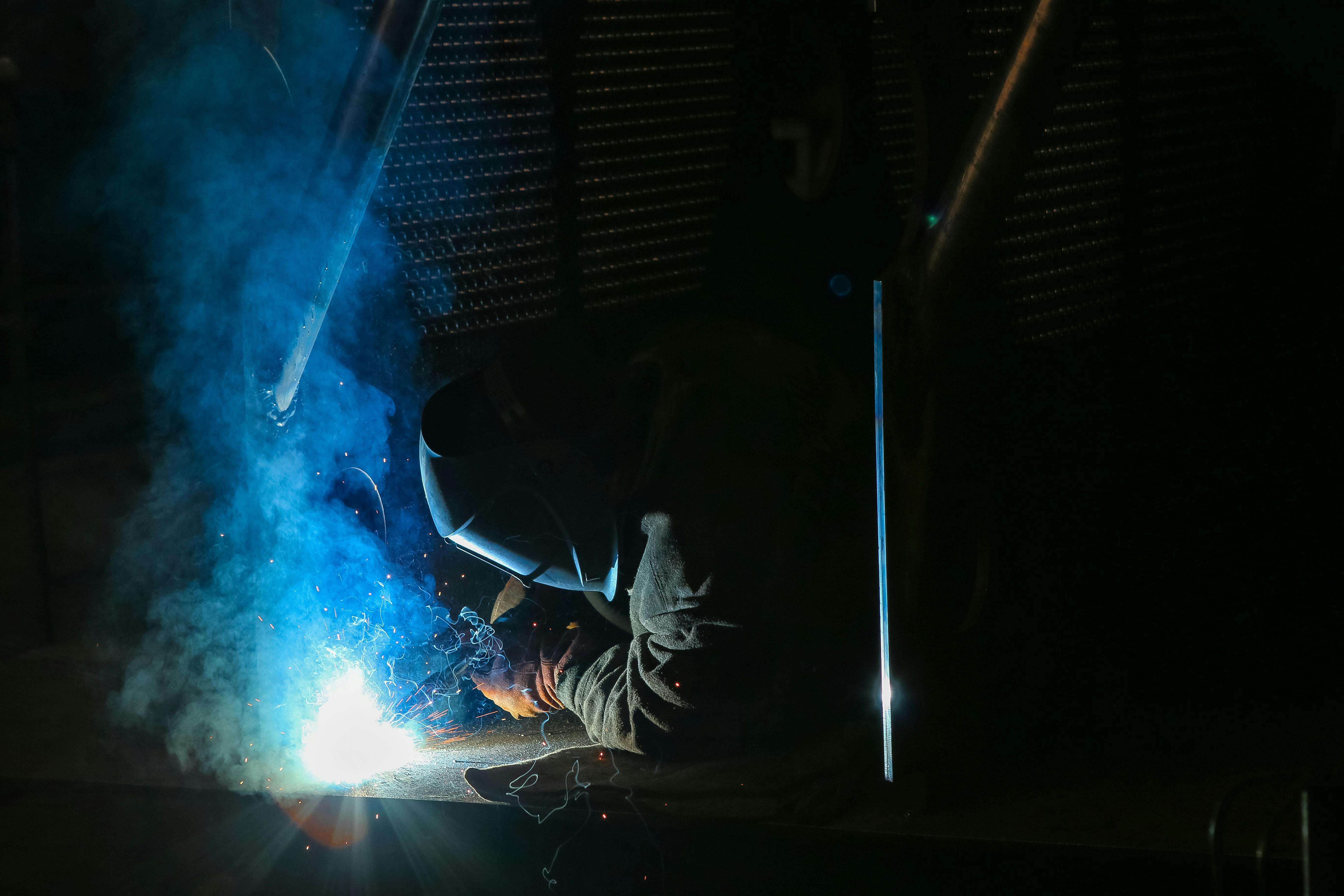
- Weld inspection — visual and NDT inspection of process piping welds, vessel nozzle connections and structural joints during shutdowns and ongoing operations
- Fireproofing — passive fire protection surveys, installation and repair on structural steelwork and vessel skirts
- Concrete repair — patch repair, carbon fibre strengthening and protective coating of reinforced concrete structures on aging Teesside plant
- Stack and chimney inspection — visual and thickness surveys on process stacks, flues and chimneys, including emission monitoring platform maintenance
- Demolition preparation — pre-demolition asbestos surveys, structural assessments and bolt-cutting on redundant plant at Teesworks and other sites
- Crane and lifting equipment inspection — port cranes, overhead gantry cranes and lifting beam inspections across Teesport and industrial sites
Areas We Cover from Middlesbrough
Our operators cover Middlesbrough, Stockton-on-Tees, Redcar, Billingham and the wider Teesside industrial complex. Coverage extends to Darlington, Hartlepool, Saltburn-by-the-Sea, Guisborough and across the Tees Valley. Teams mobilise from Teesside to support industrial projects across the North East.