Where Rope Access Is Used in Reading
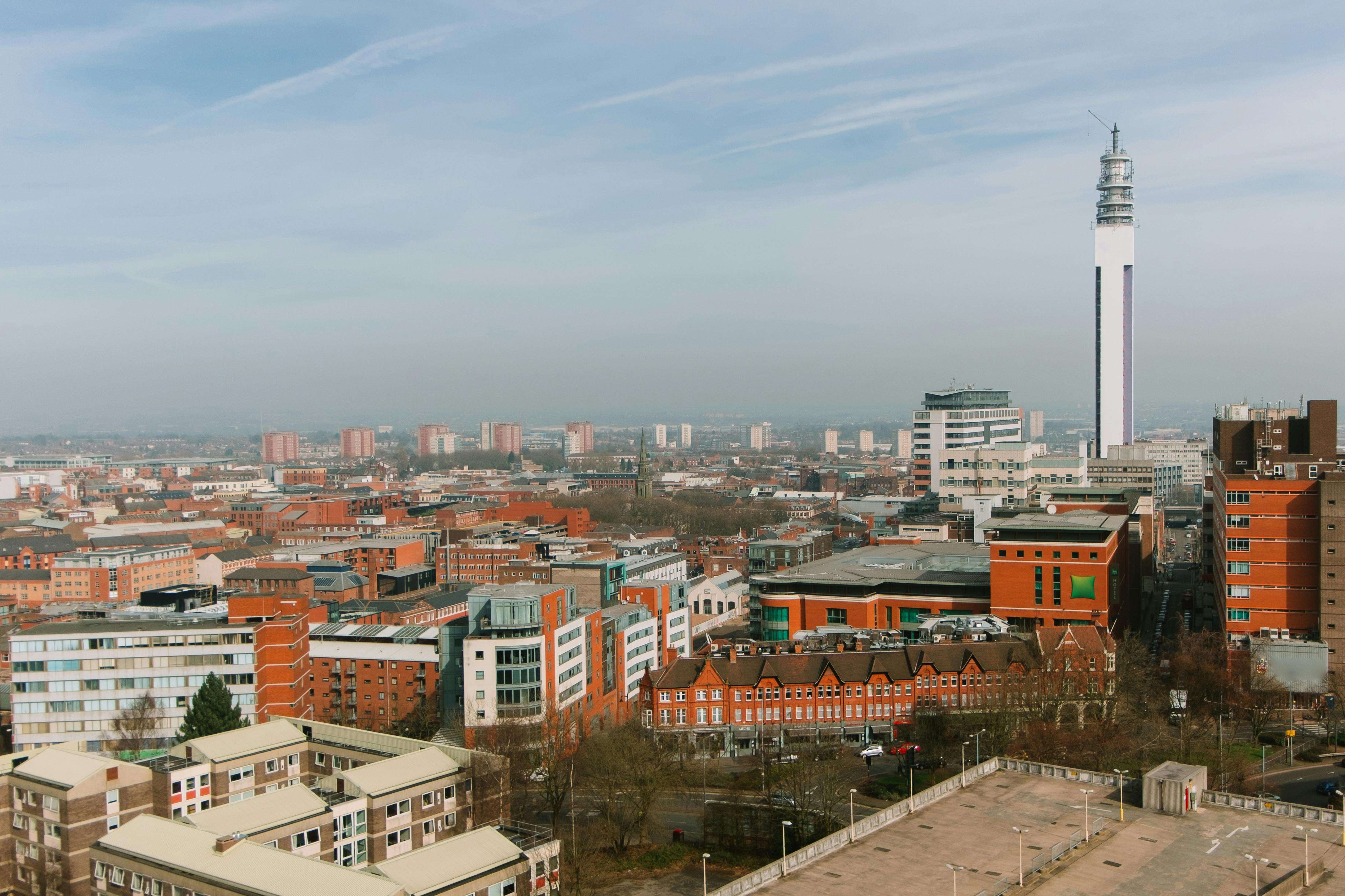
Reading’s building stock is dominated by modern commercial office space — the densest concentration of corporate headquarters outside London. This creates a rope access market driven primarily by curtain wall maintenance, but with growing residential and heritage requirements.
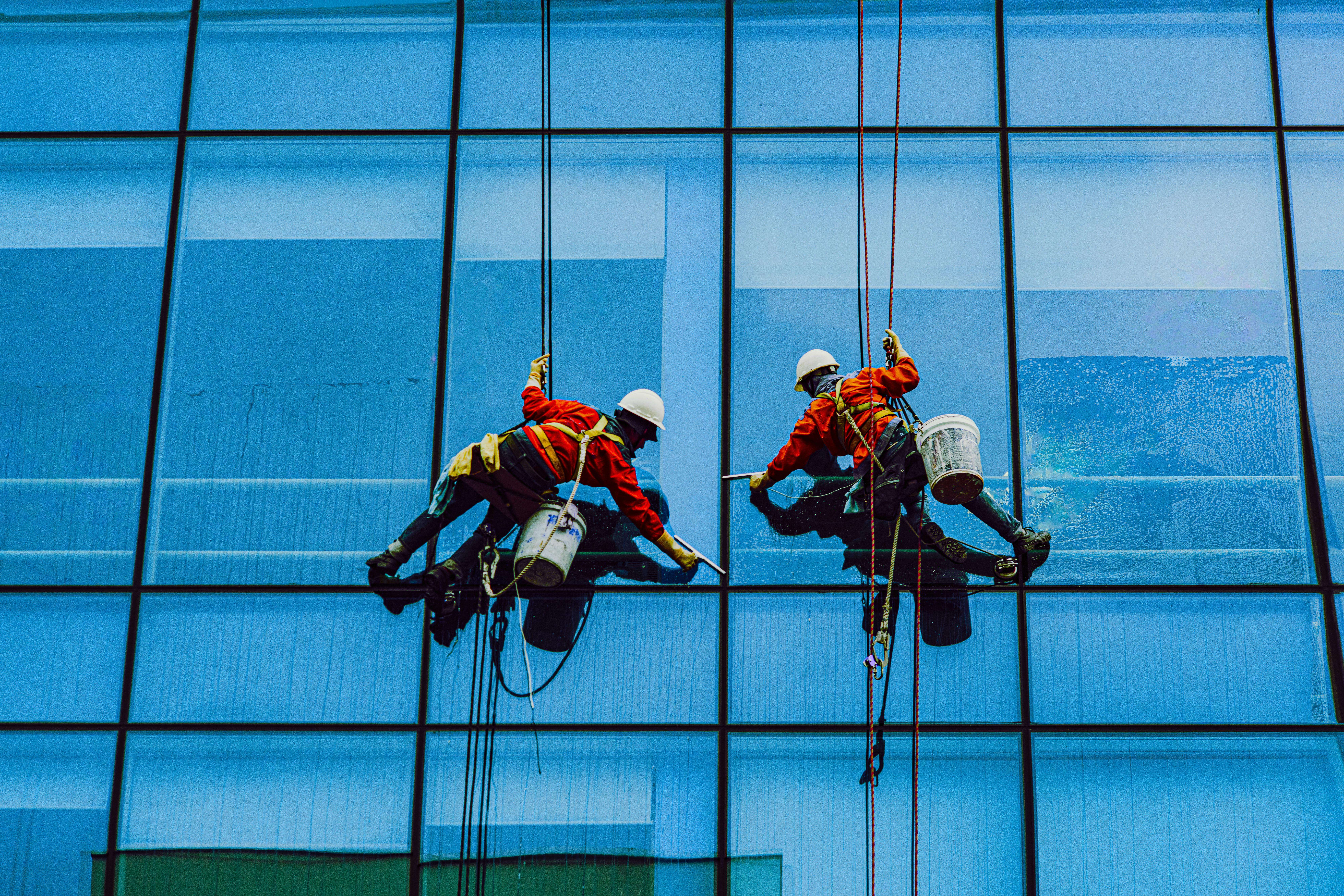
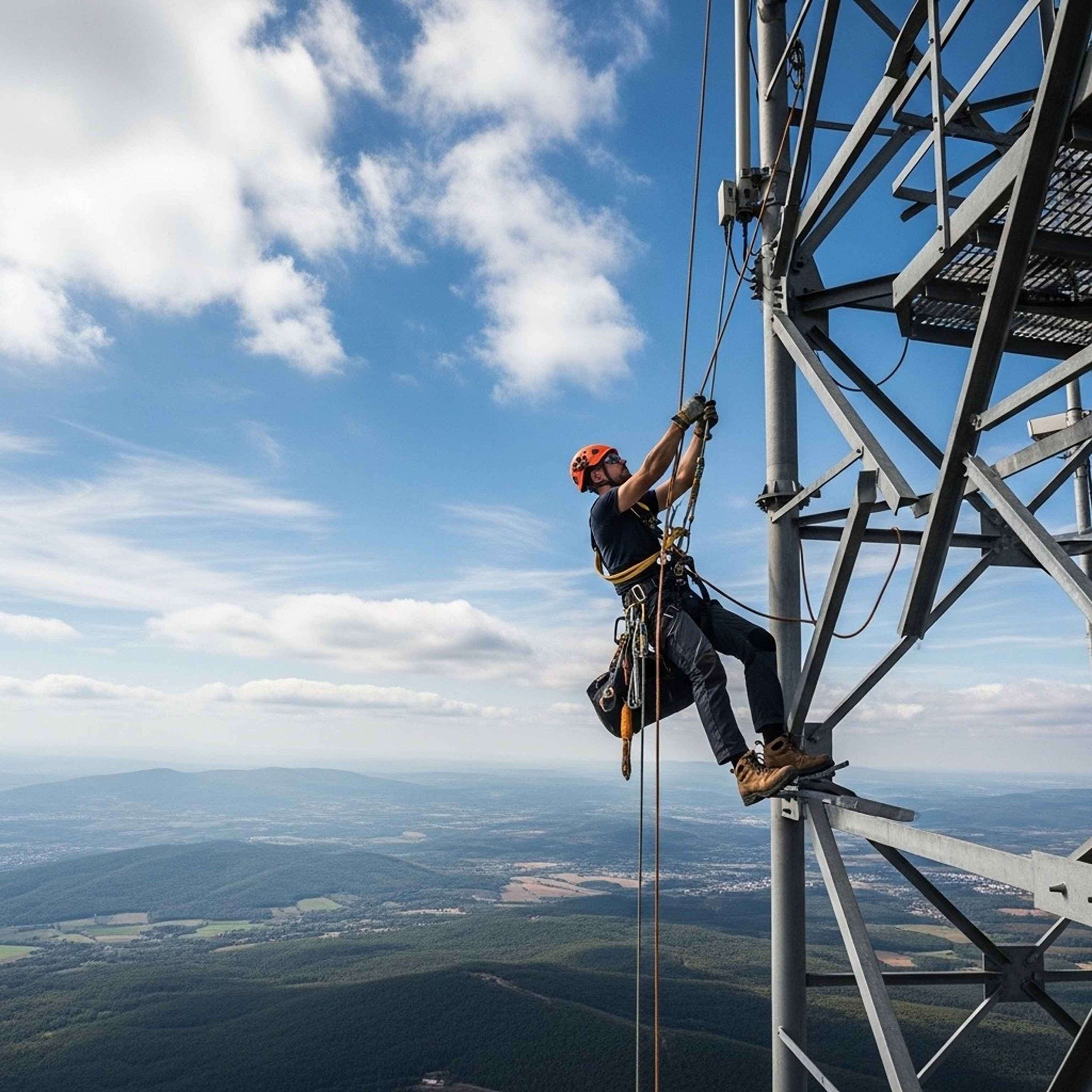
Corporate headquarters and office parks. Reading is home to UK or European headquarters for Oracle, Microsoft, Huawei, Prudential and dozens of other major corporations. Green Park business park, Thames Valley Park and Arlington Business Park contain large-footprint, mid-rise office buildings with extensive glass curtain wall facades. These buildings require cyclical facade cleaning (typically quarterly for premium occupiers), sealant renewal every 10–15 years, glazing replacement for failed sealed units and annual facade inspections. Rope access is the standard delivery method — faster and less disruptive than BMU cradle systems, and far cheaper than scaffold for reactive repairs.
Thames Quarter and station area. The Thames Quarter tower and surrounding developments near Reading Station represent the town’s emerging high-rise cluster. The station quarter regeneration has added hotels, residential towers and mixed-use buildings with modern facade systems. These newer buildings require snagging, defect rectification and early-life maintenance — work where rope access allows targeted intervention on specific floors or elevations without full scaffold.
Broad Street Mall and retail core. The town centre’s retail and commercial buildings range from 1960s concrete structures (Broad Street Mall) to Victorian frontages along Friar Street and the Oracle riverside. The concrete buildings need spalling repair and waterproofing. Victorian commercial facades require cleaning, repointing and rainwater goods maintenance.
University of Reading campus. The Whiteknights campus has a substantial estate of buildings from every decade since the 1950s. Older concrete-framed buildings are showing carbonation damage and require patch repair. Modern buildings need curtain wall maintenance. The campus maintenance programme uses rope access to avoid disruption during term time and to work within tight vacation windows.
Kennet and Avon canal-side developments. The canal corridor through Reading has been redeveloped with residential apartments and mixed-use buildings. These waterside developments have balconies, decorative metalwork and cladding systems exposed to moisture from the canal — driving a faster maintenance cycle than equivalent inland buildings.
Rope Access vs Scaffolding in Reading
Reading’s commercial property market and urban layout create specific advantages for rope access:
Occupied office buildings. Reading’s corporate tenants operate from buildings that cannot be disrupted during business hours. Scaffold around a headquarters building affects the corporate image, blocks natural light to office floors and creates security concerns (physical access to upper floors via scaffold). Rope access work can be carried out during evenings, weekends or outside core hours with no lasting visual impact.
Business park access constraints. Green Park, Thames Valley Park and similar campus-style business parks have landscaped settings with limited hard standing for scaffold materials. Roads within the parks are private and cannot be closed without disrupting multiple occupiers. Rope access teams arrive in a van and set up from the roof, with no ground-level footprint.
Reactive maintenance speed. A leaking facade panel on a headquarters building is an urgent facilities management issue — water ingress damages IT infrastructure, finishes and tenant confidence. Scaffold design, approval and erection takes weeks. A rope access team can be on-site within 24 hours of the call, locate the defect and carry out a temporary or permanent repair.
Cyclical cleaning programmes. Property managers for premium office stock run quarterly or biannual facade cleaning programmes. Scaffold for each clean would be absurdly expensive. Rope access allows efficient, building-by-building cleaning across a portfolio with minimal mobilisation cost.
Town centre pedestrian areas. The Broad Street pedestrianised area, the Oracle Shopping Centre and Forbury Gardens are high-footfall zones where scaffold obstructs pedestrians and affects retail trade. Rope access eliminates ground-level obstruction.
Common Rope Access Projects in Reading
- Curtain wall cleaning — cyclical facade cleaning on corporate headquarters and office buildings, typically quarterly or biannually
- Sealant renewal — replacement of perished structural silicone and weather seals on curtain wall facades
- Glazing replacement — removal and replacement of failed double-glazed units, cracked panels and damaged spandrel panels
- Facade inspection — close-up condition surveys for building managers and structural engineers, with photographic reports
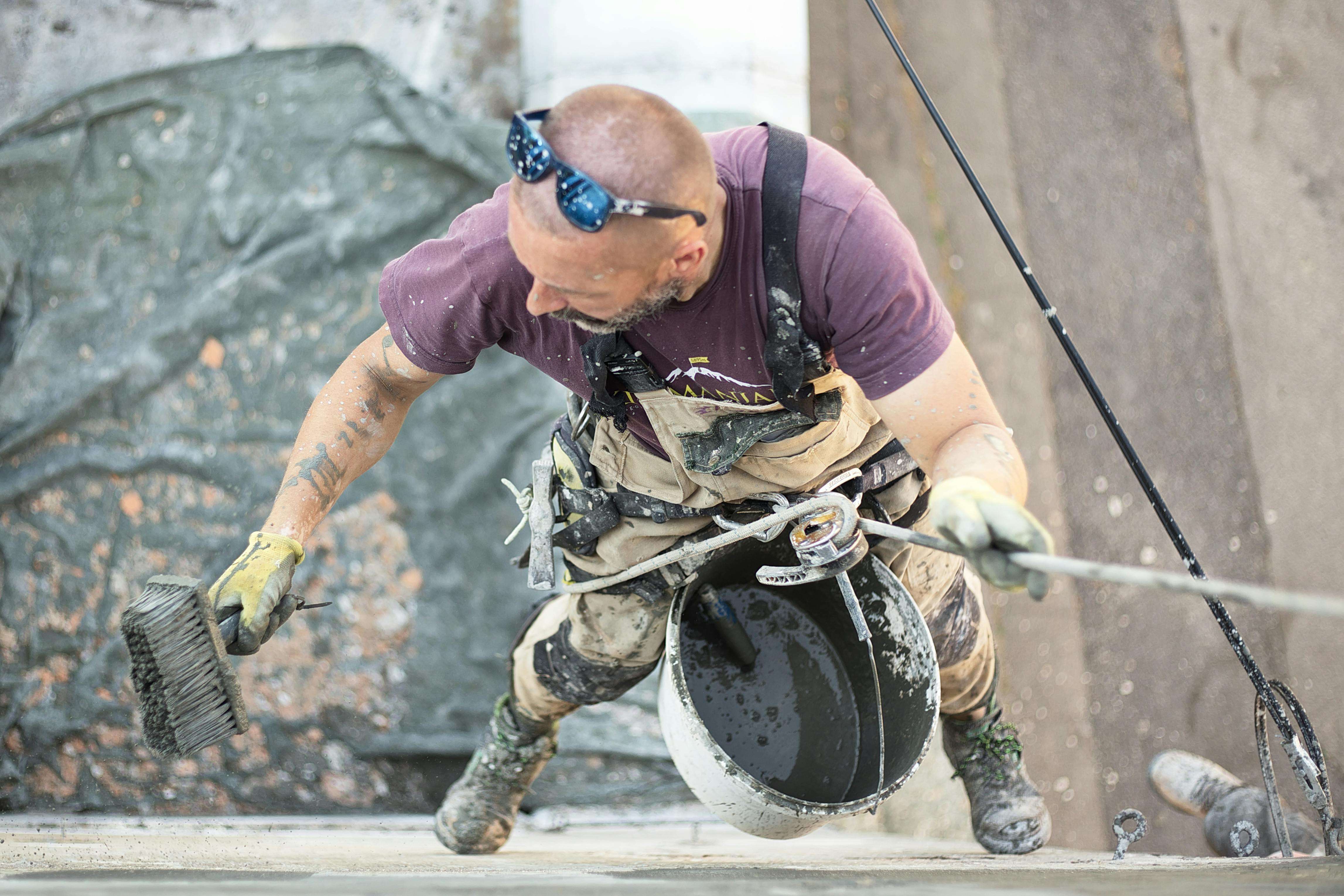
- Concrete repair — patch repair of spalling concrete on 1960s and 1970s commercial and car park structures
- Waterproofing — expansion joint repair, flat roof edge treatment and coping stone sealing on commercial buildings
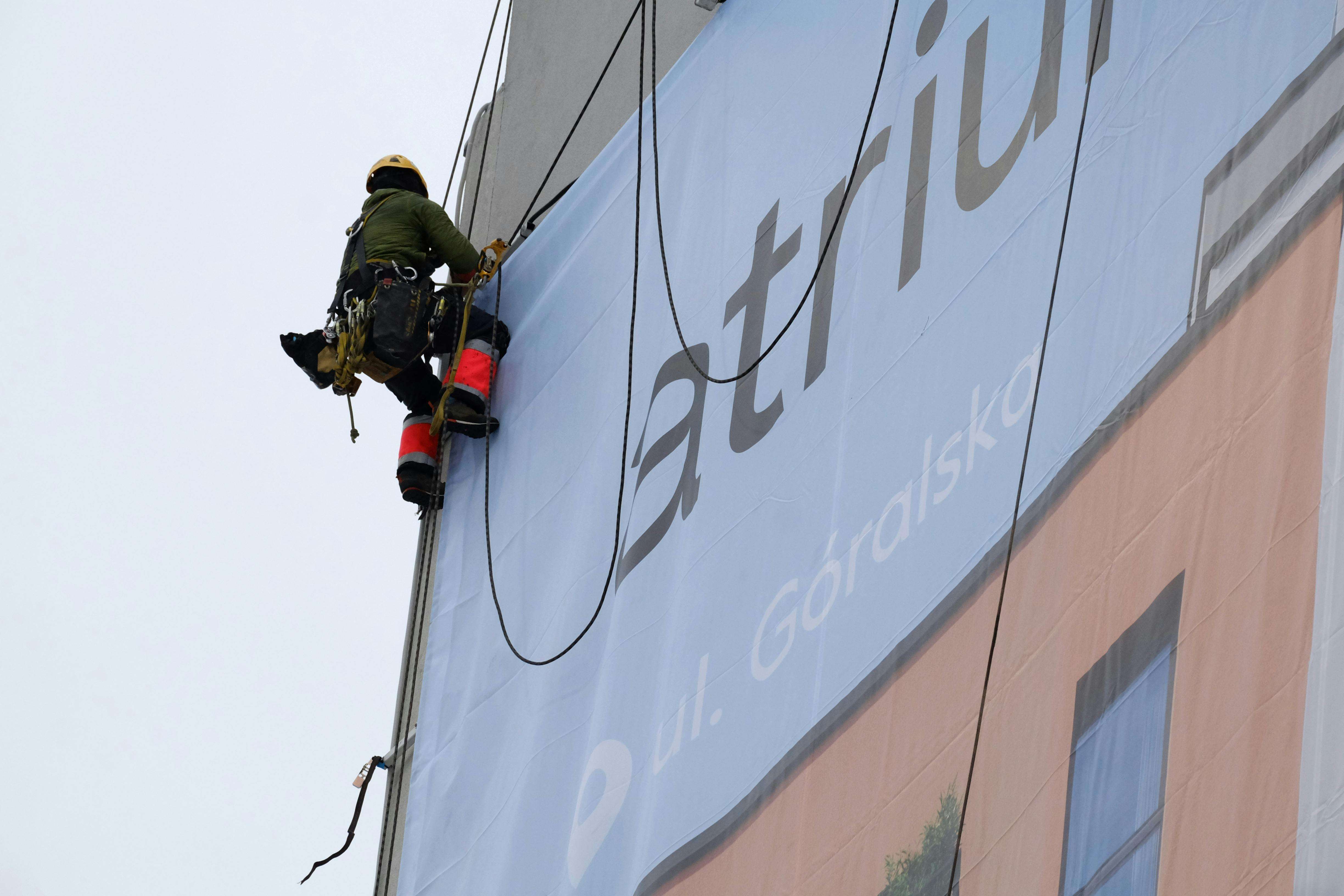
- Signage installation — corporate logo and building identification signage on office towers and headquarters buildings
- Lightning protection — installation, testing and repair of lightning conductor systems on commercial buildings
Areas We Cover from Reading
Our rope access operators serve Reading, Caversham, Woodley, Earley, Tilehurst and Calcot. Wider coverage extends across the Thames Valley to Slough, Bracknell, Wokingham, Newbury, Maidenhead, High Wycombe, Basingstoke and the M4 corridor between London and Swindon.