Where Rope Access Is Used in Swansea
Swansea sits at the junction of heavy industry and coastal regeneration. The city’s rope access market is shaped by the Port Talbot steelworks to the east, a modernising waterfront city centre and the Bristol Channel’s relentless coastal weathering.
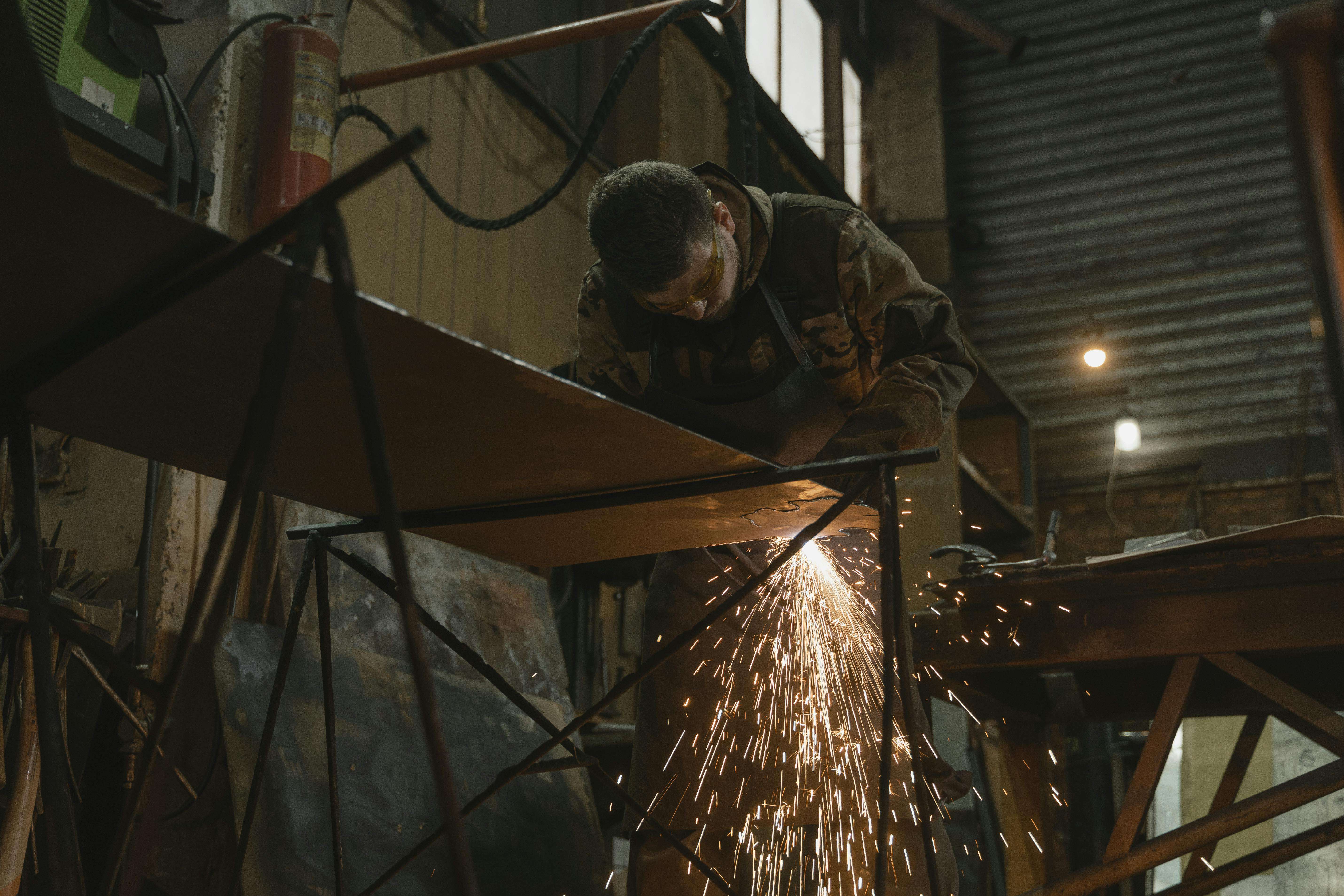

Port Talbot steelworks. Tata Steel’s Port Talbot works is the UK’s largest steelworks and one of the biggest industrial sites in Europe. The complex includes blast furnaces, coke ovens, rolling mills, conveyor systems and chimney stacks — all requiring periodic inspection, maintenance and protective coating. Rope access is the standard method for working on blast furnace exteriors, ductwork, structural steelwork and confined-space entry within the process plant. The scale of the site generates consistent year-round demand for IRATA-certified technicians.
Copr Bay and waterfront regeneration. The Copr Bay development has added a 3,500-capacity arena, a coastal park, a bridge and mixed-use buildings to Swansea’s waterfront. These modern structures have complex facade geometries — curved cladding, glazed curtain walls, decorative steelwork — that require specialist maintenance access. As the development matures, cyclical cleaning and sealant renewal programmes will become the standard requirement.
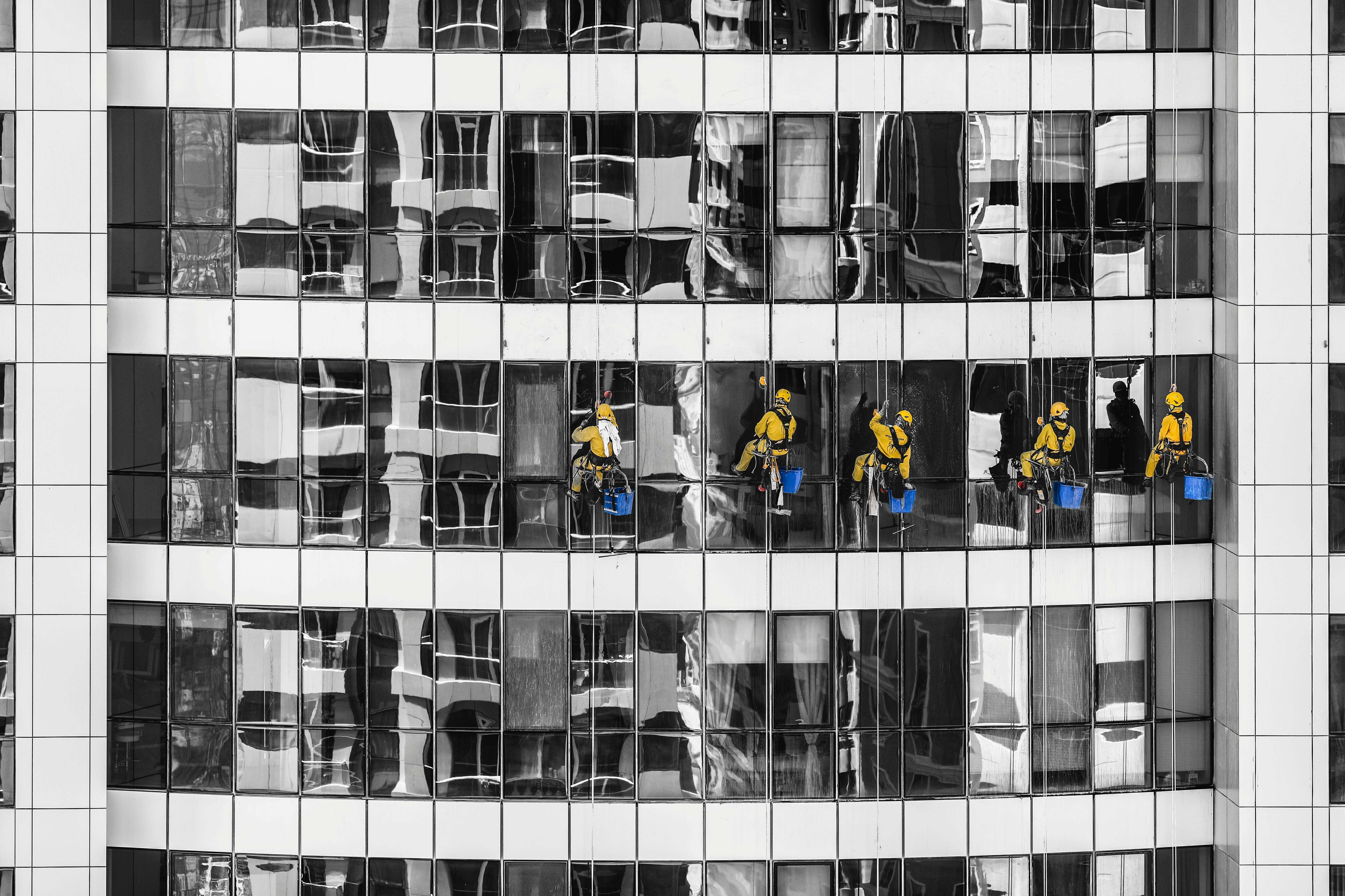
Wind Street and city centre commercial. Wind Street and the surrounding commercial core contain a mix of Victorian and Edwardian commercial buildings, modern office blocks and hospitality venues. The older buildings need facade cleaning, repointing, rainwater goods maintenance and render repair. The modern stock requires curtain wall cleaning and cladding maintenance.
Swansea Castle and heritage buildings. The ruined Swansea Castle, the Guildhall (with its Brangwyn Hall murals), St Mary’s Church and other listed buildings require conservation-grade access for stone repair, masonry consolidation and roof maintenance. The Guildhall’s Portland stone facade and copper roof are distinctive maintenance challenges — both require specialist knowledge and careful access methods.
University campuses. Swansea University’s Bay Campus (on the former BP site at Fabian Way) and Singleton Campus, plus the University of Wales Trinity Saint David’s SA1 campus, have substantial building estates. The Bay Campus is exposed to Bristol Channel weather, accelerating facade deterioration. Campus maintenance uses rope access to work within vacation windows and avoid disruption to teaching and research activities.
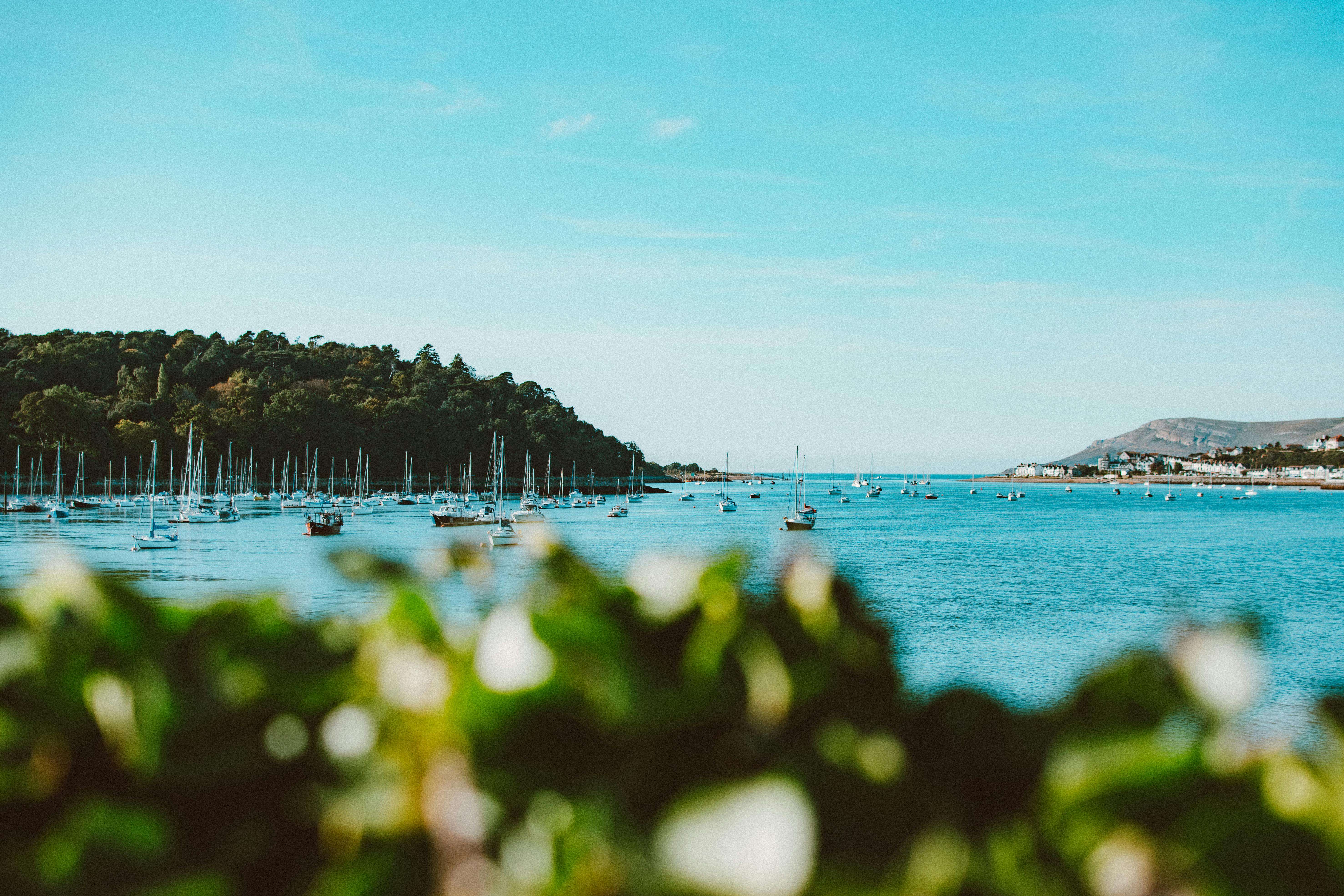
Mumbles seafront and Gower infrastructure. The Mumbles seafront, pier and the tourism infrastructure along the Gower Peninsula face severe coastal weathering. Pier structures, seafront buildings, the lighthouse and visitor facilities all require maintenance in an aggressive salt-spray environment. Rope access is practical for pier steelwork where scaffold over water is complex and expensive.
Neath and Port Talbot industrial corridor. The industrial belt east of Swansea includes chemical works, manufacturing plants, warehousing and logistics facilities alongside the steelworks. These buildings have large-span roofs, high-level steelwork, stack emissions equipment and overhead crane structures — all standard rope access work environments.
Rope Access vs Scaffolding in Swansea
Swansea’s industrial and coastal environment creates specific advantages for rope access:
Steelworks operational constraints. Port Talbot operates blast furnaces continuously — they cannot be shut down for scaffold erection around external structures. Rope access teams work on operational plant during planned maintenance windows, rigging from existing steelwork without obstructing production processes or emergency access routes.
Bristol Channel storm exposure. Swansea Bay faces the prevailing southwesterly weather funnelled up the Bristol Channel. Wind speeds on the waterfront and seafront regularly exceed scaffold safe working limits during autumn and winter. Scaffold on exposed sites requires enhanced bracing, frequent post-storm inspection and extended standing time while waiting for weather windows. Rope access has no standing structure to manage — teams work when conditions allow and demobilise cleanly.
Industrial site hazards. The steelworks and surrounding industrial sites have specific hazards — radiant heat, molten metal splash zones, gas pipelines, overhead cranes — that make scaffold erection within the works complex and heavily risk-assessed. Rope access teams can position themselves precisely, staying clear of hazard zones while reaching the work location.
Narrow city centre streets. The older parts of Swansea’s city centre — High Street, Wind Street, the Kingsway — have limited pavement width and busy pedestrian traffic. Scaffold blocks footfall and affects trade. Rope access requires no ground obstruction.
Seafront and pier access. Scaffold on the Mumbles Pier or over water along the seafront requires marine-grade foundations, tidal considerations and significantly higher cost. Rope access from the pier structure itself or building parapets is simpler, faster and cheaper.
Common Rope Access Projects in Swansea
- Steelworks maintenance — blast furnace external inspection, ductwork access, structural steelwork painting, stack inspection and chimney repair at Port Talbot
- Industrial NDT and inspection — non-destructive testing, thickness measurements and corrosion surveys on process plant and storage tanks across the Neath-Port Talbot corridor
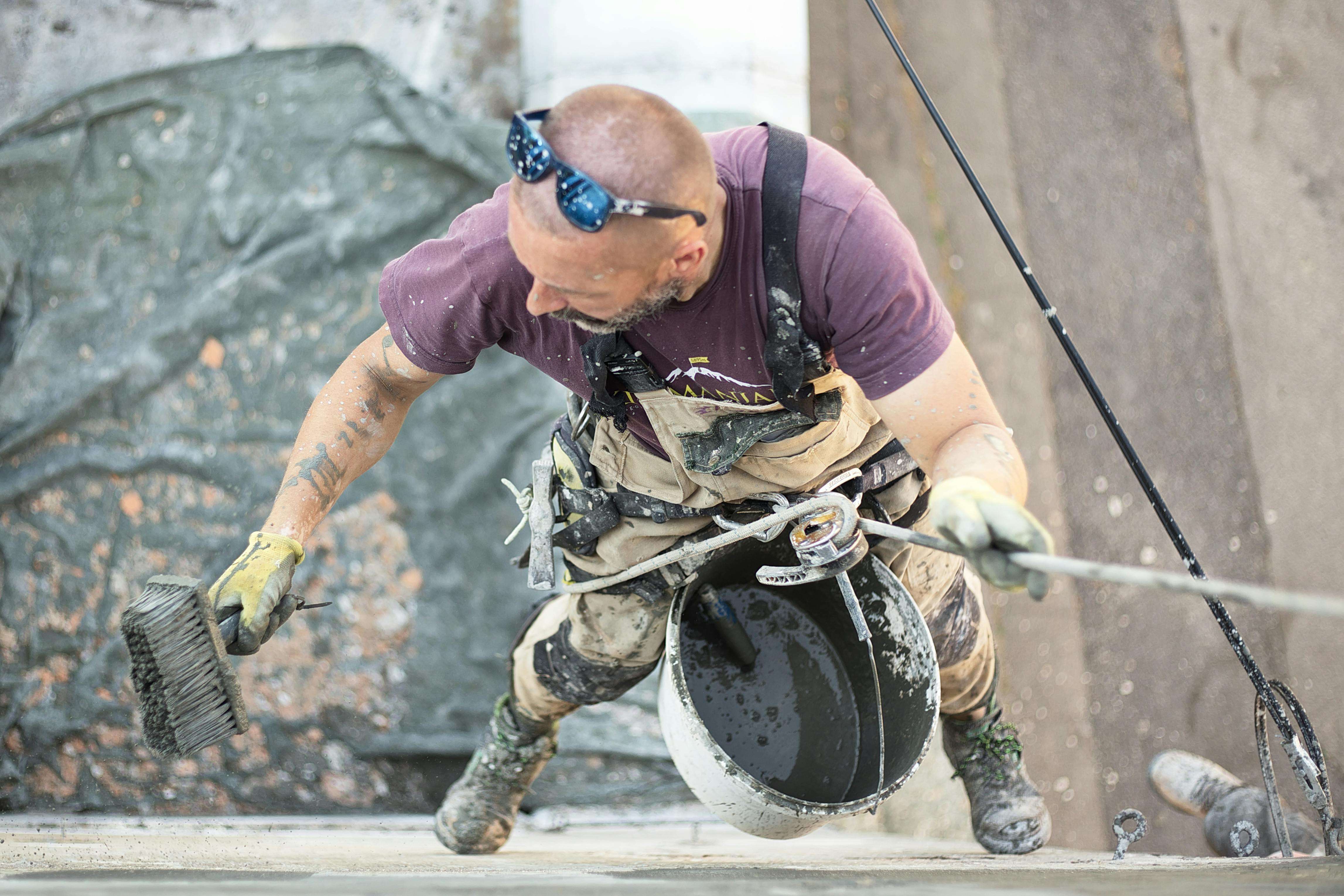
- Facade cleaning and repair — render repair, repointing, stone cleaning and redecoration on city centre commercial and heritage buildings
- Modern cladding maintenance — sealant renewal, panel replacement and curtain wall cleaning on Copr Bay and waterfront developments
- Heritage masonry — conservation-grade stone repair, lime mortar repointing and roof maintenance on the Guildhall, Swansea Castle and listed buildings
- Coastal weathering repair — accelerated render failure, corroded fixings and salt-damaged stonework on Mumbles and Gower seafront buildings
- Concrete repair — spalling concrete on post-war buildings, multi-storey car parks and university campus structures
- Industrial painting — protective coating systems on structural steelwork, warehouse buildings and manufacturing plant across South West Wales
Areas We Cover from Swansea
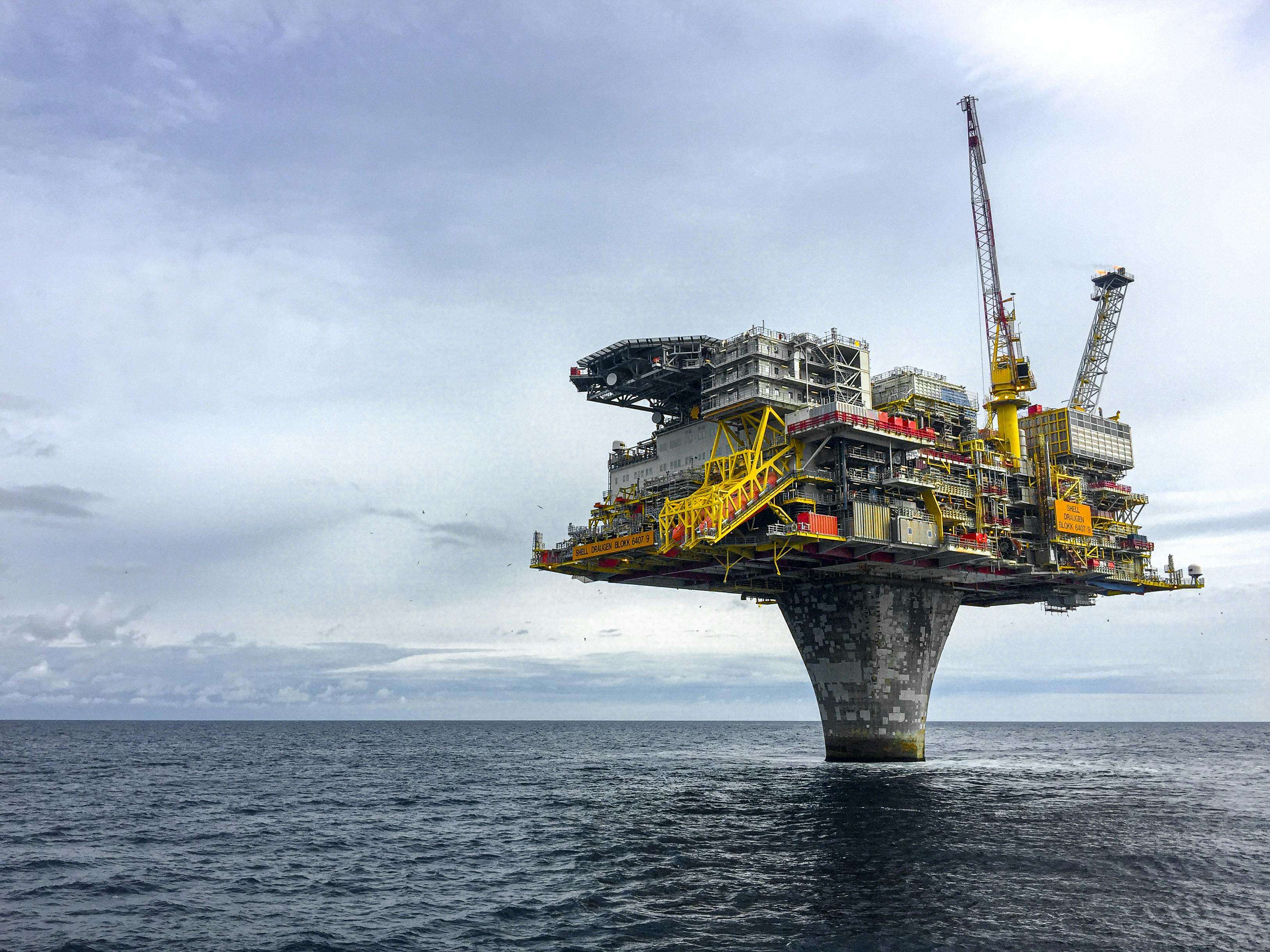
Our rope access operators serve Swansea, Mumbles, Sketty, Gorseinon, Neath and Port Talbot. Wider coverage extends across South West Wales to Llanelli, Carmarthen, Bridgend, Maesteg and the Gower Peninsula, as well as industrial facilities throughout the Neath-Port Talbot corridor and offshore energy assets in the Bristol Channel.