Where Rope Access Is Used in Birmingham
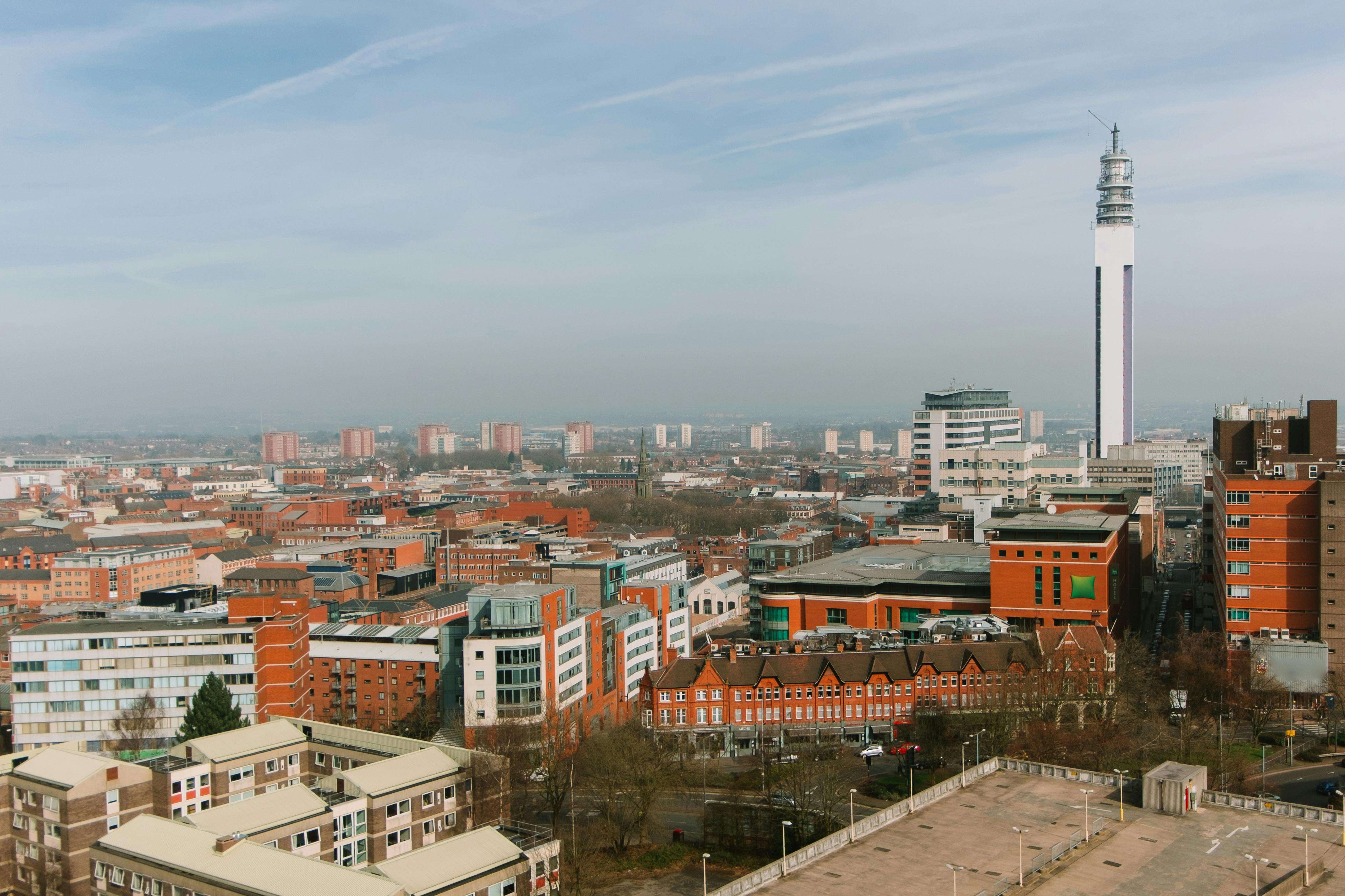
Birmingham’s building stock spans post-war concrete, Victorian industrial heritage and a fast-growing crop of modern towers. Rope access is used across all of them:
Commercial office towers. The Colmore Business District is home to Birmingham’s densest cluster of mid- and high-rise office buildings — 103 Colmore Row, The Colmore, One Snowhill and Two Snowhill all require regular facade cleaning, curtain wall seal replacement and glazing inspections. These buildings sit on narrow streets with heavy pedestrian footfall, making ground-level scaffold impractical for routine maintenance.
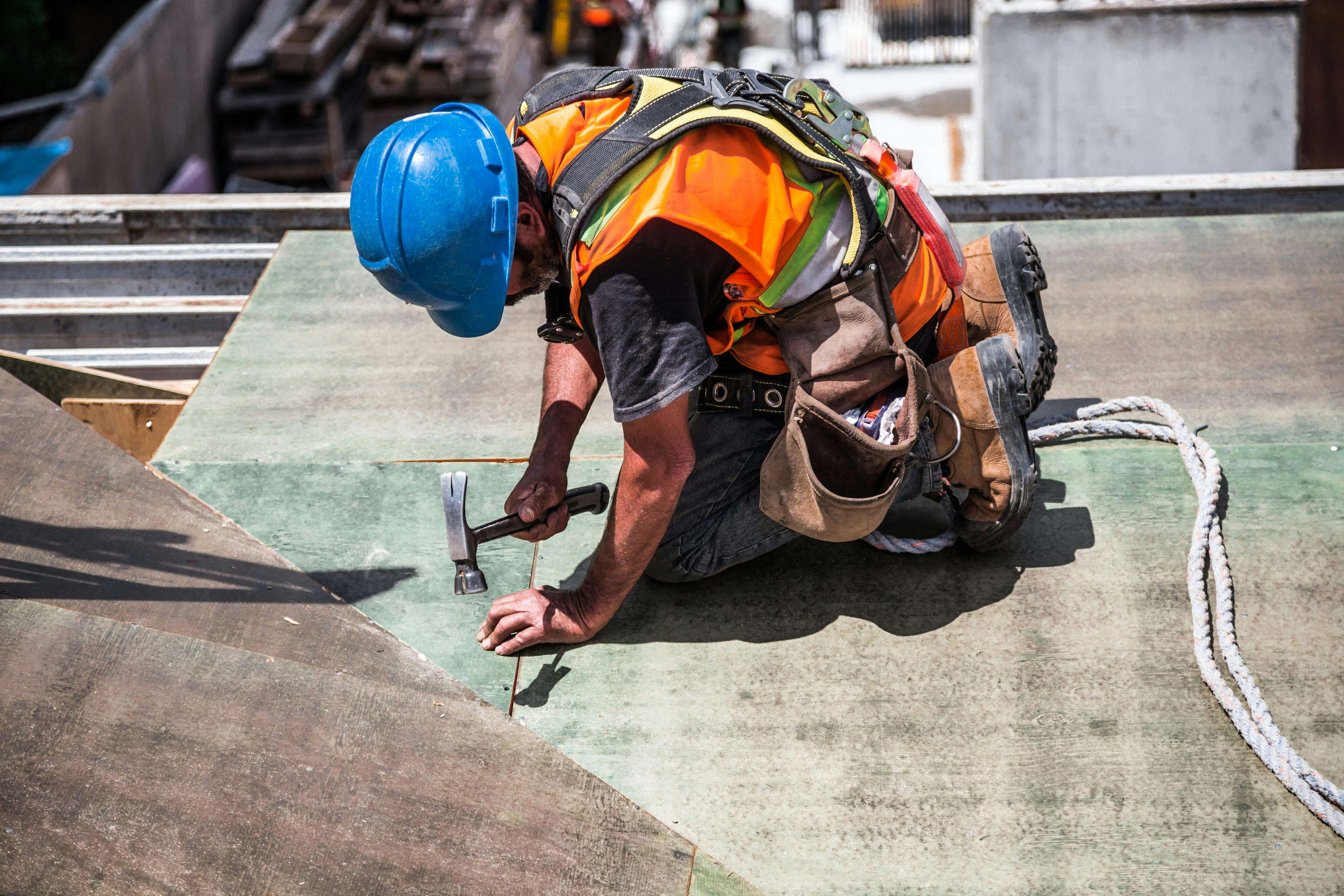
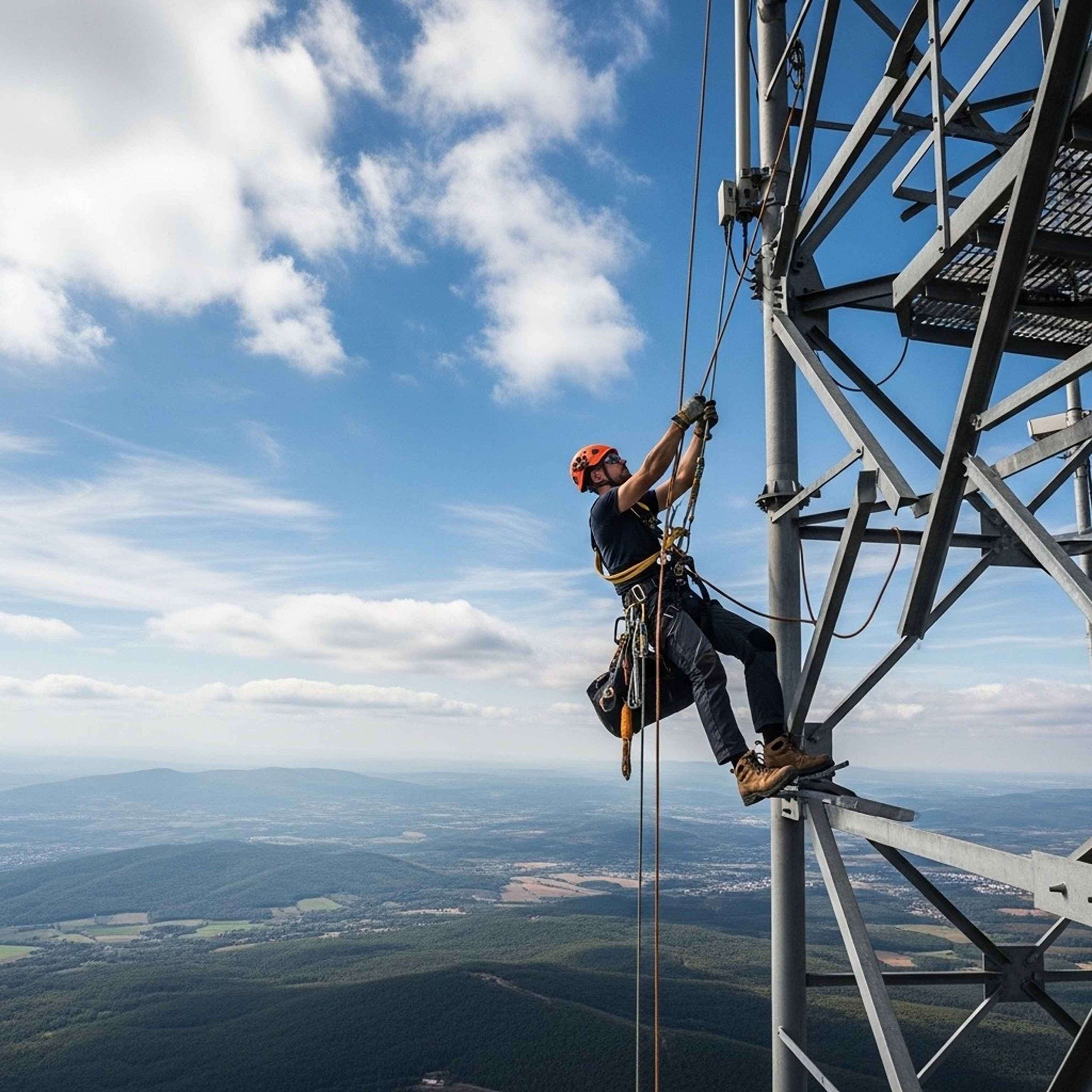
HS2 and major infrastructure. The Curzon Street terminus and associated viaduct works represent one of the largest infrastructure projects in Europe. Rope access is used during construction for steel fixing, bolt torquing, concrete inspection and painting at height — and will be needed for ongoing maintenance once the station is operational.
Retail and leisure complexes. The Bullring and Grand Central shopping centres, the Library of Birmingham and Resorts World at the NEC all feature complex facades combining glazing, cladding panels and architectural metalwork. Rope access provides targeted maintenance access without closing retail units or public areas.
Heritage buildings. The Jewellery Quarter is a conservation area with hundreds of listed Victorian workshops and commercial buildings needing stonework repair, repointing and rainwater goods maintenance. Across the wider city centre, the Council House, Victoria Law Courts and the cathedral require specialist conservation-grade access.
Residential towers and cladding remediation. Birmingham has a significant stock of residential towers built between 2005 and 2020, many of which are now subject to Building Safety Act requirements. Post-Grenfell EWS1 surveys, ACM cladding removal and fire-stopping remediation are a major and growing market. Rope access is the standard method for this work — faster to mobilise and far less disruptive to residents than full scaffold wraps.
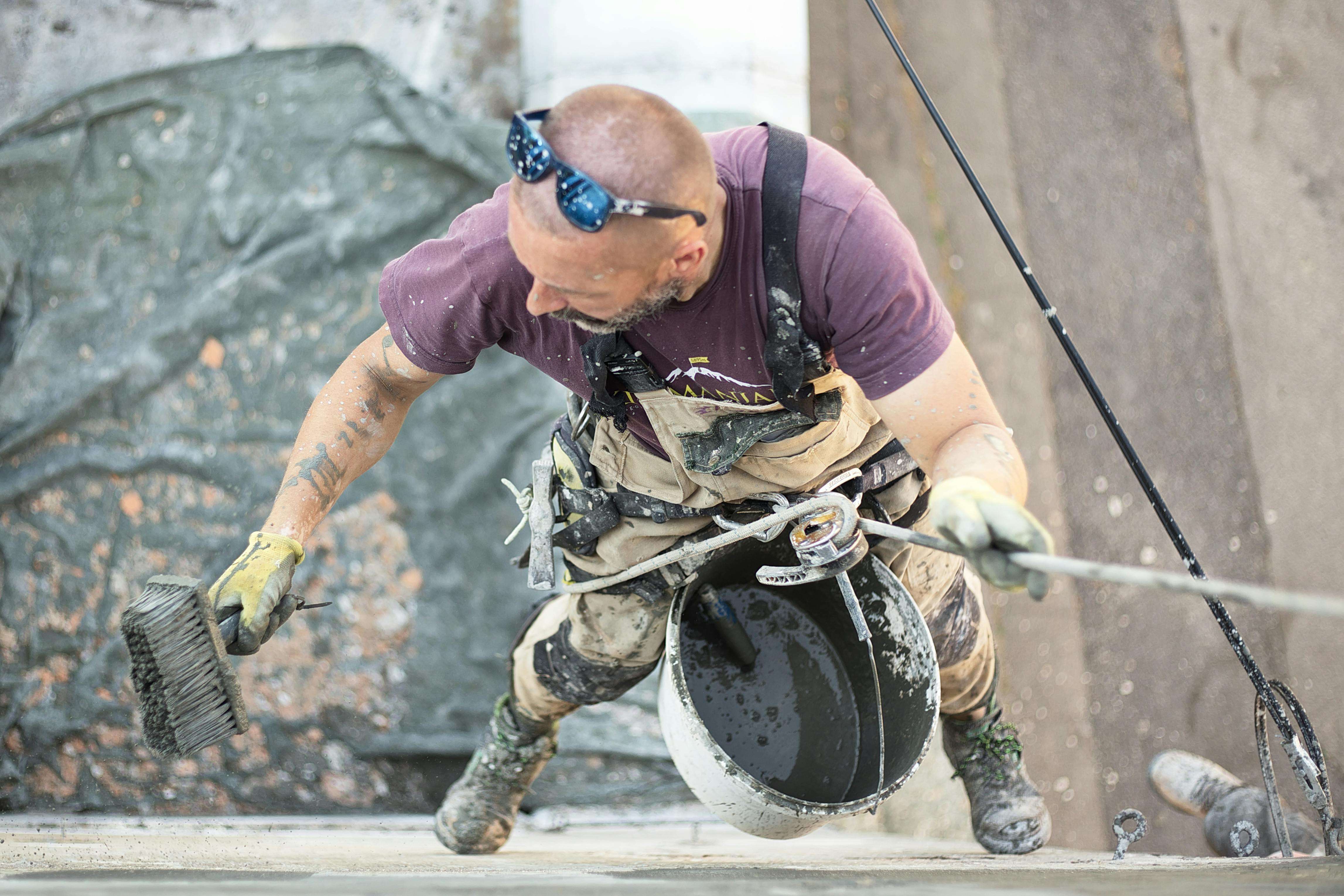
Post-war concrete estates. The city has a legacy of 1960s and 70s concrete housing blocks and civic buildings with spalling concrete, corroded reinforcement and failing expansion joints. Concrete repair by rope access avoids the cost and disruption of scaffolding entire elevations.
Stadiums and arenas. Villa Park, St Andrew’s, Edgbaston cricket ground and the Utilita Arena all require periodic high-level maintenance — roof inspections, steelwork painting, floodlight access, signage and gutter cleaning.
Rope Access vs Scaffolding in Birmingham
Birmingham has city-specific factors that make rope access the practical choice for most at-height work:
Colmore Business District access constraints. The office quarter’s narrow streets and heavy pedestrian traffic make scaffold erection disruptive and expensive. Pavement occupation licences, temporary traffic orders and pedestrian diversions add cost and delay. Rope access teams mobilise from the roof with no ground-level footprint.
HS2 construction zone restrictions. Active construction zones around Curzon Street impose strict logistics and access controls. Rope access teams require minimal plant, no crane lifts for scaffold materials and far less coordination with other trades.
Jewellery Quarter conservation controls. Scaffold on listed frontages in the Jewellery Quarter conservation area can trigger additional planning requirements and risks damage to ornamental facades. Rope access avoids both issues and allows targeted repairs to specific areas of stonework without wrapping an entire elevation.
Canal-side and regeneration sites. Birmingham’s canal network runs through the city centre, and many regeneration sites (Brindleyplace, the Mailbox, Eastside) have buildings directly adjacent to the water. Scaffold foundations on towpaths and canal edges present engineering and safety challenges that rope access eliminates entirely.
Occupied retail and commercial buildings. Scaffold around the Bullring or along New Street blocks daylight, obscures shopfronts and creates security risks. Building managers and retail tenants strongly prefer rope access for routine cleaning and maintenance precisely because it avoids these problems.
Speed of mobilisation. Birmingham’s property management market increasingly demands reactive maintenance — a leaking curtain wall seal or storm-damaged coping stone cannot wait three weeks for scaffold. Rope access teams can be on-site and working within a day.
Common Rope Access Projects in Birmingham
The most frequently requested rope access work across Birmingham and the West Midlands includes:
- Cladding inspection and remediation — EWS1 surveys, ACM removal, overcladding and fire-stopping on residential towers across the city
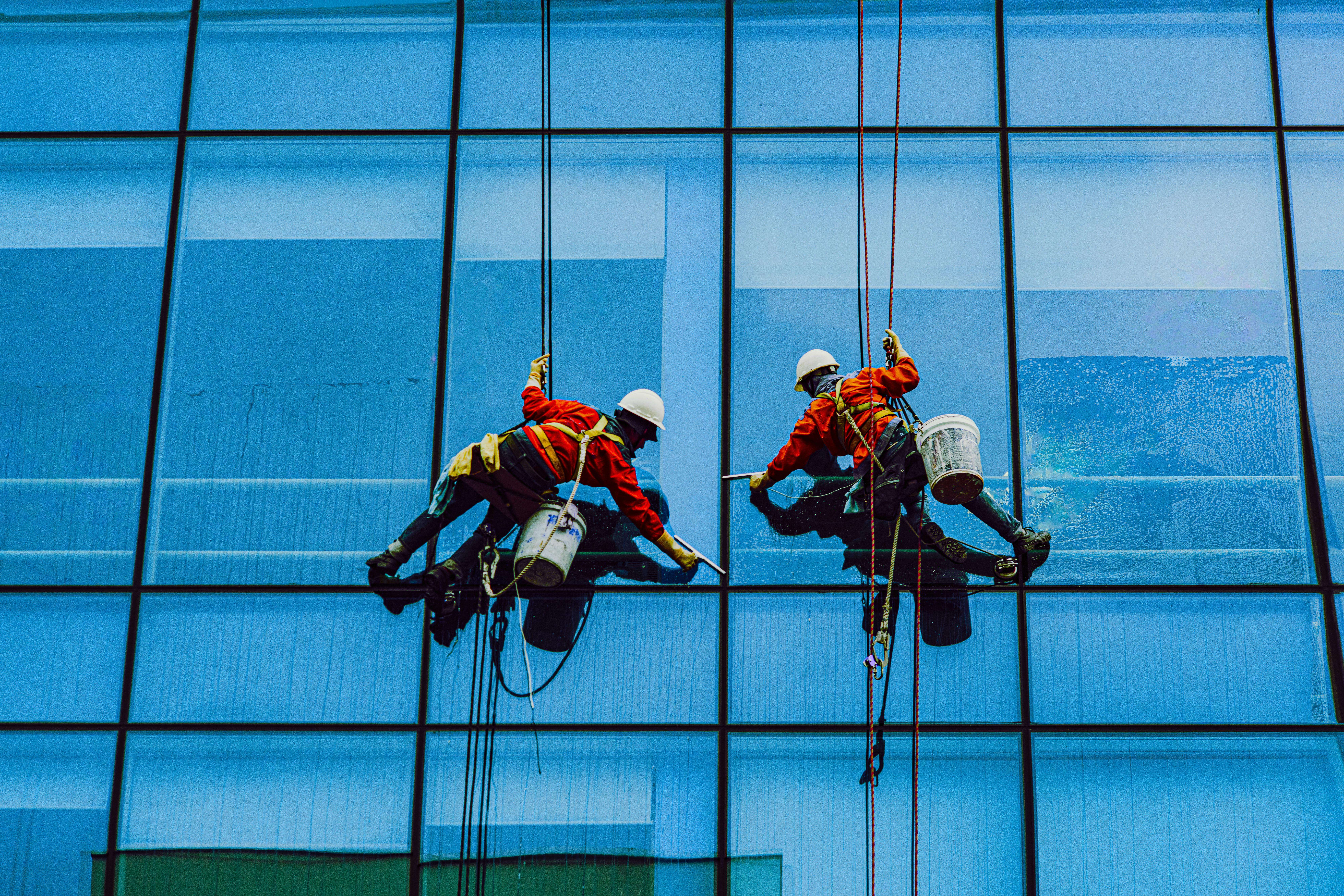
- Facade cleaning — both modern curtain wall systems on Colmore Row office towers and traditional brick and stone facades across the city centre
- Concrete repair — spalling concrete on post-war housing blocks, multi-storey car parks and civic buildings
- Glazing replacement — failed sealed units, cracked panels and gasket replacements on commercial high-rises
- Heritage stonework restoration — stone repair, repointing, stucco work and chimney stabilisation in the Jewellery Quarter and wider conservation areas
- Building surveys and condition reports — close-up facade inspection for structural engineers, insurance assessors and building safety managers
- Industrial painting — protective coatings on structural steelwork, bridges, gantries and infrastructure assets
- Waterproofing and sealant renewal — expansion joints, curtain wall perimeter seals and weatherproofing on commercial buildings
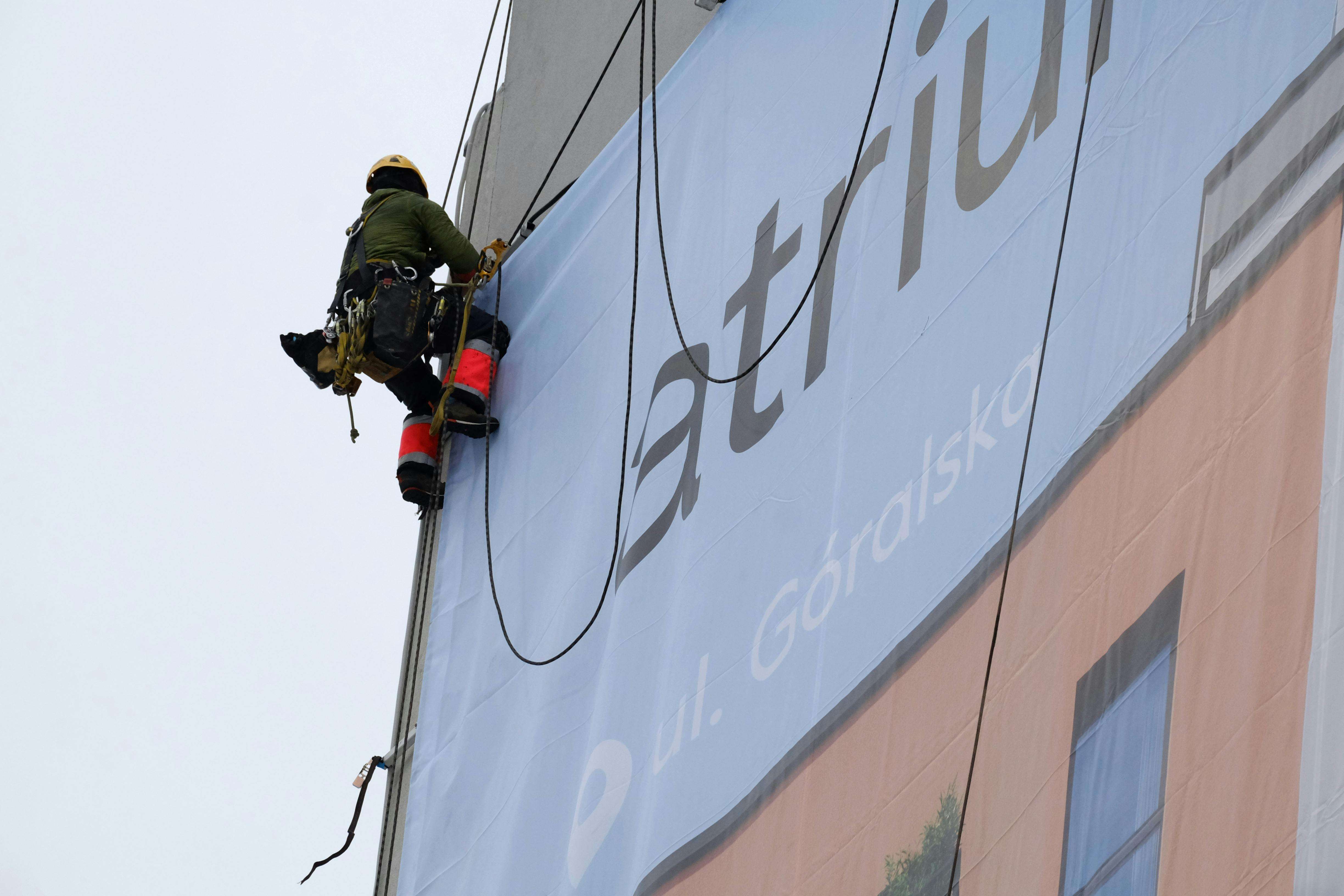
- Signage installation — building signage, wayfinding and branding on commercial towers and retail complexes
- Lightning protection — installation, testing and repair of conductor systems on tall buildings and infrastructure
Areas We Cover from Birmingham
Our operators cover Birmingham city centre and the wider West Midlands conurbation. Key areas of activity include Solihull, Wolverhampton, Dudley, Walsall, Coventry, Sutton Coldfield, West Bromwich, Tamworth, Redditch and the Black Country towns. We also serve the wider Midlands region including Warwick, Stratford-upon-Avon, Worcester and the M6 corridor.