Where Rope Access Is Used in Bradford
Bradford’s building stock is overwhelmingly Victorian sandstone — a material that weathers distinctively in West Yorkshire’s climate and demands specialist maintenance. The city’s architectural heritage is exceptional, and the buildings that make it exceptional are the same ones that need the most work.
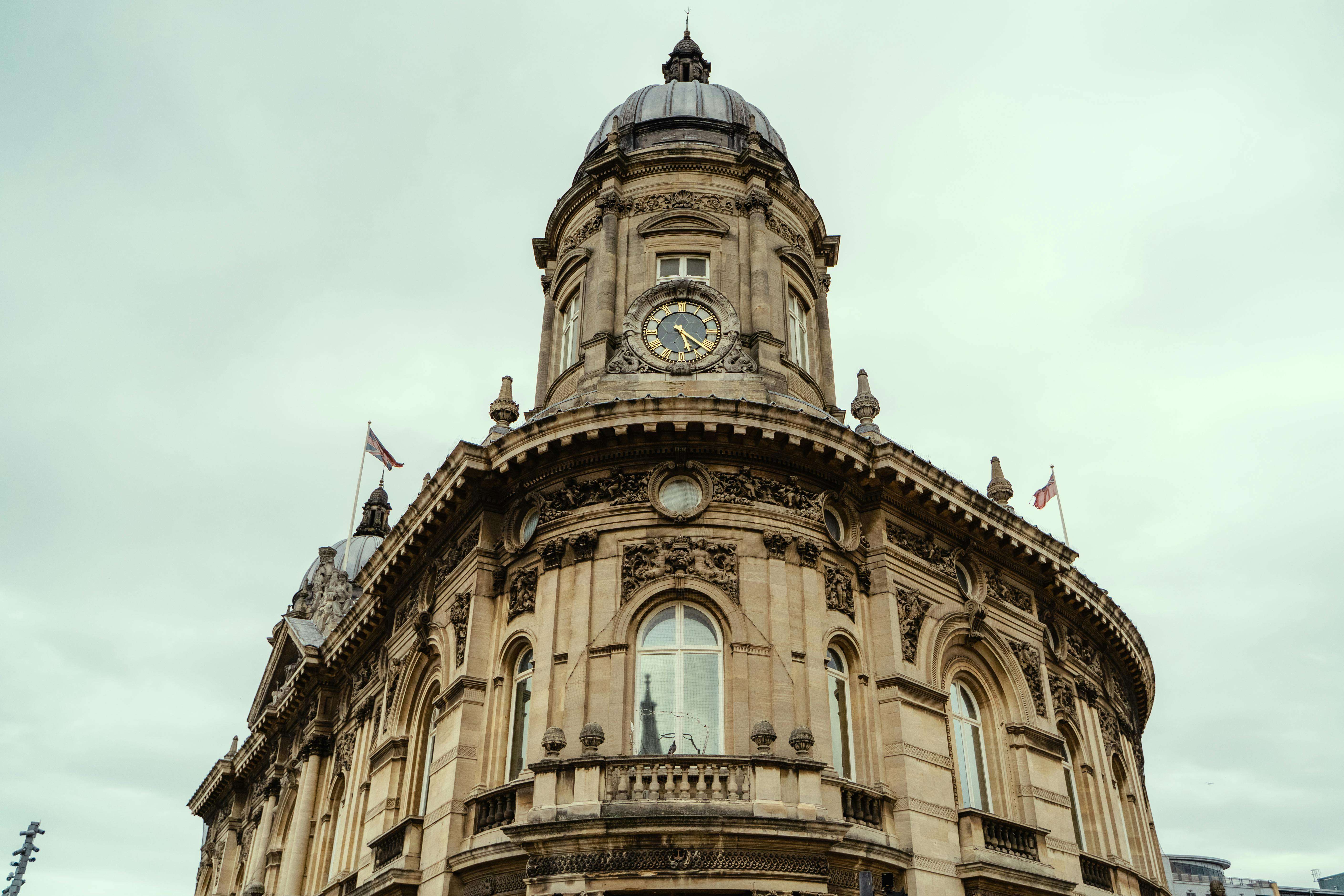
Little Germany quarter. This compact area contains the finest collection of Victorian mercantile warehouses in England — ornate Italianate sandstone facades, five and six storeys high, with carved cornices, pilasters, pediments and window surrounds. Many are now Grade II listed. The stonework requires cyclical cleaning (DOFF steam cleaning to remove biological growth without damaging the stone), repointing in lime mortar, and carved stone indent repair where detail has eroded. Rope access is the only practical method that allows targeted work on individual elevations without wrapping an entire building in scaffold.
Wool Exchange and civic buildings. The Grade I listed Wool Exchange, Bradford City Hall and the Alhambra Theatre are among the city’s most prominent buildings. Their elaborate Gothic Revival facades feature carved stone detailing at height — finials, crockets, tracery and gargoyles — that requires close-up inspection and careful conservation repair. Scaffold on these buildings triggers additional listed building consent requirements and obscures the frontage for months. Rope access allows surveyors and conservators to reach specific areas directly.
Manningham Mills and converted industrial buildings. Manningham Mills, one of the largest silk mills ever built, is Grade II* listed and now converted to residential use. Bradford has dozens of similar large-scale mill conversions — Lister Mills, Drummond Mills, Conditioning House — where the exterior sandstone and the tall chimney stacks require ongoing maintenance. The chimney stacks in particular are rope access work by default: scaffold around a freestanding chimney is expensive and complex.
City Village masterplan and regeneration. Bradford’s city centre regeneration is bringing new mixed-use developments alongside heritage restoration. New buildings in the masterplan area require snagging, facade cleaning and defect repair as they complete. The regeneration also drives investment in existing buildings — facade cleaning, window replacement and re-roofing on surrounding streets.
University and institutional buildings. The University of Bradford’s campus includes a mix of 1960s concrete buildings (showing signs of carbonation and spalling) and more recent structures. The National Science and Media Museum’s distinctive curved facade requires specialist cleaning. Bradford Cathedral’s medieval stonework needs conservation-grade repair.
Rope Access vs Scaffolding in Bradford
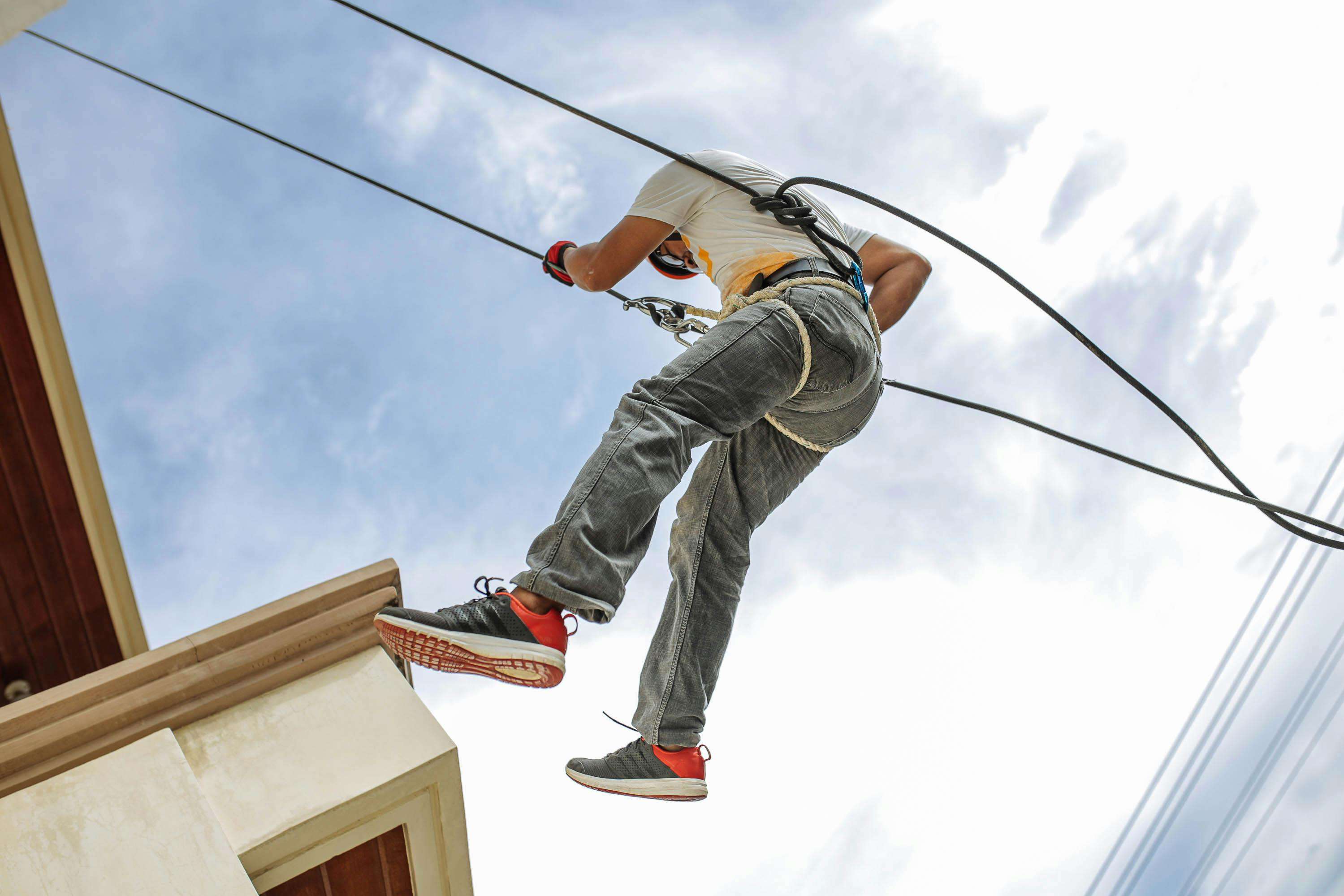
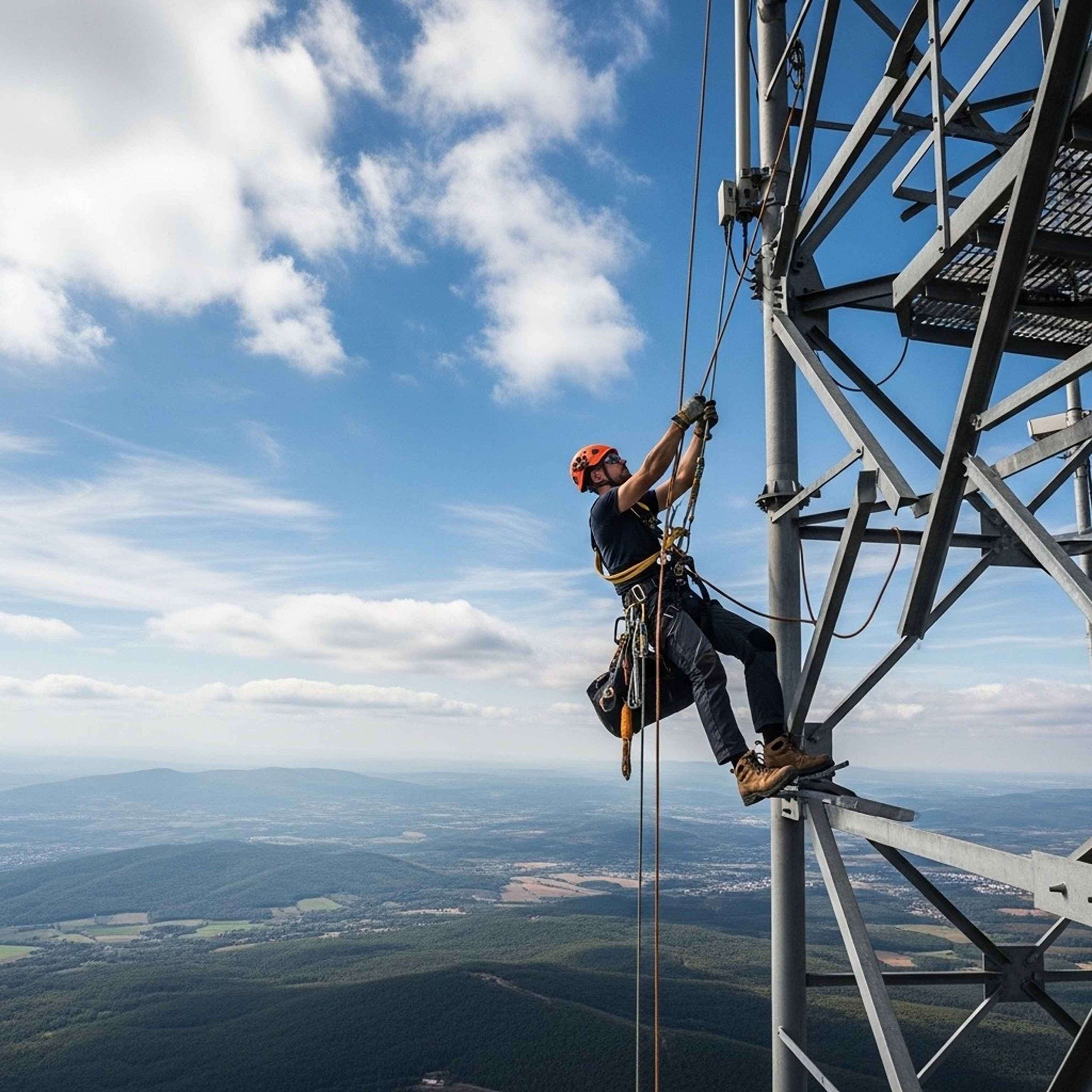
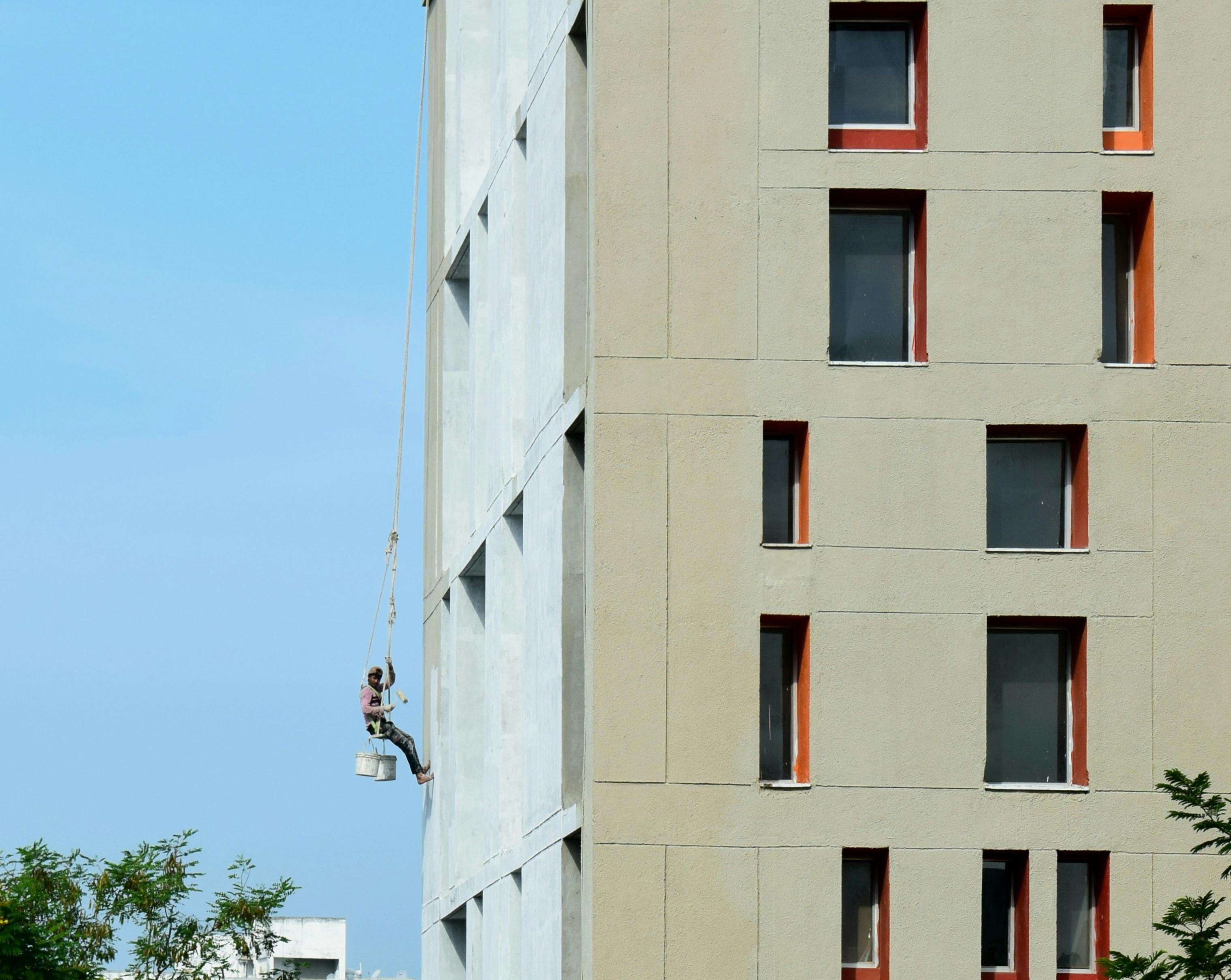
Bradford’s specific building types and urban form make rope access particularly effective:
Sandstone sensitivity. Yorkshire sandstone is porous and relatively soft. Scaffold fixings drilled into sandstone facades can cause lasting damage — cracked stone, open holes that admit water, and staining from steel fittings. Rope access uses roof-level anchor points, avoiding any contact with the facade stone.
Narrow Victorian streets. Little Germany and much of the city centre has narrow streets with buildings rising directly from the pavement edge. Scaffold in these streets blocks pedestrian access, requires road closures and can obstruct emergency vehicle access. Rope access eliminates ground-level obstruction entirely.
Listed building constraints. Bradford has over 100 listed buildings in the city centre alone. Scaffold on a listed building frontage requires listed building consent in many conservation areas, adding weeks to project timescales. Rope access is generally permitted without additional consents.
Mill chimney access. Bradford’s mill chimneys — some exceeding 80 metres — cannot be practically scaffolded. Rope access is the standard method for chimney inspection, repointing, lightning conductor testing and cap repair. It is also substantially cheaper: scaffold around a tall freestanding chimney can cost more than the repair work itself.
Phased heritage programmes. Many of Bradford’s heritage buildings are in multiple ownership (converted to flats or offices). Managing agents need to phase exterior work across financial years. Rope access allows work on one elevation or one section at a time without the all-or-nothing commitment of a full scaffold wrap.
Common Rope Access Projects in Bradford
- DOFF and TORC cleaning — steam and gentle abrasive cleaning of blackened sandstone facades, particularly in Little Germany and the civic quarter
- Lime mortar repointing — removal of failed cement pointing and replacement with lime mortar appropriate to the original construction
- Carved stone repair — indent repair and plastic repair of eroded decorative stonework on listed buildings
- Chimney inspection and repair — structural surveys, repointing, cap repair and lightning conductor maintenance on mill chimney stacks
- Gutter and rainwater goods — cast iron gutter clearing, downpipe replacement and hopper head repairs on Victorian commercial buildings
- Concrete repair — patch repair of spalling concrete on 1960s university buildings and car park structures
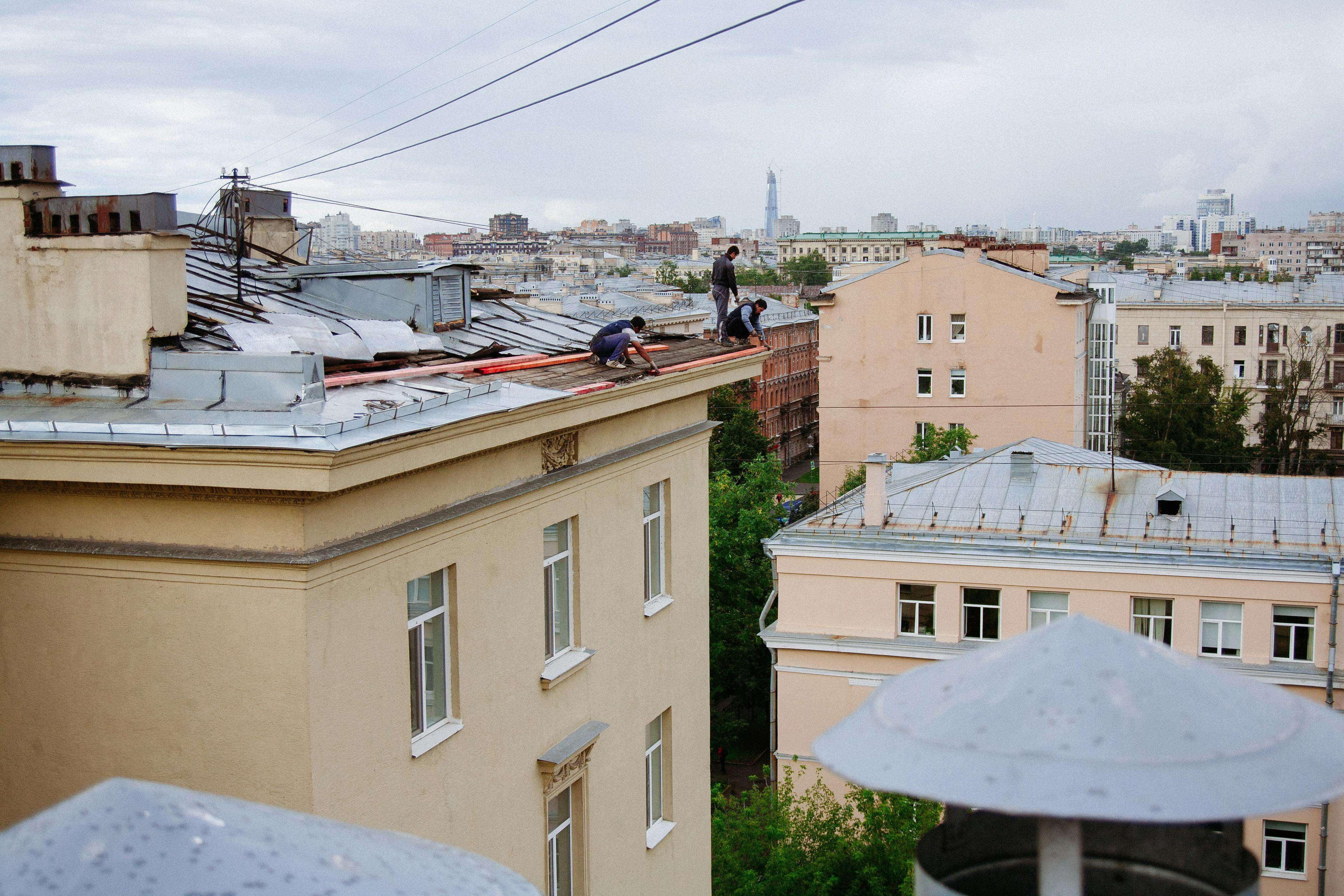
- Roof surveys — close-up inspection of slate roofing, leadwork flashings and parapet walls with photographic condition reports
- Bird proofing — netting and spike installation on commercial buildings and converted warehouses, particularly where pigeon roosting accelerates sandstone decay
Areas We Cover from Bradford
Our rope access operators serve Bradford, Shipley, Saltaire, Bingley, Keighley and Ilkley. Wider coverage extends across West Yorkshire to Leeds, Halifax, Huddersfield, Dewsbury, Wakefield and Harrogate, as well as the surrounding mill towns of the Aire and Calder valleys.