Where Rope Access Is Used in Newcastle
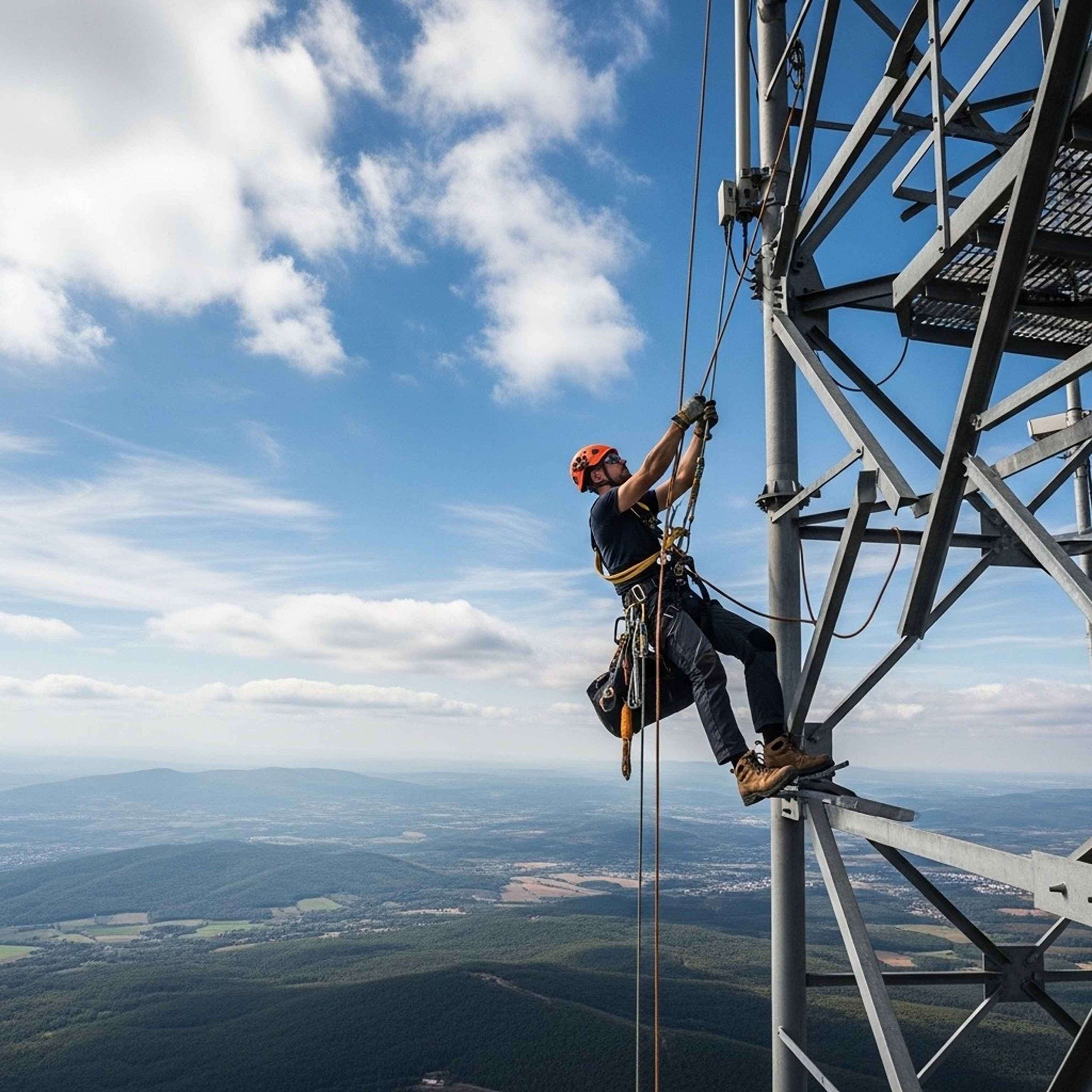
Newcastle’s built environment combines Victorian commercial grandeur, iconic bridge infrastructure, a modern Quayside development and proximity to the North Sea offshore energy sector. Rope access is embedded across all of these markets.
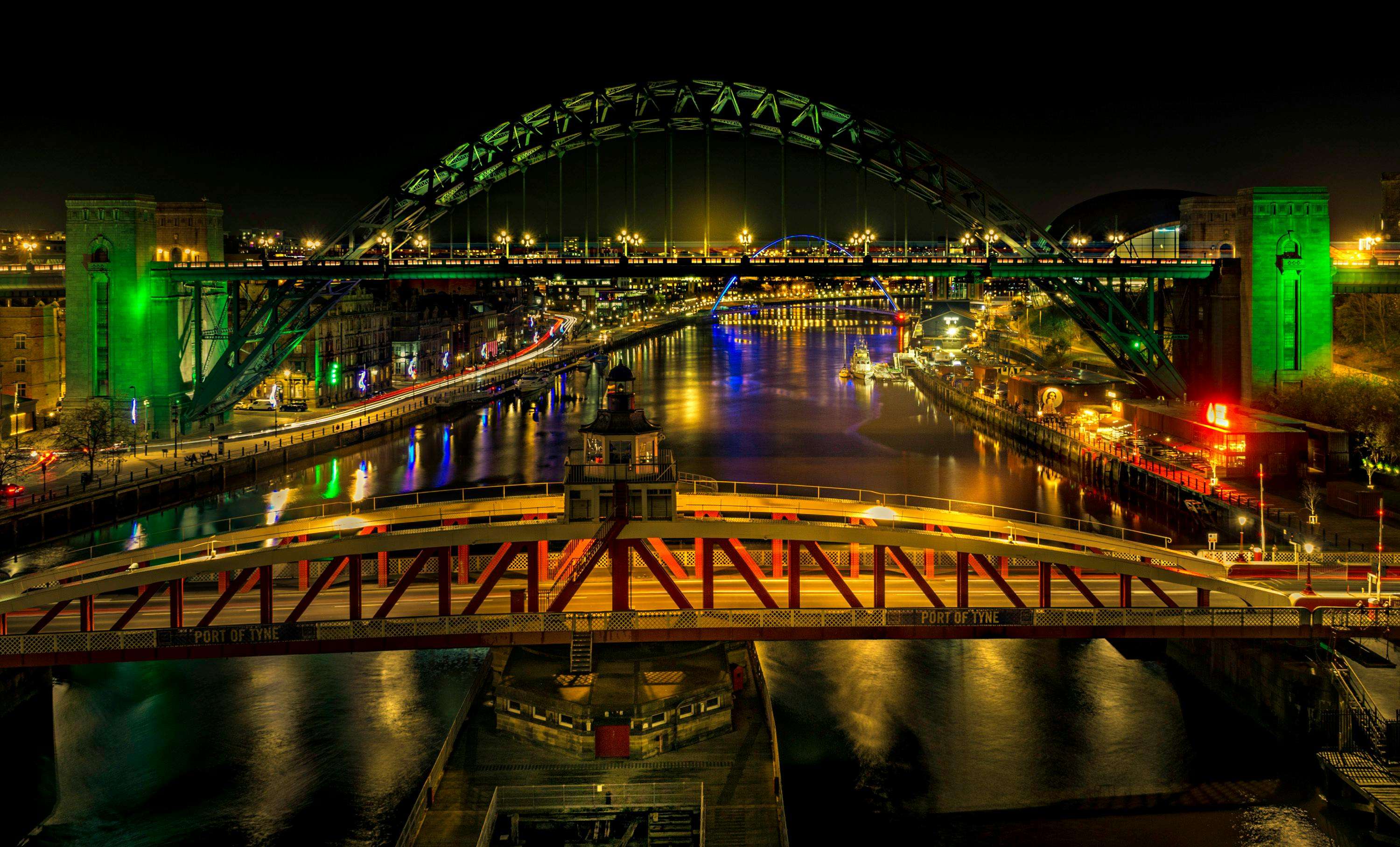
Bridges. Tyneside’s bridges are one of the largest single sources of rope access work in the North East. The Tyne Bridge, High Level Bridge, Swing Bridge, Redheugh Bridge and the Gateshead Millennium Bridge all require regular inspection, painting and structural maintenance. Rope access is the default method for soffit inspection, bearing surveys, steelwork painting and cable checks — scaffolding a bridge span over a tidal river is prohibitively expensive and disruptive.
Grainger Town and Grey Street. Newcastle’s Grainger Town is one of the finest collections of Victorian commercial architecture in England, with Grey Street regularly cited as the best curved Georgian street in the country. Stone cleaning, stucco repair, chimney work and roof surveys on these listed buildings are routine rope access projects. The tight streetscape and conservation-area status make scaffold erection problematic.
Quayside and modern development. The Quayside regeneration, the Helix Innovation District and new office developments around Pilgrim Street and Stephenson Quarter have added modern glass and steel buildings to the city. These require cyclical facade cleaning, glazing replacement and sealant renewal — standard rope access work.
Cultural and civic buildings. The Baltic Centre for Contemporary Art, Sage Gateshead, the Theatre Royal, St Nicholas Cathedral and the Castle Keep all present specialist access challenges. The Baltic’s converted flour silo and the Sage’s curved glass shell both require rope access for any external maintenance.
University campuses. Newcastle University and Northumbria University have extensive city centre estates with buildings spanning every era from Victorian to contemporary. Both institutions run rolling maintenance programmes requiring external access for facade repairs, roof surveys and gutter clearance.
Metro infrastructure. The Tyne and Wear Metro system includes elevated sections, stations and viaducts requiring regular inspection and maintenance. Rope access is used for structural surveys, painting and repair work on these transport assets.
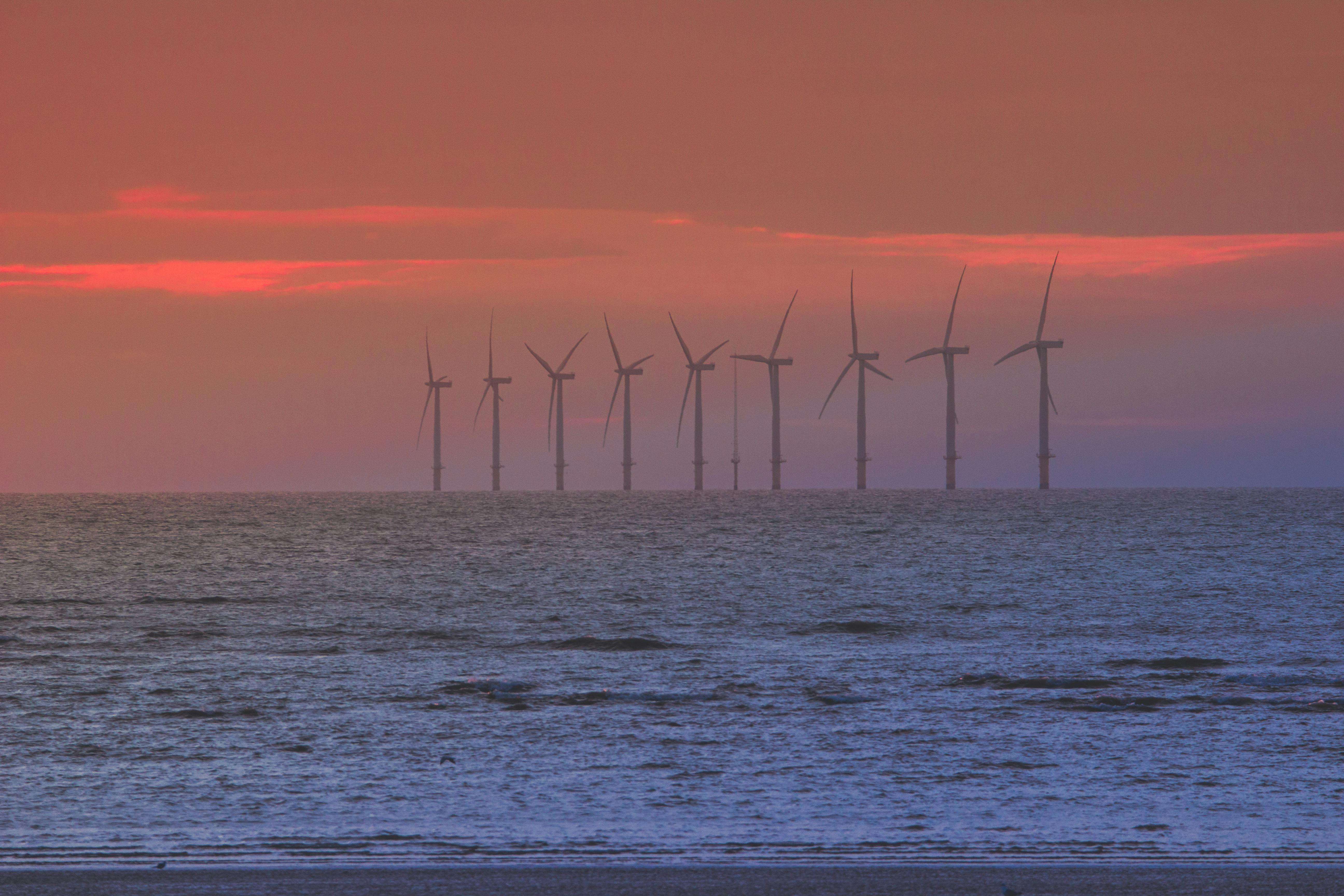
Offshore wind. Newcastle and the wider Tyneside area is a mobilisation hub for North Sea offshore wind farms including Dogger Bank — one of the world’s largest. Rope access technicians deploy from the region for blade inspection, repair and tower maintenance on offshore turbines.
Rope Access vs Scaffolding in Newcastle
Newcastle’s geography, heritage density and infrastructure create clear advantages for rope access over traditional methods.
Bridge access over the Tyne. Scaffolding a bridge span over a tidal river requires marine plant, navigation authority permits and extensive traffic management. Rope access teams can deploy from the bridge deck or abutments and work on soffits, bearings and steelwork with minimal disruption to road, rail or river traffic.
Grainger Town conservation area. The Grainger Town conservation area covers much of the city centre’s finest Victorian architecture. Scaffold on these frontages may require conservation officer approval and risks causing damage to ornate stonework during erection. Rope access avoids both issues.
Steep terrain along the river. The Tyne valley creates significant gradients between the Quayside and the city centre above. Buildings along the river have rear elevations several storeys higher than their front — scaffold foundations on sloping ground add cost and complexity that rope access eliminates.
Quayside pedestrian areas. The Quayside promenade is a busy pedestrian zone, particularly during weekends and the Sunday market. Scaffold would block access and trading; rope access leaves the ground clear.
Offshore mobilisation speed. Offshore wind turbine work is weather-dependent and often requires rapid mobilisation when a suitable weather window opens. Rope access teams can deploy from Tyneside to offshore sites at short notice — there is no scaffold equivalent for turbine blade work.
Common Rope Access Projects in Newcastle
- Bridge inspection and maintenance — soffit surveys, bearing inspection, steelwork painting and structural assessment on Tyne crossings and railway bridges
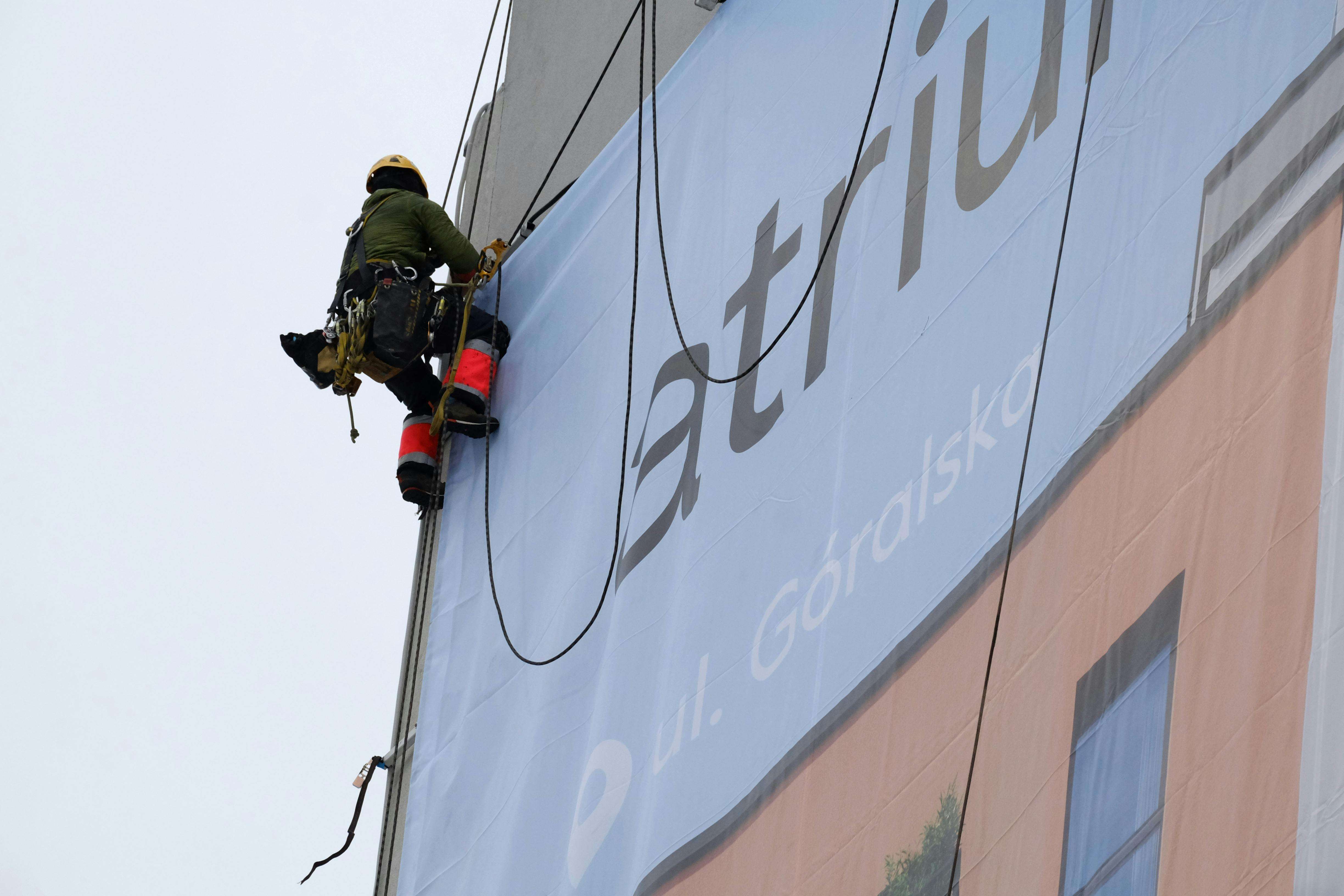
- Facade cleaning and restoration — stone cleaning on Grainger Town buildings, curtain wall cleaning on Quayside offices, render repair on residential blocks
- Heritage stonework repair — lime mortar repointing, stone replacement and decorative restoration on listed Victorian and Georgian buildings
- Offshore wind turbine maintenance — blade inspection, leading-edge repair, tower painting and cable inspection on North Sea wind farms
- Building surveys and condition reports — close-up inspection access for structural engineers on commercial, heritage and residential buildings
- High-level painting and protective coatings — steelwork painting on bridges, industrial facilities and commercial buildings
- Concrete repair — spalling concrete on post-war housing blocks, multi-storey car parks and civic structures
- Cladding inspection and remediation — EWS1 surveys and cladding works on residential towers
- Metro infrastructure maintenance — structural surveys, painting and repair on elevated sections and stations
Areas We Cover from Newcastle
Our operators cover the wider Tyneside and North East region. Key areas of activity include Gateshead, Sunderland, South Shields, North Shields, Tynemouth, Whitley Bay, Durham, Blyth, Cramlington, Washington and the Team Valley. We also serve offshore mobilisation from the Tyne and Wear coast for North Sea wind farm and energy infrastructure projects.