Where Rope Access Is Used in Sunderland
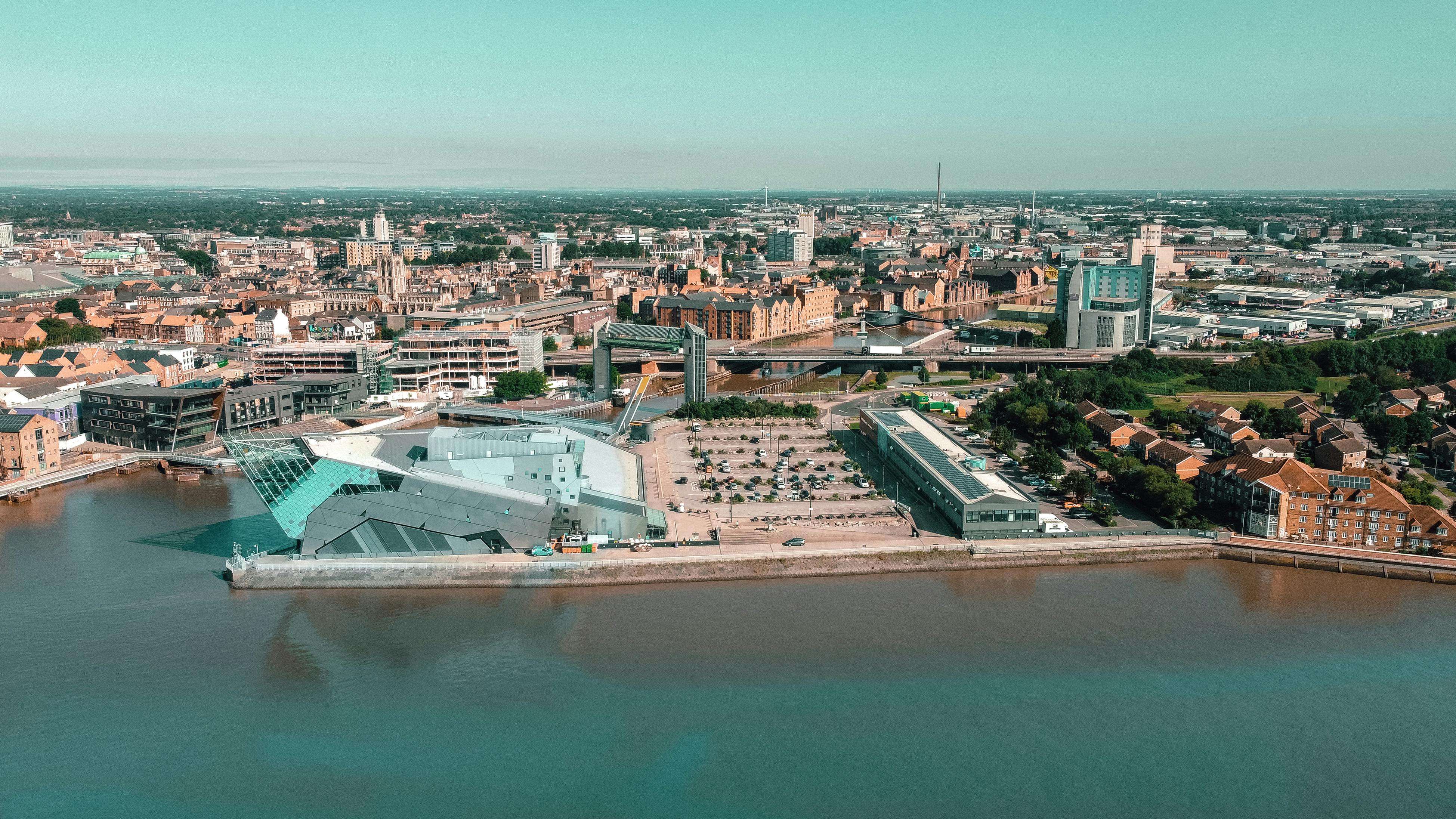
Sunderland is undergoing a fundamental economic transformation — from traditional heavy industry to advanced manufacturing and renewable energy. The rope access requirements reflect this transition, spanning gigafactory infrastructure, heritage buildings and a major waterfront regeneration programme.
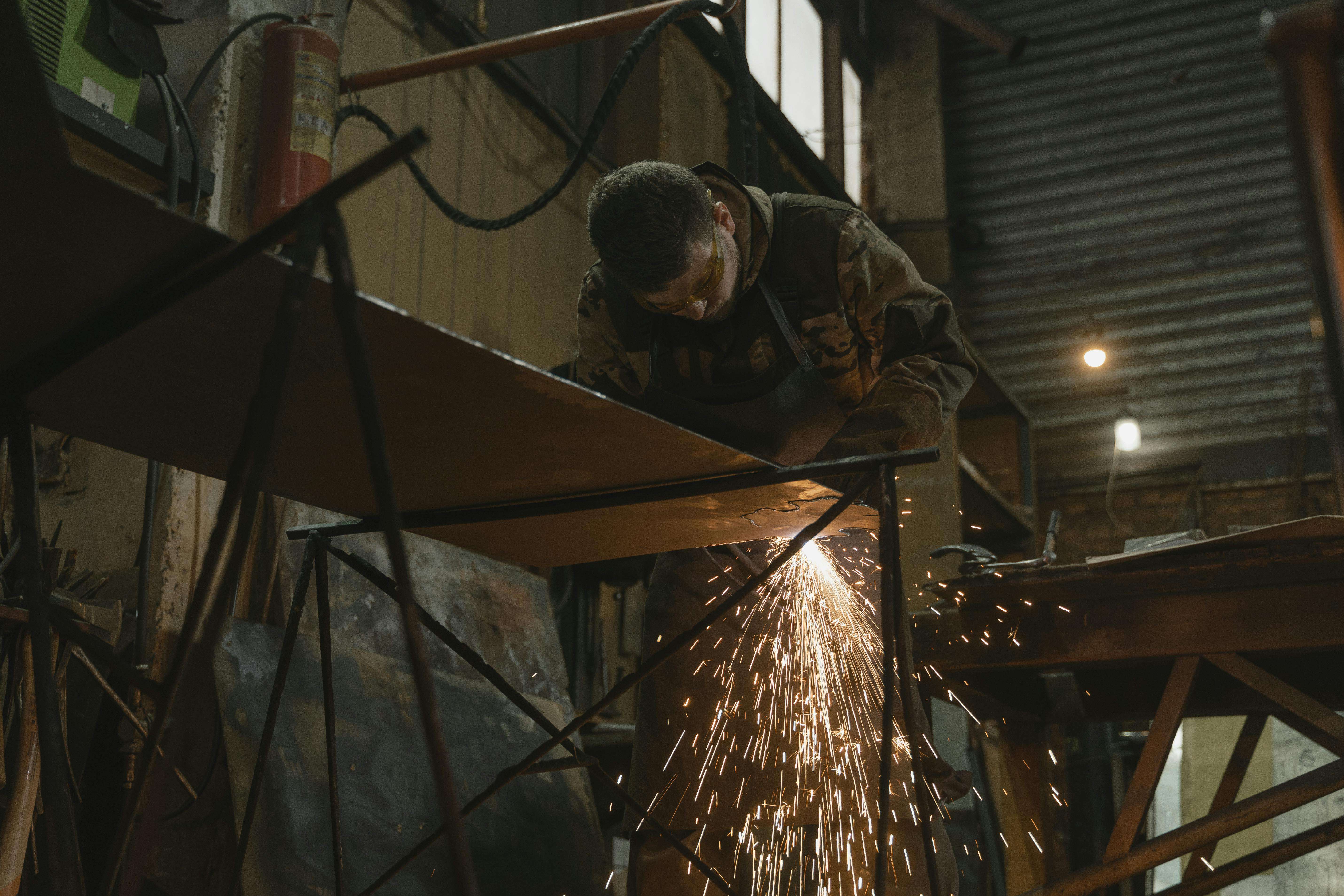
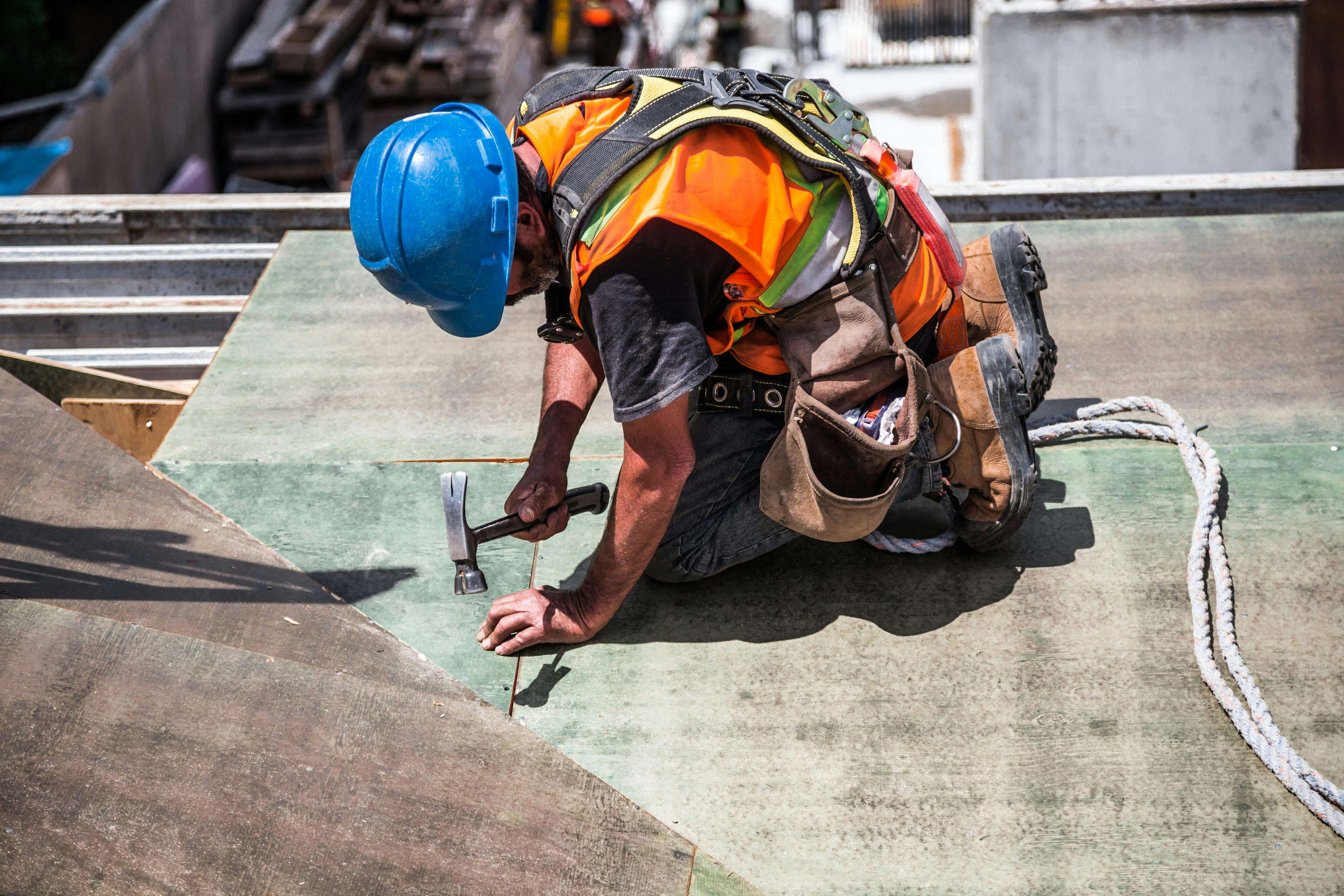
AESC gigafactory and Nissan plant. The AESC gigafactory — Europe’s first dedicated electric vehicle battery plant, now expanding to a third phase — and the adjacent Nissan manufacturing plant together form one of the largest advanced manufacturing complexes in the UK. These facilities have large-span steel-framed buildings, high-level process equipment, overhead crane systems and extensive ductwork that require periodic inspection, cleaning and maintenance. Rope access is the standard method for working at height inside operational manufacturing buildings — it avoids the production shutdowns that scaffold erection would require.
Riverside Sunderland regeneration. The former Vaux Brewery site on the riverfront is being transformed into Riverside Sunderland — a 1.5 billion pound programme delivering new civic buildings (including the new City Hall), residential blocks, commercial offices and public realm. As these buildings complete and mature, they require snagging, facade defect repair, curtain wall maintenance and cleaning. The programme is ongoing, creating sustained demand over the coming decade.
Stadium of Light and leisure facilities. The 49,000-seat Stadium of Light requires high-level maintenance on its roof structure, steelwork, floodlight towers and facade cladding. The Aquatic Centre and other leisure buildings in the area have modern cladding and glazing systems needing periodic attention.
National Glass Centre and cultural buildings. The National Glass Centre’s distinctive glazed facade — appropriate for a building celebrating Sunderland’s glass-making heritage — requires specialist cleaning and sealant maintenance. The Sunderland Museum and Winter Gardens, the Empire Theatre and the Bridges shopping centre add further commercial access requirements.
Wearmouth Bridge and infrastructure. The iconic green-painted Wearmouth Bridge requires cyclical painting, structural inspection and bearing maintenance. Rope access is used for soffit access, parapet steelwork and confined-space entry within the bridge structure. The Queen Alexandra Bridge upstream adds further bridge maintenance demand.
Victorian and Edwardian seafront. Roker and Seaburn’s seafront terraces face the North Sea — the most aggressive coastal exposure in England. Salt spray, driving rain and freeze-thaw cycles cause rapid deterioration of render, pointing and decorative stonework. These Victorian and Edwardian properties run cyclical maintenance programmes similar to seafront towns on the South Coast.
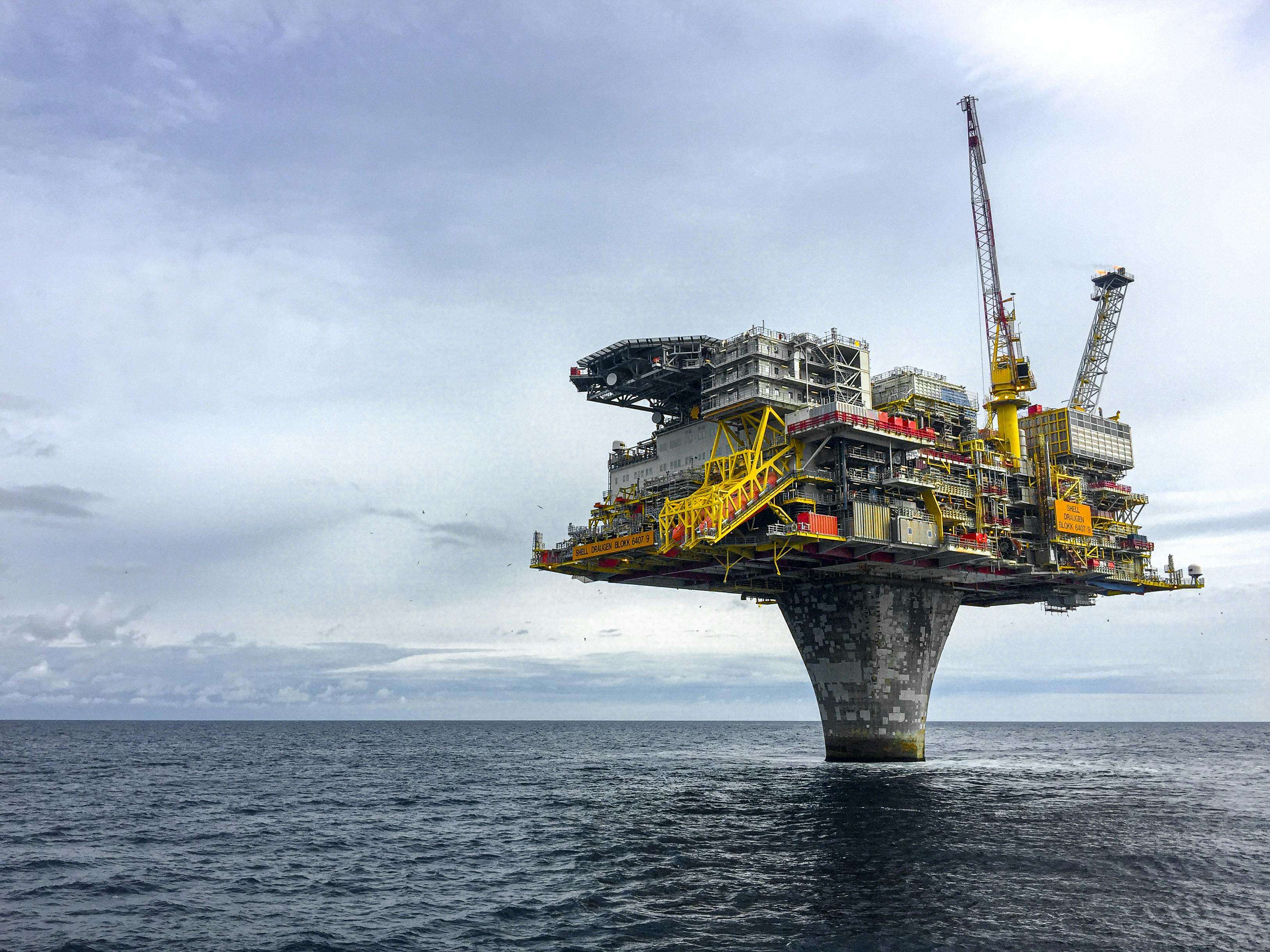
Port of Sunderland. The port handles bulk cargo, offshore energy support and marine fabrication. Quayside infrastructure, warehouse buildings and crane equipment require periodic maintenance that rope access delivers without disrupting port operations.
Rope Access vs Scaffolding in Sunderland
Sunderland’s industrial and waterfront environment creates specific advantages for rope access:
Manufacturing plant downtime. The AESC gigafactory and Nissan plant operate continuous or near-continuous production schedules. Erecting scaffold inside an operational production building requires partial shutdowns, isolation of overhead services and complex risk assessments. Rope access teams can work above the production line during planned maintenance windows without requiring full scaffold — reducing downtime from days to hours.
North Sea coastal exposure. Sunderland’s east-facing seafront takes the full force of North Sea weather. Scaffold on seafront buildings requires enhanced wind bracing, frequent inspection and is often unusable during winter storms. Rope access has no standing structure vulnerable to wind and wave action.
Regeneration programme pace. Riverside Sunderland is delivering new buildings on a rolling programme. Each completion brings a wave of snagging and defect work that requires fast mobilisation. Rope access teams can be on-site within days, while scaffold design and erection takes weeks — critical when developers face practical completion deadlines.
Stadium and arena access. Scaffold inside the Stadium of Light bowl would obstruct seating, hospitality areas and match-day operations. Roof steelwork and floodlight maintenance must be completed between events. Rope access teams rig from the roof structure directly, leaving the bowl floor clear.
Port operational areas. Quayside cranes and warehouse buildings cannot be surrounded by scaffold without disrupting cargo handling. Rope access works from the structures themselves, maintaining port throughput during maintenance periods.
Common Rope Access Projects in Sunderland
- Industrial facility maintenance — high-level inspection, cleaning, ductwork access and steelwork painting inside the AESC gigafactory, Nissan plant and other manufacturing buildings
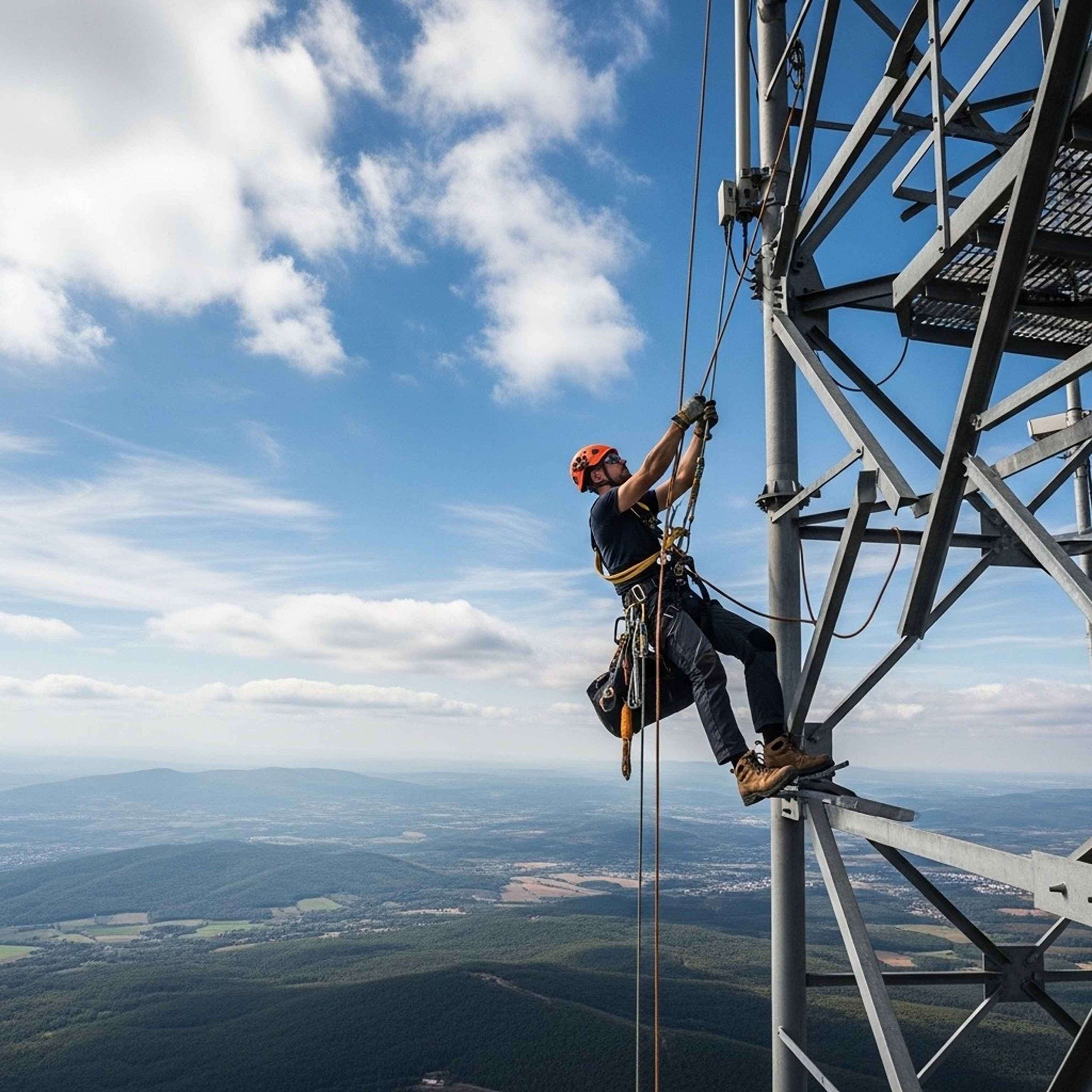
- Bridge painting and inspection — cyclical painting, structural surveys, bearing inspection and soffit access on Wearmouth Bridge and Queen Alexandra Bridge
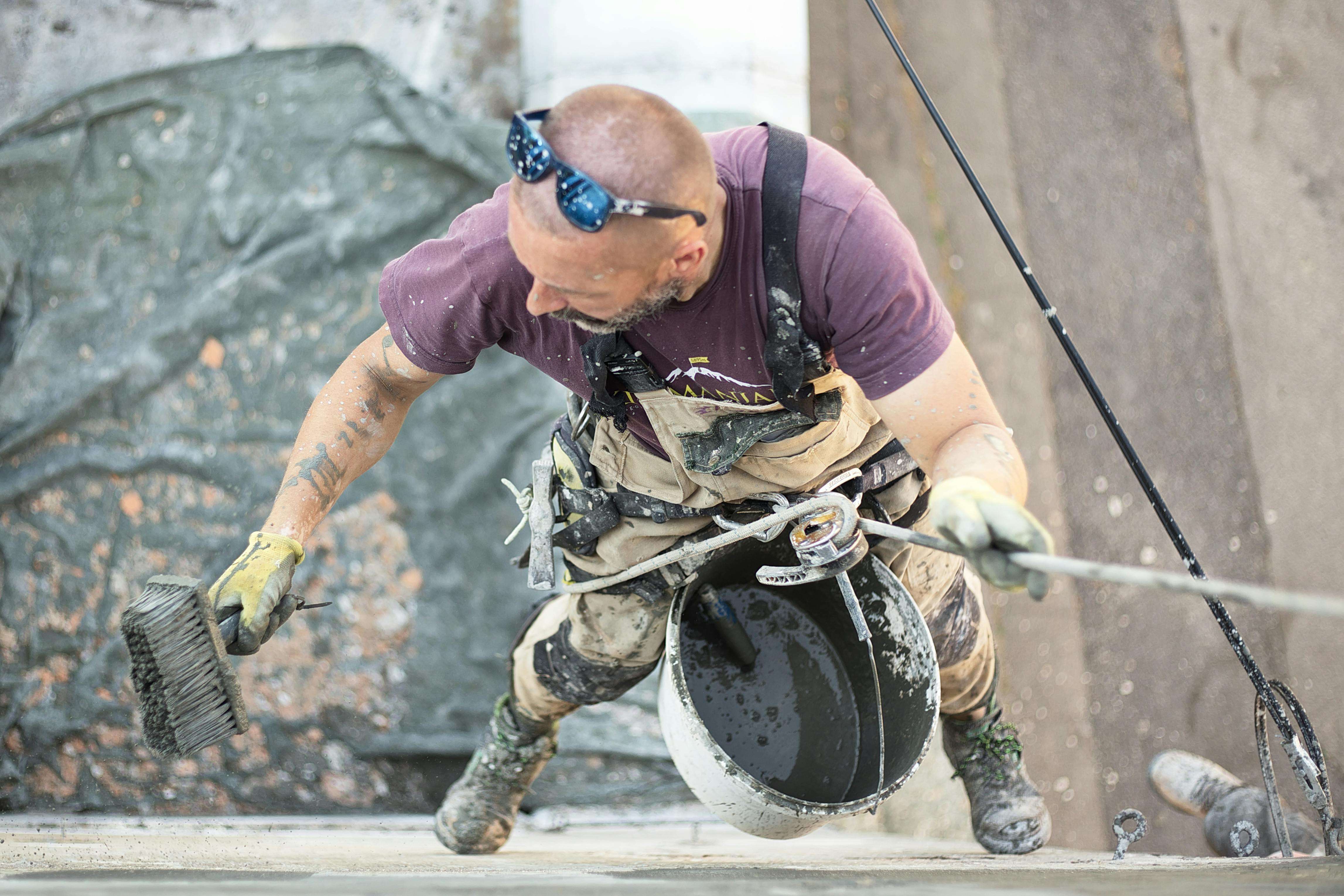
- Facade cleaning and repair — render repair, repointing and redecoration on Roker and Seaburn seafront terraces
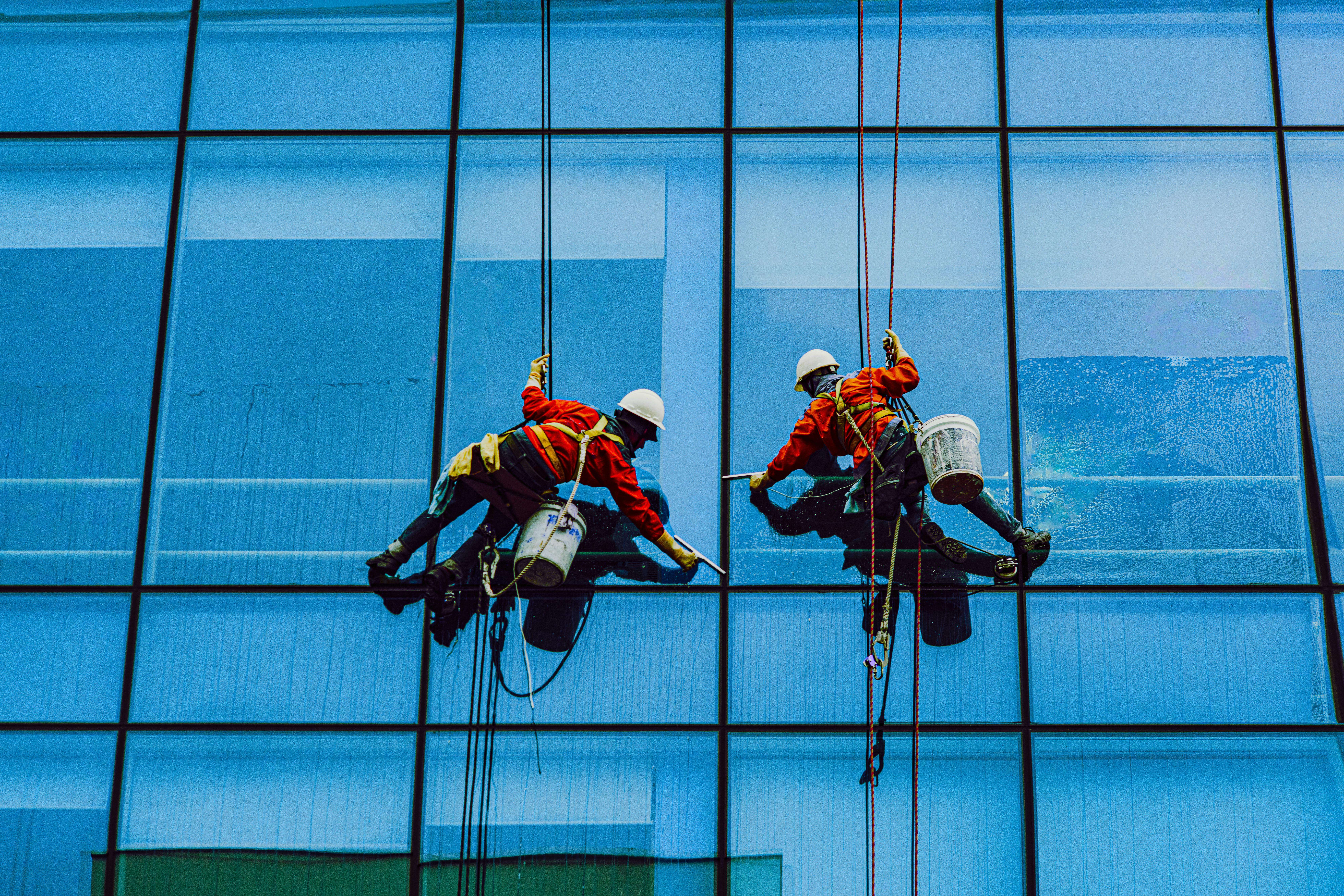
- Modern cladding maintenance — sealant renewal, panel replacement and curtain wall cleaning on Riverside Sunderland and city centre commercial buildings
- Stadium and leisure access — roof steelwork maintenance, floodlight servicing, cladding repair and high-level cleaning at the Stadium of Light
- Concrete repair — patch repair of spalling concrete on post-war housing blocks, car parks and civic buildings
- Port infrastructure — crane inspection, warehouse building maintenance and quayside structure repair at the Port of Sunderland
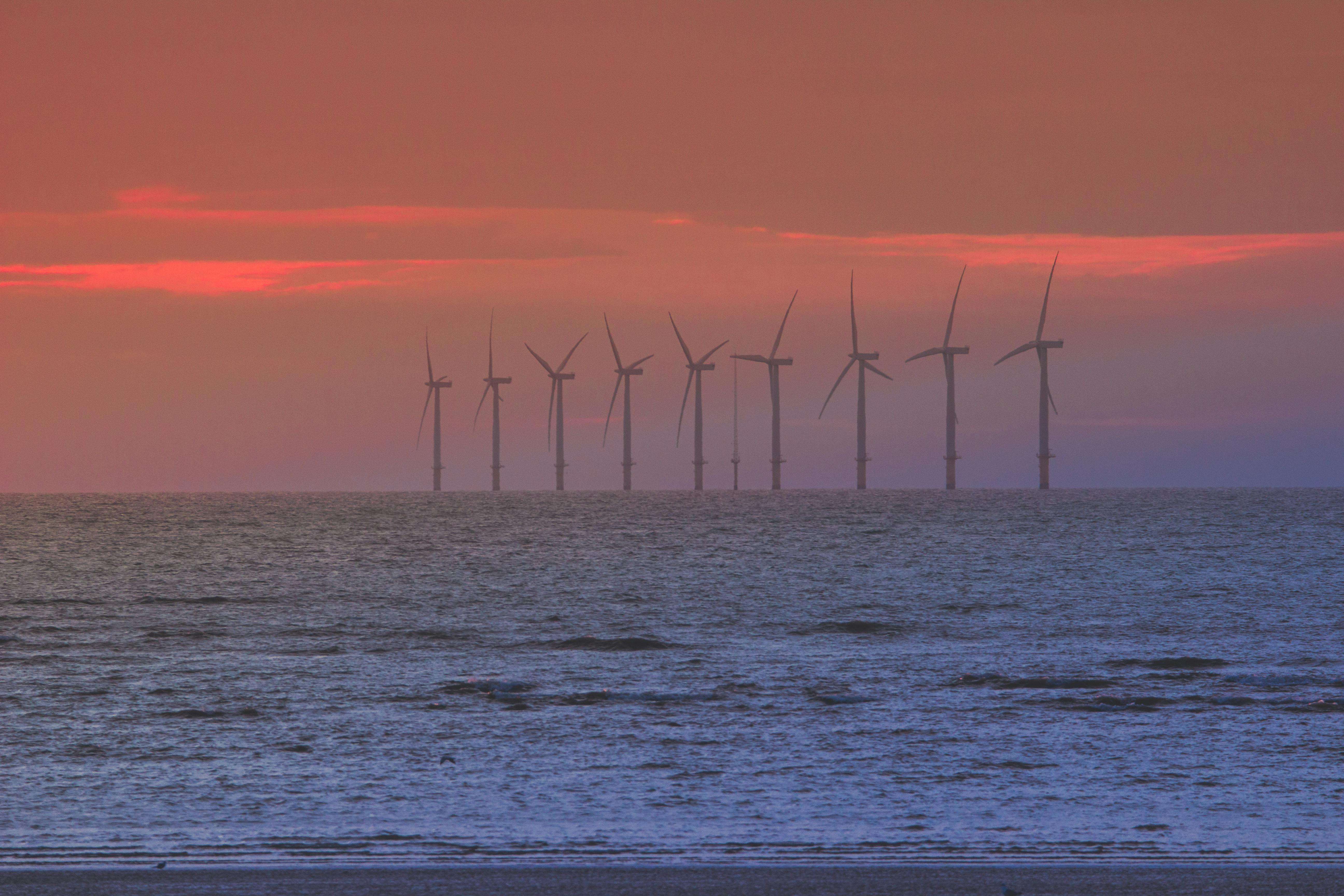
- Offshore wind support — blade inspection, leading edge repair and tower maintenance on North Sea wind farms, mobilising from the Sunderland and wider North East coast
Areas We Cover from Sunderland
Our rope access operators serve Sunderland, Washington, Houghton-le-Spring, Seaham, Hetton-le-Hole and Peterlee. Wider coverage extends across the North East to Newcastle, Gateshead, South Shields, Durham, Hartlepool, Middlesbrough and the wider Wearside and Teesside area, as well as offshore wind assets in the North Sea.