Where Rope Access Is Used in Southampton
Southampton’s economy is built around its port — the busiest cruise terminal in the UK and one of the largest container ports in northern Europe. This creates a rope access market with a heavy marine and industrial component, supplemented by growing urban requirements.
Cruise terminals and port buildings. Southampton operates five cruise terminals, handling over two million passengers annually. The terminal buildings, passenger walkways, embarkation gantries and associated infrastructure require regular facade maintenance, steelwork painting and roof repair. Terminal downtime must be minimised — ships arrive on fixed schedules, and terminal closures affect the entire cruise operation. Rope access allows maintenance between sailings without the multi-week commitment of scaffold erection and dismantle.
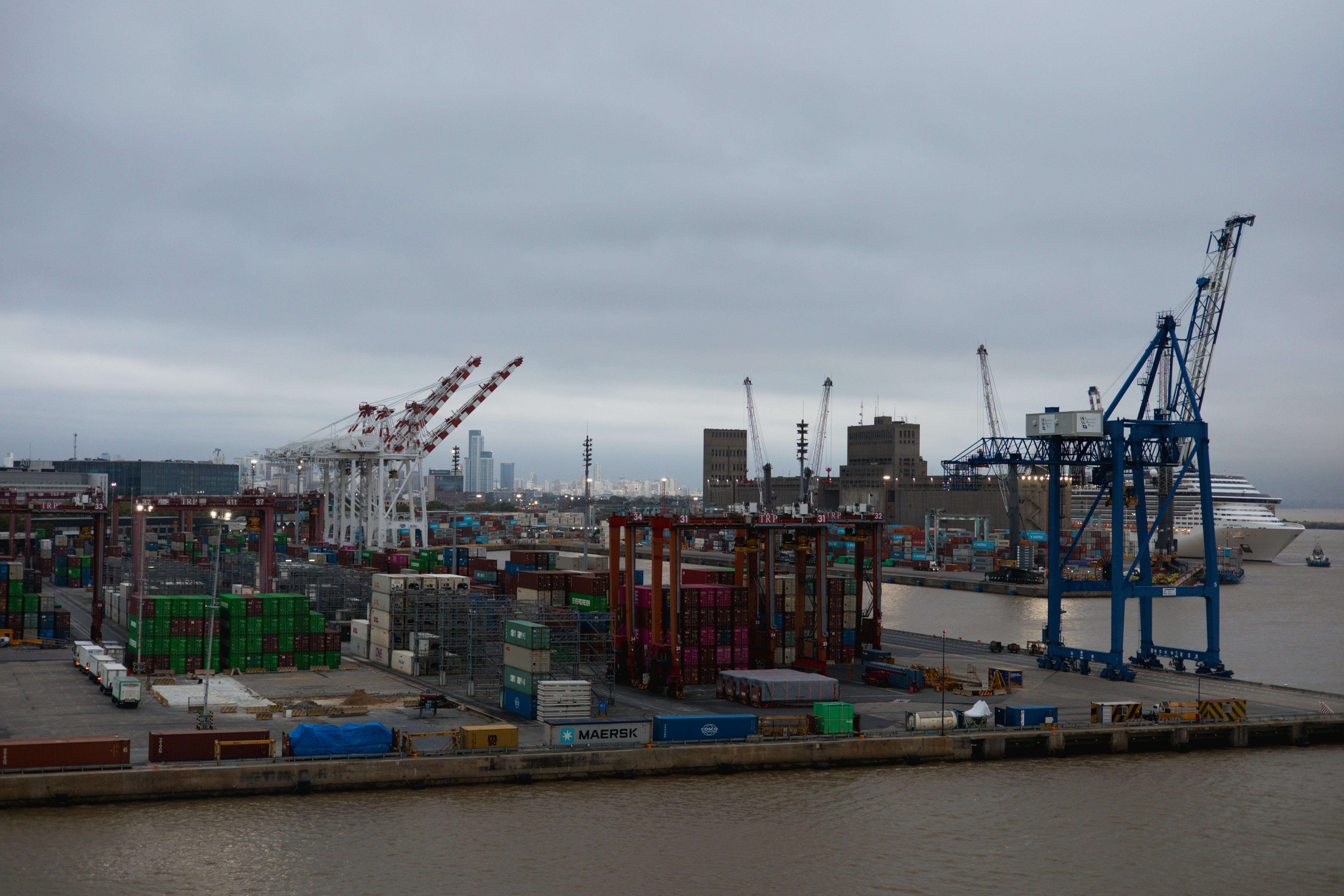
Container port and crane infrastructure. The ABP container terminal at Southampton handles some of the largest container vessels in the world. The ship-to-shore cranes, rail-mounted gantry cranes and stacking equipment require periodic inspection, structural assessment and protective coating renewal. Rope access is the default method for crane maintenance — scaffold on an operational crane is impractical, and the crane’s own geometry provides anchor points for rope access teams.
Medieval city walls and heritage buildings. Southampton’s medieval town walls are among the best preserved in England after York. The Bargate, stretches of the town wall and associated medieval merchant houses require conservation-grade repair — stone repointing, masonry consolidation and vegetation removal. The SeaCity Museum, Tudor House and God’s House Tower add further heritage access requirements. Rope access is the lowest-impact method for working on these scheduled monuments.
Itchen Bridge. The Itchen Bridge is a major road crossing requiring periodic inspection, painting and structural maintenance. Rope access is used for soffit inspection, bearing surveys and steelwork coating — work that would otherwise require lane closures and under-bridge inspection platforms.
University campuses. The University of Southampton (Highfield and Avenue campuses) and Solent University have extensive building estates. The University of Southampton’s engineering faculty buildings, the Hartley Library and student residences require cyclical facade maintenance, concrete repair and roof surveys. Rope access allows work during vacation periods without the prolonged disruption of scaffold.
WestQuay and city centre commercial. The WestQuay shopping centre and surrounding commercial buildings require high-level glazing cleaning, cladding maintenance and signage work. Ocean Village marina’s residential and leisure buildings have balconies, decorative metalwork and render facades exposed to marine air.
Rope Access vs Scaffolding in Southampton
Southampton’s port operations and city layout create specific advantages for rope access:
Port operational constraints. Active port areas cannot accommodate scaffold erection around quayside infrastructure. Crane rails, vehicle marshalling lanes and container stacking areas must remain operational. Rope access teams work from the structures themselves — crane booms, terminal roof steelwork, warehouse eaves — without obstructing port operations.
Cruise terminal turnaround windows. Cruise ships typically berth for 8–12 hours. Terminal maintenance must be completed between departures or during quieter winter weeks. Rope access teams can mobilise, complete a defined scope of work and demobilise within these tight windows — scaffold cannot.
Medieval wall conservation. The scheduled ancient monument status of the town walls means any intervention must be minimal-impact. Scaffold fixings into medieval masonry are generally unacceptable to Historic England. Rope access uses independent anchor systems that make no contact with the historic fabric.
Marine environment corrosion. Southampton’s waterfront buildings and port infrastructure are exposed to salt air, which accelerates corrosion on steel fixings and deterioration of render and coatings. This drives a faster maintenance cycle than inland areas. Rope access allows reactive repairs — addressing corrosion hot spots as they appear, rather than waiting for a full scaffold programme.
Dense city centre streets. The old town area around the Bargate, High Street and the medieval quarter has narrow streets and high pedestrian footfall. Scaffold blocks access and affects trade for adjacent shops and restaurants. Rope access requires no ground-level footprint beyond a small exclusion zone.
Common Rope Access Projects in Southampton
- Port crane maintenance — structural inspection, protective coating renewal, bolt torque checks and steelwork repair on ship-to-shore and gantry cranes
- Cruise terminal building access — facade cleaning, roof repair, steelwork painting and cladding maintenance on terminal buildings
- Heritage masonry repair — stone repointing, masonry consolidation and vegetation removal on the medieval town walls and Bargate
- Bridge inspection — soffit surveys, steelwork painting, bearing inspection and parapet repair on the Itchen Bridge
- Facade cleaning and restoration — both modern curtain wall systems and traditional brick, render and stone facades across the city centre
- Concrete repair — spalling concrete on post-war buildings, multi-storey car parks and university campus structures
- Marine structure maintenance — jetty repair, fender replacement access, pontoon infrastructure and marina building maintenance at Ocean Village
- Industrial painting — protective coating systems on warehouse steelwork, logistics facilities and waterfront industrial buildings
Areas We Cover from Southampton
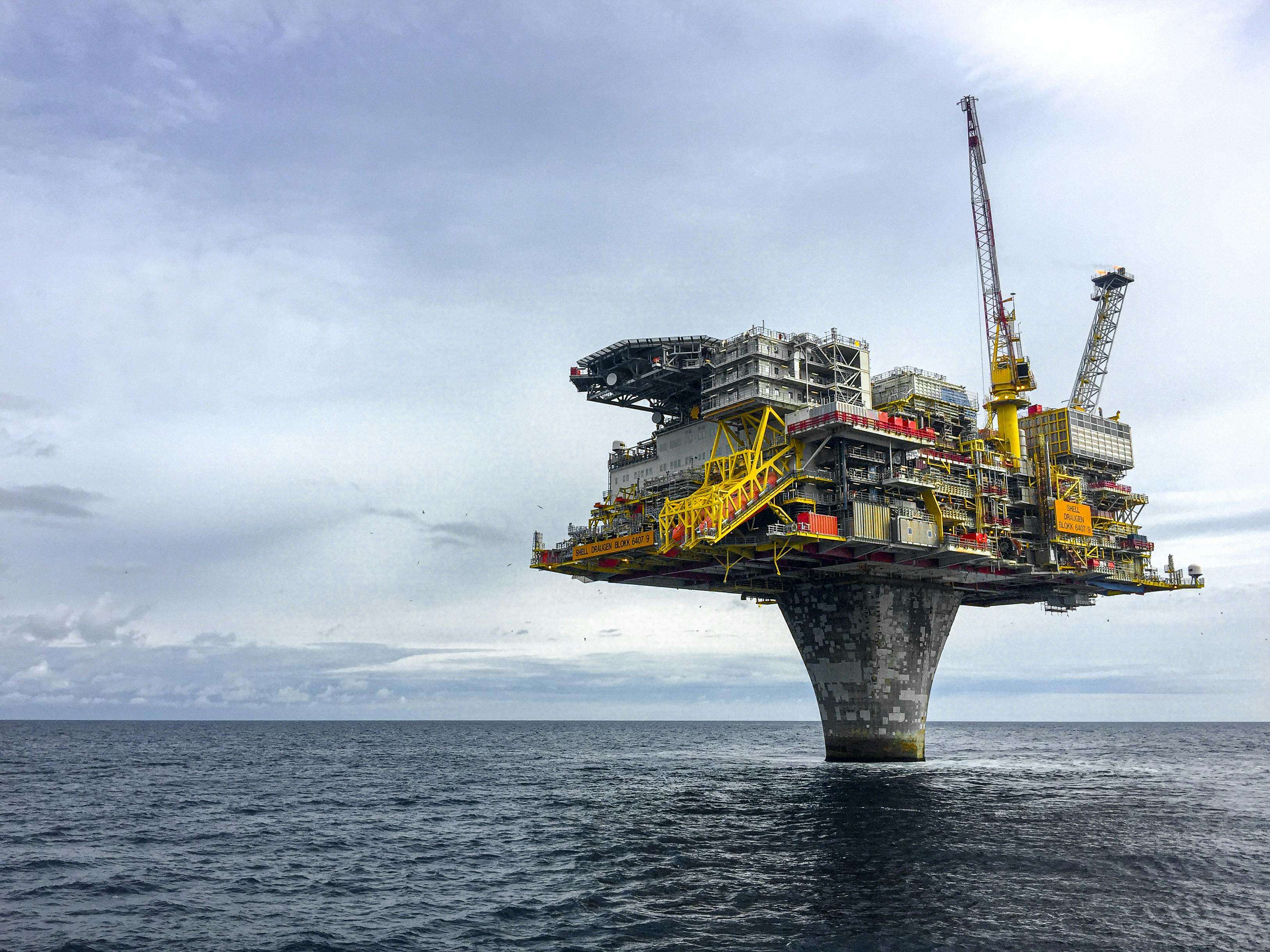
Our rope access operators serve Southampton, Eastleigh, Chandler’s Ford, Totton, Hedge End and Romsey. Wider coverage extends across Hampshire to Portsmouth, Winchester, Fareham, Gosport, Lymington, the New Forest and the wider Solent coast. We also support offshore and marine work mobilising from Southampton port, including access to Fawley refinery infrastructure.